
บทนำ
Flame-resistant workwear is an important part of personal protective equipment for people who work around open flames, sparks, heat, electrical hazards, or combustible materials. Unlike ordinary uniforms, these garments are designed to resist ignition, limit flame spread, and reduce continued burning after the ignition source is removed. This helps lower the risk of serious secondary burn injuries caused by clothing that continues to burn.
Choosing the right flame-resistant workwear requires more than selecting a durable jacket or coverall. Buyers should consider the working environment, fabric composition, garment construction, additional protective functions, comfort, and customization requirements. A welding workshop, an oil and gas facility, and an electrical utility may all need protective clothing, but the ideal fabric and garment design can be very different.
This guide explains what flame-resistant workwear is, the main types of flame-resistant fabrics, common application fields, important selection factors, available customization options, and how NINGBO TOPRISE supports bulk customized orders starting from 500 pieces.
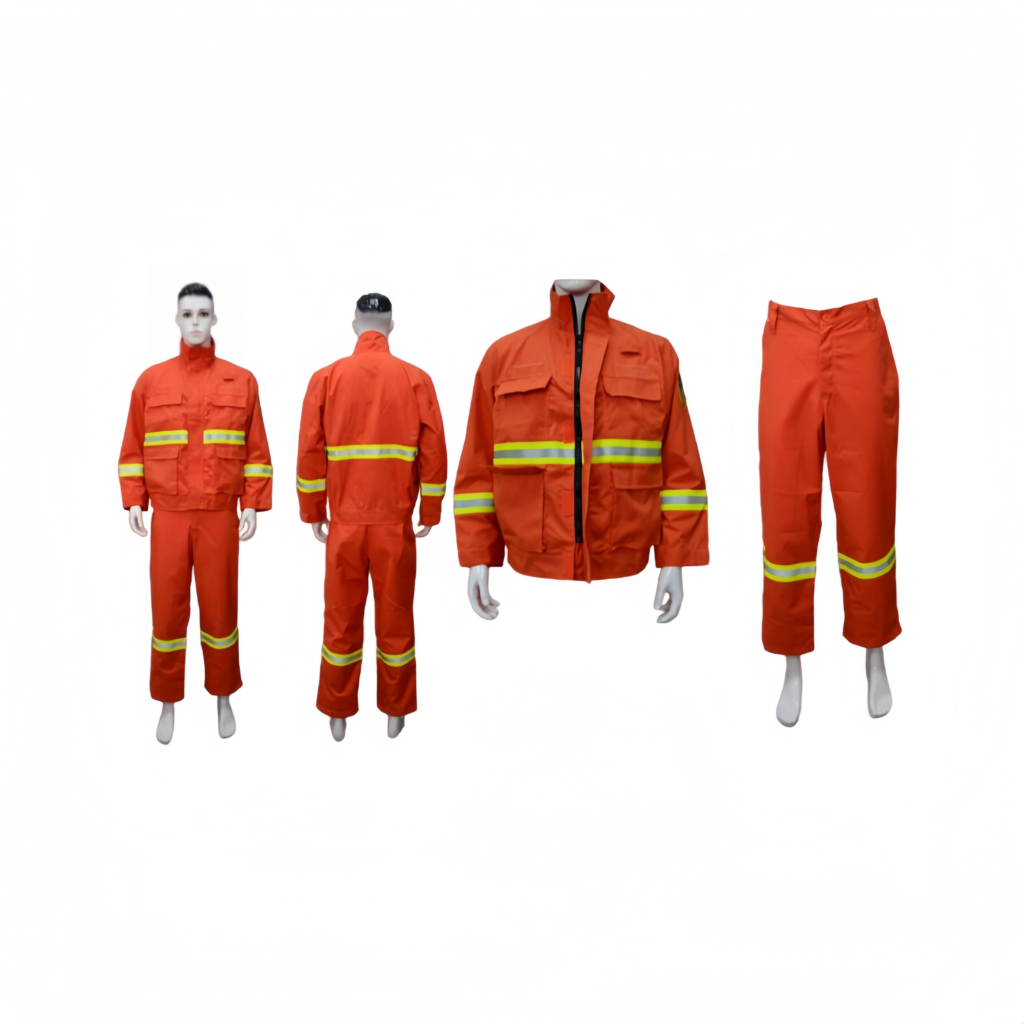
1. What Is Flame-Resistant Workwear?
Flame-resistant workwear refers to protective garments made from fabrics that are designed to resist ignition and slow the spread of flame. When properly selected for the hazard, the clothing can help reduce the duration and extent of garment burning after exposure to a flame or thermal event.
It is important to understand that flame-resistant clothing is not the same as “fireproof” clothing. No ordinary industrial garment can make a worker immune to fire or extreme heat. The purpose of flame-resistant workwear is to provide an added level of protection by helping the fabric self-extinguish or limit flame propagation, depending on the material and treatment used.
Common garment types include coveralls, jackets, trousers, shirts, bib pants, and other industrial uniforms. Some products are designed with additional functions such as anti-static performance, ripstop construction, antibacterial finishes, reflective tape, or reinforced high-wear areas.
The protective performance of a finished garment depends on several factors, including the fiber type, fabric structure, fabric weight, finishing process, garment design, and the specific hazards in the workplace. For this reason, the final specification should always be matched to the intended application rather than selected only by appearance or price.
2. What Are the Main Types of Flame-Resistant Fabrics?
The performance of flame-resistant workwear starts with the fabric. Different fibers and fabric constructions provide different combinations of heat resistance, strength, comfort, durability, and cost. The following are common fabric categories that can be considered for customized protective garments.
Aramid Blended Flame-Resistant Fabric
Aramid blended fabrics combine aramid fibers with other suitable fibers to balance flame resistance, mechanical strength, comfort, and cost. They are often selected for industrial environments where buyers require more durable protection than conventional workwear can provide.
Aramid Flame-Resistant Ripstop Anti-Static Fabric
This fabric combines flame resistance with ripstop construction and anti-static properties. The ripstop structure helps improve resistance to tearing, while anti-static functionality can be useful in workplaces where static discharge is a concern.
Aramid Flame-Resistant Antibacterial Anti-Static Fabric
This multifunctional option combines flame-resistant performance with antibacterial and anti-static properties. It may be considered for uniforms worn for long shifts or in applications where hygiene, comfort, and static control are all relevant.
Para-Aramid Flame-Resistant Ripstop Fabric
Para-aramid fibers are known for high tensile strength and good heat resistance. Para-aramid ripstop fabrics are suitable for demanding applications where stronger resistance to tearing and mechanical stress is required.
Flame-Resistant Satin Anti-Static Fabric
This type of fabric combines flame-resistant and anti-static properties with a satin weave construction. It can be used for protective uniforms that require a relatively smooth fabric surface together with functional protection.
100% Cotton Flame-Resistant Camouflage Fabric
This fabric uses cotton as the base material and adds flame-resistant performance through a suitable treatment process. The camouflage appearance makes it useful for special uniforms or applications that require a specific visual design.
100% Cotton Flame-Resistant Twill Fabric
Cotton flame-resistant twill is a practical option for many industrial uniforms. Twill construction offers a familiar appearance and good durability, while cotton provides a comfortable hand feel and breathability for daily wear.
100% Cotton Red Flame-Resistant Satin Fabric
This fabric combines cotton comfort, flame-resistant performance, a satin weave, and a bright red appearance. It can be selected when a customer requires a specific corporate color or a highly recognizable uniform design.
100% Cotton Flame-Resistant Canvas Fabric
Flame-resistant canvas is generally heavier and more robust than lighter workwear fabrics. It is often considered for garments that need increased abrasion resistance, structural durability, or protection in physically demanding work environments.
Aramid Twill Flame-Resistant Anti-Static Fabric
Aramid twill fabric combines the durability of a twill weave with flame-resistant and anti-static functions. It is suitable for professional protective clothing used in industrial environments where both thermal protection and static control are important.
When specifying flame-resistant workwear, it is useful to separate three different concepts: fiber composition, fabric construction, and protective function. For example, “aramid” describes the fiber, “twill” describes the weave, and “flame-resistant anti-static” describes the required performance. Understanding this structure makes it easier to compare fabrics and communicate accurate customization requirements.
3. Where Is Flame-Resistant Workwear Commonly Used?
Flame-resistant workwear is used across industries where workers may be exposed to flames, sparks, heat, arc-related thermal hazards, or combustible materials. The required level of protection can vary significantly by industry and job task.
Oil and Gas
Oilfields, refineries, natural gas processing facilities, storage operations, and fuel transportation may involve flammable substances. In relevant work areas, flame-resistant workwear with anti-static properties may be selected to address both thermal and static-related risks.
Petrochemical and Chemical Processing
Chemical plants may involve flammable liquids, gases, high-temperature equipment, and other process hazards. Protective uniforms for these environments often prioritize flame resistance together with anti-static performance and durable construction.
Electrical and Power Utilities
Electrical workers may face arc flash and other thermal hazards. In these situations, general flame-resistant clothing may not be sufficient by itself. The garment should be selected according to the actual electrical hazard, required protection level, and applicable workplace safety requirements.
Welding and Metalworking
Welding, cutting, grinding, and related metalworking processes can generate sparks, hot particles, and localized heat. Depending on the task, cotton flame-resistant fabrics, aramid fabrics, or heavier durable constructions may be suitable choices.
Steel, Foundry, and Metallurgical Operations
Steelmaking, casting, foundry work, and other metallurgical processes can expose workers to high temperatures and hot material. Garments for these environments often require a combination of flame resistance, heat resistance, durability, and appropriate coverage.
การทำเหมือง
Certain mining operations may involve combustible dust, fire hazards, or static electricity concerns. Where these risks are present, flame-resistant workwear with additional anti-static performance may be considered.
Fire and Emergency Services
Firefighters and emergency responders require specialized protective clothing designed for their specific hazards. Professional firefighting garments are not the same as ordinary industrial flame-resistant workwear and should be selected under the appropriate professional requirements.
Aerospace, Defense, and Special Applications
High-performance aramid fabrics may also be used in aerospace, defense, and other specialized fields that demand a combination of flame resistance, strength, tear resistance, lower weight, and long-term durability.
4. How to Choose the Right Flame-Resistant Workwear
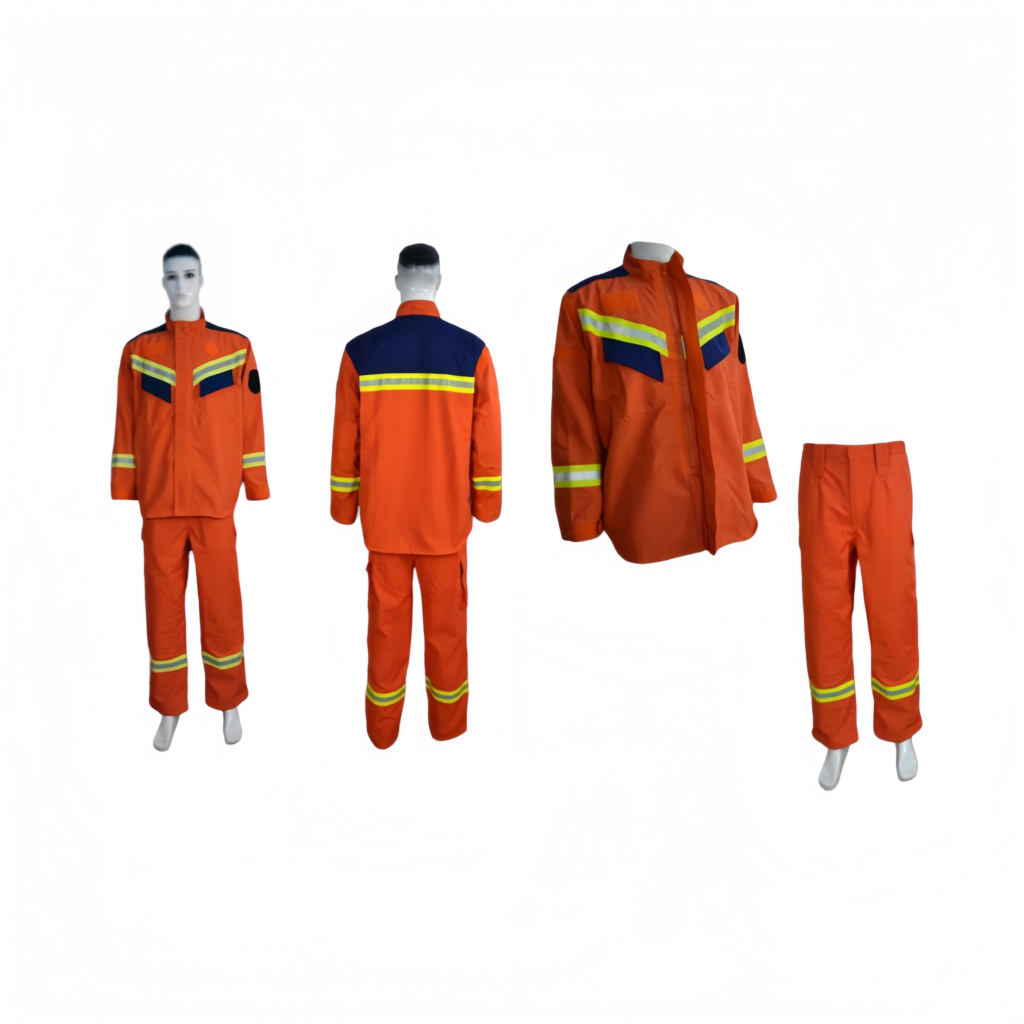
The correct flame-resistant workwear should be selected according to the actual hazard rather than by using one fabric for every workplace. A practical selection process starts with identifying the main exposure risks and then matching the fabric and garment features to those risks.
For general industrial environments, 100% cotton flame-resistant twill or canvas may provide a useful balance of comfort, durability, and cost. For more demanding applications, aramid or para-aramid fabrics may be preferred where stronger heat resistance and mechanical performance are required.
If static electricity is a concern, anti-static functionality should be included in the fabric specification. If the garment will be exposed to frequent abrasion, pulling, or mechanical stress, ripstop or heavier canvas constructions may be more appropriate. For long shifts, buyers may also consider garment weight, breathability, fit, movement, and ease of maintenance.
Garment design is equally important. Pocket placement, closure systems, cuffs, reflective tape, reinforcements, and overall fit should support the worker’s real tasks. The selected flame-resistant workwear should provide protection without creating unnecessary restrictions on movement or daily usability.
Before placing a bulk order, buyers should confirm the required fabric performance, garment specifications, size range, color, logo method, and any applicable testing or compliance requirements for the target market or industry.
5. What Customization Options Are Available?
Customized flame-resistant workwear allows companies to combine protective performance with practical job requirements and a consistent corporate image. Instead of using a standard garment for every employee, customers can develop specifications that better match the intended working environment.
Common customization options include:
• Fabric type and fiber composition
• Flame-resistant performance
• Anti-static functionality
• Ripstop construction
• Antibacterial function
• Fabric weight
• Garment color
• Coverall, jacket, trousers, shirt, or other styles
• Pocket quantity and placement
• Reflective tape
• Zippers and snap closures
• Velcro closures
• Adjustable cuffs and waist details
• Reinforced high-wear areas
• Embroidery
• Printed company logos
• Size specifications
• Labels and packaging requirements
A well-planned customization project should start with the working environment. For example, an oil and gas customer may prioritize flame-resistant and anti-static properties, while a welding customer may focus more on flame resistance, durability, and protection from sparks. A company that needs a consistent brand image may also specify corporate colors, logo placement, and uniform design details.
By combining fabric selection with garment design, customized flame-resistant workwear can better support both worker protection and the company’s operational needs.
6. How to Customize Flame-Resistant Workwear with NINGBO TOPRISE
NINGBO TOPRISE supports customized flame-resistant workwear for customers in different industrial sectors. The service can cover fabric selection, garment style, color, functional details, logo customization, and bulk production.
A typical customization process may include the following steps:
1. Requirement discussion
2. Working environment and hazard review
3. Fabric and function selection
4. Garment style and detail selection
5. Color and branding confirmation
6. Logo customization
7. Sample confirmation
8. Bulk production
9. Quality inspection
10. Packing and delivery
Customers can select from different fabric options, including aramid blends, para-aramid fabrics, cotton flame-resistant fabrics, ripstop constructions, anti-static fabrics, and multifunctional materials. Garment details can then be adjusted according to practical wearing requirements and corporate branding.
NINGBO TOPRISE supports bulk customization of flame-resistant workwear with a minimum order quantity of 500 pieces. This makes the service suitable for companies, industrial projects, distributors, uniform suppliers, and other customers that require consistent bulk production.
To improve communication before sampling, customers can provide the intended industry, working environment, preferred fabric, garment style, color, size breakdown, logo artwork, and expected order quantity. Clear specifications help shorten the development process and reduce unnecessary revisions.
7. Why Customized Flame-Resistant Workwear Matters
Different industries face different hazards, so protective clothing should not be treated as a one-size-fits-all product. Customized flame-resistant workwear gives buyers greater control over the relationship between protection, comfort, durability, and branding.
A welding company may need durable garments that resist sparks and daily abrasion. An oil and gas company may require flame-resistant and anti-static fabrics. A utility company may need garments selected around electrical hazards. A customer working in a demanding mechanical environment may prefer aramid ripstop fabrics with higher strength.
Customization also helps standardize employee appearance across departments or job roles. Companies can specify consistent colors, logo placement, reflective elements, pocket configurations, and garment styles while maintaining the required protective functions.
For procurement teams, a clear customized specification can also make repeat orders easier. Once the fabric, style, size range, branding, and construction details are confirmed, future production can follow the same approved reference, subject to material availability and any updated requirements.
The key is to define the real workplace need first. Protective performance should remain the priority, while appearance and branding should be integrated into the design without compromising the intended function of the garment.
สรุป
Flame-resistant workwear is an essential protective solution for industries where employees may be exposed to flames, sparks, heat, static-related risks, or other thermal hazards. Selecting the right garment requires careful consideration of the work environment, fabric composition, protective functions, comfort, and garment construction.
From 100% cotton flame-resistant twill and canvas to aramid, para-aramid, anti-static, ripstop, and multifunctional fabrics, different materials provide different combinations of protection, strength, comfort, and durability. The most suitable option depends on the specific hazards and performance requirements of the job.
หนิงโป ท็อปไรส์ supports customized flame-resistant workwear for bulk orders starting from 500 pieces. Customers can customize fabrics, colors, garment styles, pockets, reflective tape, closures, logos, size specifications, and other details according to their industry and branding needs.
For companies sourcing protective uniforms in bulk, a well-defined specification helps create flame-resistant workwear that is more closely aligned with the intended application. By matching the fabric, garment design, and additional functions to the actual working environment, buyers can develop a more practical and professional protective clothing solution.


 Thai
Thai  English
  Russian
  Arabic
  Portuguese
  Japanese
  German
  Spanish
  Afrikaans
  Greek
Greek  Italian
  French