
Introdução: Navegando no mercado global de pérgulas solares
Navegar pelo complexo cenário de fornecimento de pérgulas solares pode ser uma tarefa assustadora para compradores internacionais B2B, especialmente em regiões como África, América do Sul, Oriente Médio e Europa. À medida que cresce a demanda por soluções sustentáveis para ambientes externos, torna-se fundamental encontrar a pérgula solar certa que atenda aos requisitos estéticos, funcionais e regulatórios. Este guia serve como um recurso essencial, oferecendo uma visão geral abrangente das pérgulas solares, incluindo vários tipos, aplicações e as últimas inovações do mercado.
Desde a compreensão da integridade estrutural dos kits de pérgola até a avaliação de sua compatibilidade com sistemas de painéis solares, este guia capacita os compradores a tomar decisões de compra informadas. Ele se aprofunda em considerações importantes, como a verificação de fornecedores, estratégias de preços e requisitos de instalação, garantindo que os compradores estejam equipados com o conhecimento necessário para navegar com eficiência no mercado global.
Ao abordar desafios comuns, como a aquisição de materiais de alta qualidade e a compreensão das regulamentações regionais, este guia tem como objetivo simplificar o processo de aquisição de pérgulas solares. Se você é um empreiteiro que busca expandir suas ofertas ou uma empresa que procura melhorar os espaços ao ar livre, este recurso fornece insights práticos adaptados para atender às necessidades de diversos mercados, incluindo os da Alemanha e da Nigéria. Aproveite a oportunidade de elevar seus projetos com pérgulas solares que combinam funcionalidade com soluções sustentáveis para a vida.
Entendendo os tipos e as variações de pérgulas solares
| Nome do tipo | Principais características distintivas | Aplicativos B2B primários | Prós e contras para compradores |
|---|---|---|---|
| Pérgola solar autônoma | Estrutura independente, opções de design versáteis, tamanhos personalizáveis | Áreas para refeições ao ar livre, espaços para eventos, jardins residenciais | Prós: Posicionamento flexível; Contras: Requer mais espaço e trabalho de fundação. |
| Pérgola solar anexa | Diretamente conectado a um edifício, geralmente fornece sombra adicional | Prédios comerciais, pátios residenciais | Prós: Maximiza o espaço; Contras: Pode exigir modificações estruturais. |
| Pergola de garagem solar | Projetado para abrigar veículos e gerar energia solar | Estacionamentos, entradas de garagem residenciais | Prós: Funcionalidade dupla; Contras: Custos de instalação mais altos. |
| Pérgola solar multifuncional | Combina a sombra com recursos como iluminação ou assentos | Restaurantes, parques, espaços públicos | Prós: Aprimora a experiência do usuário; Contras: Projeto e instalação mais complexos. |
| Kit de pérgola solar DIY | Kits pré-fabricados para facilitar a montagem pelos usuários finais | Proprietários de casas, pequenas empresas | Prós: Econômico; Contras: Pode não ter suporte profissional para instalação. |
Quais são as características das pérgulas solares autônomas?
As pérgulas solares autônomas são independentes e não estão presas a nenhuma estrutura. Elas são altamente versáteis e podem ser personalizadas em tamanho e design, o que as torna adequadas para várias aplicações externas, desde jardins residenciais até espaços para eventos. Os compradores B2B devem considerar o espaço disponível para instalação e a necessidade de uma base sólida, pois essas estruturas normalmente exigem mais área de terreno em comparação com as opções fixas. Sua independência permite a integração criativa de paisagismo e design.
Como as pérgulas solares anexas se diferenciam dos outros tipos?
As pérgulas solares anexas são projetadas para se conectarem diretamente a um edifício, oferecendo sombra adicional e apelo estético. São ideais para edifícios comerciais e pátios residenciais onde a maximização do espaço é essencial. Os compradores devem estar cientes de que, embora economizem espaço no solo, essas instalações podem exigir modificações estruturais no edifício. As considerações incluem códigos de construção locais e a possível necessidade de avaliações de engenharia para garantir a estabilidade.
O que torna as pérgulas solares para garagem um investimento inteligente?
As pérgulas solares para garagem são projetadas especificamente para fornecer abrigo para veículos e, ao mesmo tempo, gerar energia solar. Essa dupla funcionalidade é particularmente atraente para aplicações B2B em estacionamentos e entradas de garagem residenciais. Os compradores devem avaliar os custos iniciais de instalação, pois eles podem ser mais altos do que os das pérgulas padrão devido à necessidade de estruturas de suporte robustas. Entretanto, a economia de energia a longo prazo e o valor agregado às propriedades podem justificar o investimento.

Imagem ilustrativa relacionada a pérgulas solares
Por que escolher pérgulas solares multifuncionais para espaços comerciais?
As pérgulas solares multifuncionais integram recursos como iluminação e assentos em seu design, melhorando a experiência do usuário em ambientes comerciais, como restaurantes e parques. Essas estruturas oferecem não apenas sombra, mas também um espaço social para os clientes. Os compradores B2B devem levar em conta a complexidade do projeto e da instalação, pois essas pérgulas podem exigir empreiteiras especializadas para garantir que todos os recursos sejam efetivamente integrados.
Quais são as vantagens dos kits de pérgola solar DIY?
Os kits de pérgula solar DIY (faça você mesmo) oferecem uma solução econômica para proprietários de residências e pequenas empresas que desejam adicionar recursos solares sem a despesa de instalação profissional. Esses kits pré-fabricados incluem todos os materiais e instruções necessários, tornando a montagem simples. Entretanto, os compradores devem ponderar a possível falta de suporte profissional em relação às suas próprias habilidades e recursos para a instalação, pois uma montagem bem-sucedida é crucial para o desempenho e a durabilidade.
Principais aplicações industriais de pérgulas solares
| Indústria/Setor | Aplicação específica de pérgulas solares | Valor/benefício para a empresa | Principais considerações de fornecimento para este aplicativo |
|---|---|---|---|
| Hospitalidade e turismo | Áreas de refeições ao ar livre para restaurantes e cafeterias | Experiência aprimorada do cliente, aumento do tráfego de pedestres, uso sustentável de energia | Durabilidade contra intempéries, apelo estético, conformidade com as regulamentações locais |
| Agricultura | Estruturas de sombra alimentadas por energia solar para gado | Melhoria do bem-estar animal, redução dos custos de energia para operações agrícolas | Resistência estrutural, compatibilidade com a tecnologia solar, adaptação ao clima local |
| Espaços comerciais e de varejo | Estacionamentos com cobertura solar para centros de varejo | Atrai clientes, fornece estações de recarga, reduz o efeito de ilha de calor | Tamanho e capacidade de carga, integração estética com a marca, leis de zoneamento locais |
| Desenvolvimento residencial | Pérgulas solares em comunidades residenciais | Aumenta o valor da propriedade, promove a sustentabilidade e melhora os espaços de convivência ao ar livre | Opções de personalização, conformidade com códigos de construção, facilidade de instalação |
| Espaços públicos e municipais | Soluções de sombra e energia solar em parques | Proporciona conforto ao público, promove a energia renovável e reduz os custos operacionais | Requisitos de manutenção, envolvimento da comunidade, conformidade com os padrões de segurança |
Como as pérgulas solares podem melhorar os locais de hospitalidade e turismo?
No setor de hotelaria e turismo, as pérgulas solares são cada vez mais utilizadas para criar áreas de refeições ao ar livre convidativas para restaurantes e cafés. Essas estruturas não apenas fornecem sombra, mas também integram soluções de energia solar, permitindo que os estabelecimentos reduzam seus custos com serviços públicos. Ao oferecer uma experiência confortável ao ar livre, as empresas podem atrair mais clientes, especialmente em regiões ensolaradas. Os compradores desse setor devem considerar a durabilidade dos materiais para resistir às condições climáticas locais e garantir a conformidade com as normas estéticas que melhoram o apelo do local.
Qual é o papel das pérgulas solares na agricultura?
Na agricultura, as pérgulas solares servem como estruturas de sombra eficazes para o gado, contribuindo para melhorar o bem-estar dos animais ao protegê-los de condições climáticas extremas. Além disso, essas instalações podem ser equipadas com painéis solares para alimentar as operações agrícolas, levando a reduções significativas nos custos de energia. Para os compradores internacionais, especialmente em regiões como a África e a América do Sul, é fundamental avaliar a integridade estrutural das pérgulas para suportar os desafios ambientais locais, bem como a compatibilidade da tecnologia solar com a infraestrutura agrícola existente.
Como as pérgulas solares são usadas em espaços comerciais e de varejo?
Os centros de varejo estão aproveitando as pérgulas solares para criar estacionamentos cobertos, melhorando a experiência do cliente e promovendo a sustentabilidade. Essas estruturas podem acomodar estações de recarga de veículos elétricos, atraindo consumidores preocupados com o meio ambiente. Ao adquirir pérgulas solares para aplicações comerciais, as empresas devem se concentrar no tamanho, na capacidade de carga e na integração estética com sua marca. Entender as leis de zoneamento locais também é essencial para garantir a conformidade e evitar atrasos dispendiosos na instalação.
Por que as pérgulas solares são valiosas para empreendimentos residenciais?
Em empreendimentos residenciais, as pérgulas solares agregam um valor significativo às propriedades, aprimorando os espaços de convivência ao ar livre. Elas fornecem sombra e podem ser equipadas com painéis solares para alimentar a iluminação externa ou eletrodomésticos, promovendo um estilo de vida sustentável. Os compradores desse setor devem considerar opções de personalização que se ajustem ao estilo arquitetônico da comunidade e garantir a conformidade com os códigos de construção locais para um processo de instalação perfeito. O apelo das pérgulas solares pode levar ao aumento do valor das propriedades, o que as torna um investimento inteligente para os desenvolvedores.
Como os espaços públicos e municipais se beneficiam das pérgulas solares?
Os municípios estão adotando pérgulas solares em parques públicos para fornecer sombra e, ao mesmo tempo, promover iniciativas de energia renovável. Essas estruturas aumentam o conforto do público e podem reduzir significativamente os custos operacionais associados à manutenção do parque. Para a aquisição, os municípios devem avaliar os requisitos de manutenção e garantir que os projetos atendam aos padrões de segurança. O envolvimento da comunidade durante a fase de planejamento também pode promover o apoio a esses projetos sustentáveis, criando um senso de propriedade e orgulho entre os residentes.

Imagem ilustrativa relacionada a pérgulas solares
3 pontos problemáticos comuns dos usuários para "pérgulas solares" e suas soluções
Cenário 1: Complexidade de instalação de pérgulas solares
O problema: Muitos compradores B2B, especialmente empreiteiros e distribuidores, encontram desafios significativos durante o processo de instalação de pérgulas solares. Essas estruturas geralmente exigem engenharia precisa e compreensão dos códigos de construção locais, especialmente em regiões com condições climáticas diversas, como a África e a Europa. A falta de instruções de instalação claras e abrangentes pode levar a atrasos, aumento dos custos de mão de obra e até mesmo falhas estruturais se não forem executadas corretamente. Além disso, os compradores podem ter dificuldades para obter os componentes certos que se alinham às suas necessidades específicas, o que pode levar a possíveis atrasos no projeto.
A solução: Para reduzir as complexidades de instalação, os compradores B2B devem priorizar a aquisição de kits de pérgola solar que venham com instruções detalhadas de instalação passo a passo e desenhos de engenharia adaptados aos códigos de construção locais. Empresas como a Pergola Depot fornecem desenhos de engenharia padrão incluídos em seus kits, o que pode ajudar os compradores a garantir a conformidade com as regulamentações locais. Além disso, os compradores devem considerar a possibilidade de se envolver com fabricantes que ofereçam suporte técnico personalizado e consultas para ajudar no processo de instalação. Ao investir em kits de alta qualidade com componentes pré-perfurados e entalhados, os compradores podem simplificar o processo de instalação, reduzindo o tempo de trabalho e minimizando os erros.
Cenário 2: incerteza na integração solar
O problema: Os compradores B2B geralmente enfrentam incertezas com relação à integração de painéis solares com pérgulas. Isso é especialmente pertinente para empreiteiros que desejam oferecer pérgulas solares como um serviço de valor agregado para seus clientes. O desafio está em garantir que a estrutura da pérgula possa suportar adequadamente o peso e a configuração dos painéis solares e, ao mesmo tempo, manter o apelo estético. Em regiões com eficiência solar variável, os compradores também têm dificuldade para determinar o layout ideal e a orientação do painel para maximizar a produção de energia.
A solução: Para resolver essas preocupações, é essencial que os compradores selecionem kits de pérgula solar que sejam especificamente projetados para suportar instalações de painéis solares. Por exemplo, os compradores devem procurar kits com placas de apoio incorporadas que forneçam o suporte necessário para os racks solares. Além disso, a colaboração com especialistas em energia solar durante a fase de planejamento pode ajudar a determinar as melhores configurações e orientações de painéis solares com base nas condições climáticas locais. Ao integrar a consultoria de especialistas e aproveitar os projetos de engenharia, os compradores podem garantir que a pérgula solar não apenas tenha uma aparência atraente, mas também funcione de forma ideal na geração de energia.
Cenário 3: gerenciamento de custos e preocupações com o ROI
O problema: Os compradores B2B muitas vezes se deparam com os custos iniciais associados às instalações de pérgulas solares, o que pode ser uma barreira significativa para a entrada de muitas empresas. O investimento inicial em materiais de alta qualidade, avaliações de engenharia e mão de obra pode ser assustador, especialmente para empresas que operam em regiões com acesso limitado a opções de financiamento. Além disso, os compradores podem achar difícil comunicar os benefícios do retorno sobre o investimento (ROI) de longo prazo das pérgulas solares às partes interessadas, o que leva à relutância em realizar esses projetos.
A solução: Para gerenciar efetivamente os custos e destacar o ROI, os compradores B2B devem realizar uma análise completa de custo-benefício antes de se comprometerem com uma compra. Essa análise deve incluir possíveis economias de energia, incentivos fiscais e aumento do valor da propriedade. Os compradores também podem explorar opções de financiamento, como empréstimos solares ou programas de leasing, que permitem custos iniciais mais baixos. Além disso, o envolvimento com fabricantes que oferecem programas de desconto para empreiteiros pode reduzir o custo dos kits de pérgula solar. Ao aproveitar essas estratégias financeiras e destacar a economia de longo prazo associada à energia solar, os compradores podem apresentar um caso convincente às partes interessadas e garantir a adesão necessária para seus projetos.
Guia estratégico de seleção de materiais para pérgulas solares
Quais são as principais propriedades dos materiais comuns usados em pérgulas solares?
Ao selecionar materiais para pérgulas solares, é essencial considerar suas propriedades específicas que afetam o desempenho, a longevidade e o apelo estético. Aqui, analisamos quatro materiais comuns: madeira tratada sob pressão, cedro, alumínio e aço.
Qual é o desempenho da madeira tratada sob pressão em pérgulas solares?
A madeira tratada sob pressão, geralmente de pinho amarelo do sul, é uma escolha popular para pérgulas solares devido à sua acessibilidade e disponibilidade. Ela é tratada com conservantes químicos para resistir ao apodrecimento e aos danos causados por insetos, o que a torna adequada para aplicações externas. Esse material pode suportar temperaturas de até 160°F e é classificado para rajadas de vento fortes, proporcionando integridade estrutural.

Imagem ilustrativa relacionada a pérgulas solares
Prós: Econômico, prontamente disponível e fácil de trabalhar. Ele oferece uma estética clássica que agrada a muitos proprietários de imóveis.
Contras: Requer manutenção regular, inclusive coloração ou vedação, para prolongar sua vida útil. Com o tempo, ele pode se deformar ou rachar se não for tratado adequadamente.
Impacto no aplicativo: A madeira tratada sob pressão é compatível com vários meios, inclusive sistemas de montagem solar. Entretanto, ela pode exigir tratamentos adicionais para garantir a compatibilidade com determinados adesivos ou revestimentos.
Considerações para compradores internacionais: A conformidade com os códigos de construção locais é fundamental, especialmente em regiões com padrões de durabilidade específicos. Por exemplo, os compradores na Alemanha podem se referir às normas DIN para tratamento e durabilidade da madeira.
Quais são as vantagens do cedro para pérgulas solares?
O cedro é outra opção popular para pérgulas solares, conhecido por sua resistência natural à deterioração e aos insetos. Tem um belo grão e propriedades aromáticas, o que o torna uma opção preferida para fins estéticos. O cedro pode suportar uma variedade de temperaturas e é menos propenso a empenar em comparação com outras madeiras.

Imagem ilustrativa relacionada a pérgulas solares
Prós: Naturalmente durável, requer menos manutenção do que a madeira tratada com pressão e oferece um visual de primeira qualidade.
Contras: Custo mais alto em comparação com a madeira tratada com pressão, e a disponibilidade pode variar de acordo com a região.
Impacto no aplicativo: Os óleos naturais do cedro o tornam compatível com vários acabamentos e revestimentos. No entanto, ele pode não ser tão resistente quanto a madeira tratada em aplicações de alta tensão.
Considerações para compradores internacionais: Em regiões como a América do Sul, onde a umidade pode ser alta, a resistência natural do cedro à umidade é uma vantagem significativa. Os compradores devem se certificar de que o cedro atende aos padrões de qualidade locais.
Por que escolher o alumínio para pérgulas solares?
O alumínio está ganhando popularidade para pérgulas solares devido à sua natureza leve e resistência à corrosão. Ele não enferruja, o que o torna ideal para regiões costeiras ou áreas com alta umidade. O alumínio pode ser extrudado em vários formatos, o que permite flexibilidade no design.

Imagem ilustrativa relacionada a pérgulas solares
Prós: De baixa manutenção, altamente durável e disponível em vários acabamentos. Sua natureza leve simplifica a instalação.
Contras: Custo inicial mais alto em comparação com a madeira e pode não proporcionar o mesmo calor estético dos materiais naturais.
Impacto no aplicativo: O alumínio é excelente para suportar painéis solares devido à sua relação resistência/peso. Ele é compatível com a maioria dos sistemas de montagem de painéis solares, garantindo uma instalação segura.

Imagem ilustrativa relacionada a pérgulas solares
Considerações para compradores internacionais: A conformidade com as normas internacionais, como a ASTM para ligas de alumínio, é essencial. Os compradores do Oriente Médio podem priorizar a resistência à corrosão devido às altas temperaturas e aos ambientes salinos.
Quais são os benefícios de usar aço em pérgulas solares?
O aço oferece resistência e durabilidade inigualáveis, o que o torna adequado para pérgulas solares de grande escala. Ele pode resistir a condições climáticas extremas e é frequentemente usado em aplicações comerciais. O aço pode ser galvanizado ou revestido para aumentar a resistência à corrosão.
Prós: Resistência excepcional, longevidade e requisitos mínimos de manutenção. Ele pode suportar sistemas pesados de painéis solares sem preocupações estruturais.
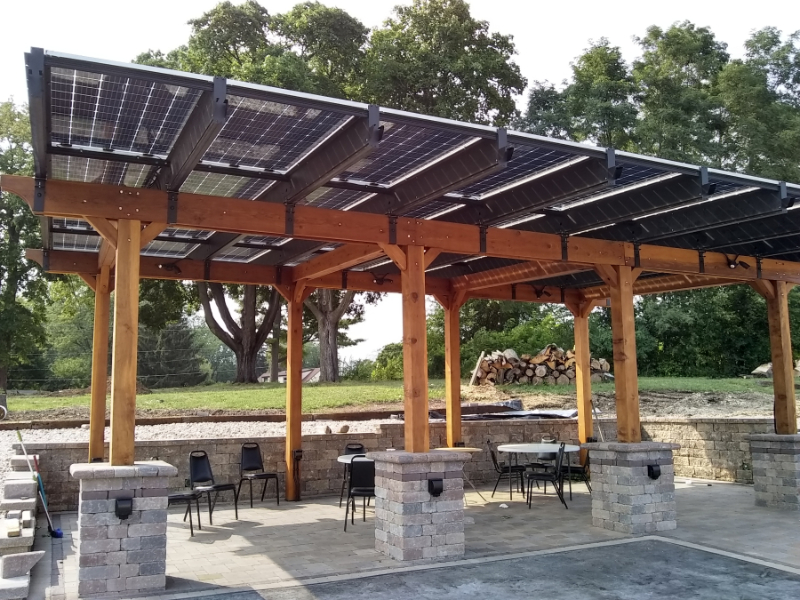
Imagem ilustrativa relacionada a pérgulas solares
Contras: Mais pesado do que outros materiais, o que pode complicar a instalação. Também pode ser mais caro e exigir instalação profissional.
Impacto no aplicativo: A resistência do aço o torna ideal para grandes instalações solares, mas pode exigir soluções de montagem específicas para garantir a compatibilidade com os painéis solares.
Considerações para compradores internacionais: A conformidade com as normas locais, como JIS no Japão ou DIN na Alemanha, é fundamental. Os compradores também devem considerar o impacto ambiental da produção e do fornecimento de aço.
Tabela de resumo da seleção de materiais para pérgulas solares
| Material | Caso de uso típico para pérgulas solares | Principais vantagens | Principais desvantagens/limitações | Custo relativo (baixo/médio/alto) |
|---|---|---|---|---|
| Madeira tratada com pressão | Pérgulas solares residenciais | Econômico e amplamente disponível | Requer manutenção regular | Baixa |
| Cedro | Aplicações residenciais premium | Naturalmente durável e esteticamente agradável | Custo mais alto e disponibilidade variável | Med |
| Alumínio | Designs modernos e leves | Baixa manutenção e resistente à corrosão | Custo inicial mais alto | Alta |
| Aço | Instalações comerciais e de grande porte | Resistência e longevidade excepcionais | Instalação mais pesada e complexa | Alta |
Este guia oferece uma visão geral abrangente dos materiais comumente usados em pérgulas solares, destacando suas propriedades, vantagens e considerações para compradores internacionais. A compreensão desses fatores ajudará os compradores B2B a tomar decisões informadas que se alinhem aos requisitos de seus projetos e aos padrões regionais.

Imagem ilustrativa relacionada a pérgulas solares
Visão aprofundada: Processos de fabricação e garantia de qualidade para pérgulas solares
Quais são as principais etapas do processo de fabricação de pérgulas solares?
O processo de fabricação de pérgulas solares é uma sequência estruturada que garante a qualidade e a funcionalidade, especialmente para compradores B2B que buscam produtos confiáveis. Os principais estágios incluem a preparação do material, a formação, a montagem e o acabamento.
-
Preparação de materiais
A jornada começa com a seleção de matérias-primas de alta qualidade, que geralmente incluem madeira tratada sob pressão ou estruturas metálicas duráveis. Os fornecedores geralmente adquirem materiais que atendem a padrões internacionais, garantindo resistência a condições climáticas e pragas. Normalmente, a madeira é seca até atingir um teor de umidade ideal para evitar empenamento, enquanto os componentes de metal são tratados para resistir à corrosão. -
Formação
Durante esse estágio, os materiais são cortados, moldados e tratados de acordo com os requisitos específicos do projeto. No caso de pérgulas de madeira, isso pode envolver o corte de vigas e postes em dimensões precisas e o entalhe para facilitar a montagem. No caso de estruturas metálicas, técnicas como soldagem ou usinagem são empregadas para criar juntas e suportes fortes capazes de suportar o estresse ambiental. -
Montagem
O processo de montagem é crucial para a integridade estrutural das pérgulas solares. Os componentes são sistematicamente unidos usando fixadores e adesivos de alta qualidade. Os fabricantes geralmente empregam gabaritos e acessórios para manter a precisão durante a montagem. Essa fase também pode incluir a pré-instalação de recursos que suportam painéis solares, garantindo que a pérgula esteja pronta para a integração solar no momento da instalação. -
Acabamento
O estágio final envolve tratamentos de superfície que melhoram o apelo estético e a longevidade da pérgola. Isso pode incluir coloração, vedação ou pintura dos componentes de madeira e aplicação de revestimento em pó nas partes metálicas. O acabamento não apenas melhora o aspecto visual, mas também oferece proteção adicional contra os raios UV e a umidade.
Como a garantia de qualidade é implementada na fabricação de pérgulas solares?
A garantia de qualidade é um aspecto fundamental do processo de fabricação, garantindo que cada pérgola solar atenda aos padrões estabelecidos e às expectativas dos clientes.
-
Quais normas internacionais devem ser consideradas?
A conformidade com padrões internacionais, como a ISO 9001, é essencial para os fabricantes que visam compradores B2B. A ISO 9001 enfatiza um sistema de gerenciamento de qualidade que garante qualidade consistente e melhoria contínua. Além disso, as certificações específicas do setor, como a marcação CE na Europa e os padrões API para determinados materiais, podem validar ainda mais a qualidade das pérgulas solares. -
Quais são os principais pontos de verificação de controle de qualidade no processo de fabricação?
O controle de qualidade (QC) envolve vários pontos de verificação ao longo do processo de fabricação:
– Controle de qualidade de entrada (IQC): Essa inspeção inicial garante que as matérias-primas atendam aos requisitos especificados antes de serem usadas na produção.
– Controle de qualidade durante o processo (IPQC): Durante a fabricação, são realizadas verificações periódicas para monitorar os processos e identificar quaisquer desvios dos padrões de qualidade. Isso inclui inspeções das dimensões, da junção e da integridade do material.
– Controle de qualidade final (FQC): Após a montagem, é realizada uma inspeção completa para verificar a qualidade geral do produto acabado. Isso inclui a verificação da estabilidade estrutural, do acabamento estético e da conformidade com as especificações do projeto. -
Quais métodos de teste comuns são usados?
Vários métodos de teste são empregados para verificar a durabilidade e a segurança das pérgulas solares. Os métodos comuns incluem:
– Teste de carga: Avaliação da integridade estrutural sob as cargas de peso esperadas.
– Teste de resistência a intempéries: Exposição de materiais a condições climáticas simuladas para avaliar o desempenho ao longo do tempo.
– Teste de resistência a UV: Garantir que os acabamentos e materiais possam suportar a exposição prolongada à luz solar sem degradação.
Como os compradores B2B podem verificar as práticas de controle de qualidade do fornecedor?
Para os compradores B2B internacionais, especialmente os da África, América do Sul, Oriente Médio e Europa, verificar as práticas de controle de qualidade do fornecedor é essencial para garantir a confiabilidade do produto.
-
Quais auditorias e relatórios devem ser solicitados?
Os compradores devem solicitar auditorias e relatórios de qualidade regulares dos fornecedores. Esses documentos podem fornecer informações sobre a adesão do fornecedor aos padrões de qualidade e destacar as áreas que precisam ser melhoradas. As auditorias independentes conduzidas por organizações terceirizadas também podem validar as alegações do fornecedor com relação à garantia de qualidade. -
Como as inspeções de terceiros podem aumentar a confiança?
A contratação de serviços de inspeção de terceiros pode garantir ainda mais aos compradores a qualidade do produto. Esses inspetores podem avaliar materiais e produtos acabados em relação aos padrões do setor, fornecendo uma avaliação imparcial da qualidade. Isso é particularmente importante para compradores em regiões onde os padrões locais podem variar. -
Que nuances específicas de QC e certificação existem para os compradores internacionais?
Compradores de diferentes regiões podem enfrentar requisitos exclusivos de certificação e controle de qualidade. Por exemplo, os compradores europeus geralmente priorizam a marcação CE, enquanto os compradores na África podem precisar considerar as regulamentações locais que influenciam as escolhas de materiais e as práticas de construção. A compreensão dessas nuances pode ajudar os compradores a tomar decisões informadas e garantir a conformidade com as leis locais.
Quais são os benefícios que os processos de fabricação de alta qualidade oferecem aos compradores B2B?
O investimento em pérgulas solares de alta qualidade, fabricadas sob rigorosos protocolos de garantia de qualidade, oferece inúmeros benefícios para os compradores B2B:
-
Maior confiabilidade e durabilidade
As pérgulas solares construídas com materiais e processos de qualidade têm maior probabilidade de resistir aos desafios ambientais, levando a uma vida útil mais longa e a custos de manutenção reduzidos. -
Satisfação aprimorada do cliente
Ao adquirir produtos que atendem a padrões de alta qualidade, as empresas podem aumentar a satisfação do cliente, o que leva à repetição de negócios e a referências positivas no boca a boca. -
Vantagem competitiva
As empresas que priorizam a qualidade em suas ofertas podem se diferenciar no mercado, atraindo clientes exigentes que valorizam a confiabilidade e o desempenho.
Em conclusão, compreender os processos de fabricação e as práticas de garantia de qualidade para pérgulas solares é vital para os compradores B2B que desejam tomar decisões de compra informadas. Ao se concentrarem na qualidade e na conformidade com os padrões internacionais, os compradores podem garantir que investirão em produtos duráveis e confiáveis que atendam às necessidades de seus clientes.
Guia prático de fornecimento: Uma lista de verificação passo a passo para 'pérgulas solares'
No mercado atual de soluções de energia renovável, que está evoluindo rapidamente, as pérgulas solares representam uma oportunidade única para as empresas melhorarem os espaços ao ar livre e, ao mesmo tempo, promoverem a sustentabilidade. Este guia oferece uma lista de verificação prática para compradores B2B que desejam adquirir pérgulas solares de forma eficaz.
Etapa 1: Defina suas especificações técnicas
Antes de iniciar o processo de aquisição, defina os requisitos específicos de seu pergolado solar. Considere fatores como tamanho, material (por exemplo, madeira tratada sob pressão ou cedro) e recursos de design que atenderão às necessidades estéticas e funcionais de seu projeto. O entendimento dessas especificações garante que você aborde os fornecedores com uma visão clara, facilitando uma melhor comunicação e um processo de aquisição mais eficiente.
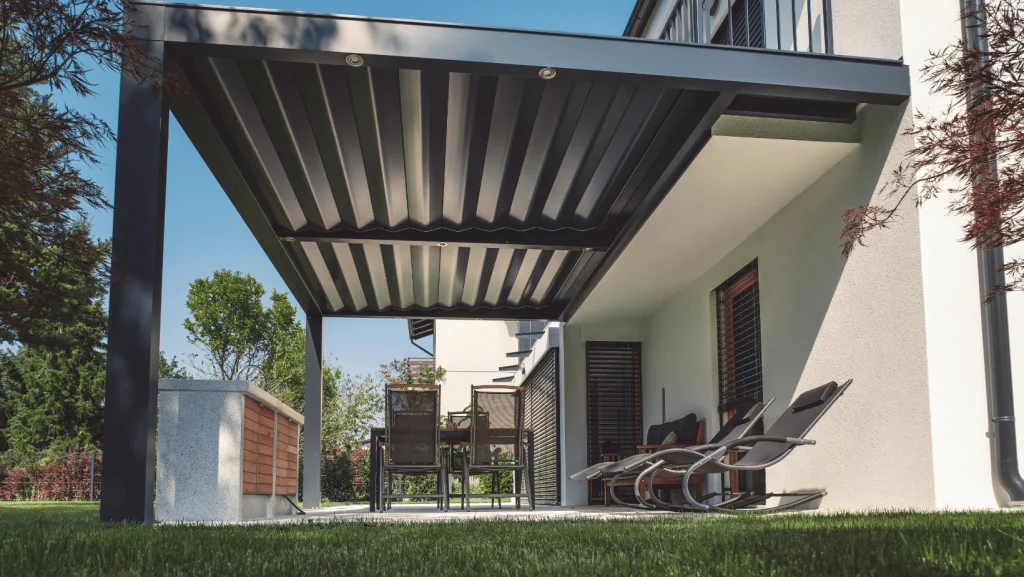
Imagem ilustrativa relacionada a pérgulas solares
Etapa 2: Realizar pesquisas de mercado
Investigar o cenário atual do mercado de pérgulas solares. Identifique os principais participantes, as tendências emergentes e as faixas de preço em diferentes regiões, concentrando-se especialmente em suas áreas-alvo na África, América do Sul, Oriente Médio e Europa. Essa pesquisa o ajudará a avaliar os preços competitivos e os recursos inovadores que podem agregar valor à sua oferta.
Etapa 3: Avaliar fornecedores em potencial
Antes de se comprometer, é fundamental examinar minuciosamente os fornecedores. Solicite perfis de empresas, estudos de caso e referências de compradores em um setor ou região semelhante. Procure fornecedores com um histórico comprovado de fornecimento de pérgulas solares de alta qualidade que atendam aos códigos e padrões de construção locais.
- Verifique as certificações: Certifique-se de que os fornecedores tenham as certificações necessárias, como ISO ou padrões de qualidade locais, que indiquem a adesão a protocolos de segurança e qualidade.
- Analisar o feedback do cliente: Analise as revisões e os depoimentos para avaliar a confiabilidade do fornecedor e a qualidade do produto.
Etapa 4: Avaliar a qualidade e os recursos do produto
A qualidade é fundamental na seleção de pérgulas solares, pois elas devem resistir a várias condições ambientais. Examine os materiais usados na construção e quaisquer recursos adicionais que aumentem a durabilidade, como classificações de resistência ao vento ou ferragens resistentes à corrosão.
- Solicitar amostras: Se possível, obtenha amostras ou especificações detalhadas do produto para avaliar a qualidade do artesanato e do material em primeira mão.
- Informe-se sobre as garantias: Entenda os termos de garantia oferecidos pelo fornecedor, que podem fornecer informações sobre a longevidade esperada do produto e a confiança do fabricante em suas ofertas.
Etapa 5: Entenda a logística de remessa e entrega
O transporte e a entrega podem afetar significativamente o cronograma e o orçamento de seu projeto. Confirme a logística envolvida no transporte do pergolado solar do fornecedor até sua localização.
- Informe-se sobre os custos de remessa: Saiba se o frete está incluído no preço ou se há cobranças adicionais.
- Cronogramas de entrega: Pergunte sobre os prazos de entrega estimados para garantir que estejam alinhados com o cronograma de seu projeto.
Etapa 6: Considere as opções de suporte à instalação
Avalie o nível de suporte à instalação oferecido pelo fornecedor. Alguns fornecedores fornecem guias de instalação abrangentes, enquanto outros podem oferecer assistência no local ou treinamento para a sua equipe. Esse suporte pode ser crucial para garantir uma instalação bem-sucedida.
- Avaliar a disponibilidade de assistência técnica: Verifique se o fornecedor oferece assistência técnica personalizada para dimensionamento e seleção de produtos.
- Procure recursos de instalação: Considere fornecedores que ofereçam manuais de instalação detalhados ou vídeos, pois isso pode facilitar a execução.
Etapa 7: Finalizar os acordos contratuais
Depois de selecionar um fornecedor, finalize os acordos contratuais que descrevem preços, cronogramas de entrega, termos de garantia e quaisquer serviços adicionais. Certifique-se de que todos os termos estejam claramente definidos para evitar mal-entendidos posteriormente.
- Revisar os detalhes do contrato: Preste atenção às cláusulas relacionadas a devoluções, danos ou atrasos para proteger seus interesses.
- Negociar termos favoráveis: Não hesite em negociar termos que possam proporcionar valor adicional, como descontos para compras em grandes quantidades ou garantias estendidas.
Seguindo essa lista de verificação, os compradores B2B podem navegar pelo processo de aquisição de pérgulas solares com confiança, garantindo que tomem decisões informadas e alinhadas com suas metas comerciais e objetivos de sustentabilidade.
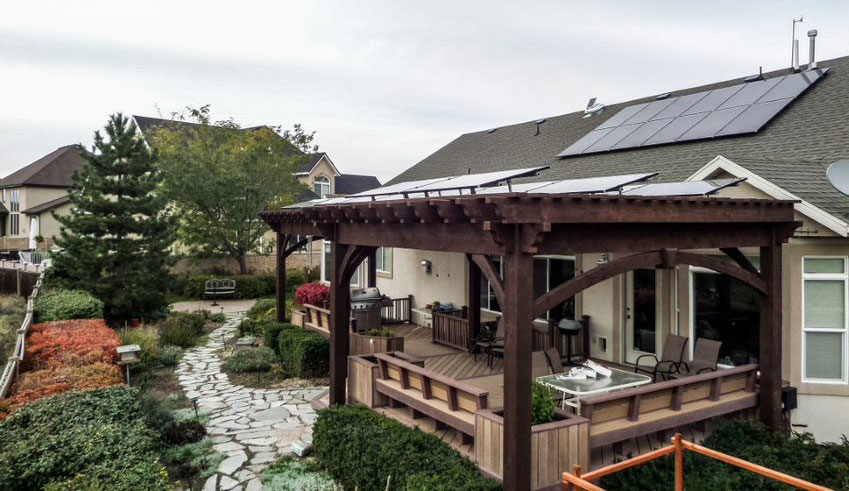
Imagem ilustrativa relacionada a pérgulas solares
Análise abrangente de custos e preços para o fornecimento de pérgulas solares
Quais são os principais componentes de custo das pérgulas solares?
Ao adquirir pérgulas solares, entender a estrutura de custos é essencial para os compradores B2B. Os principais componentes incluem:
-
Materiais: A escolha dos materiais influencia significativamente o custo total. A madeira de alta qualidade, como pinho tratado sob pressão ou cedro, é comumente usada devido à sua durabilidade e apelo estético. Além disso, as ferragens de aço inoxidável e outros componentes, como suportes para painéis solares, contribuem para os custos dos materiais.
-
Trabalho: Os custos de mão de obra podem variar muito de acordo com a localização geográfica e a complexidade da instalação. Para projetos do tipo "faça você mesmo", a mão de obra pode ser minimizada, mas a instalação profissional pode ser necessária para estruturas maiores ou mais complexas.
-
Custos indiretos de fabricação: Inclui custos relacionados a instalações de produção, manutenção de equipamentos e serviços públicos. Os fabricantes com alta eficiência operacional podem oferecer preços mais competitivos.
-
Ferramentas: O investimento inicial em ferramentas especializadas para a fabricação dos componentes da pérgola pode afetar o preço. Os fabricantes com recursos avançados de ferramentas podem produzir projetos mais precisos e eficientes, o que afeta o custo final.
-
Controle de qualidade (QC): Garantir que os produtos atendam aos padrões de segurança e desempenho gera custos. Os fabricantes que investem em processos completos de controle de qualidade geralmente oferecem produtos de maior qualidade, o que pode justificar um preço mais alto.
-
Logística: Os custos de remessa podem variar de acordo com a distância entre o fabricante e o comprador e o tamanho da remessa. Os compradores devem considerar os custos de frete e os possíveis atrasos ao fazer o orçamento.
-
Margem: As margens do fabricante e do fornecedor também desempenham um papel fundamental na precificação. Essas margens podem variar de acordo com a demanda do mercado, a concorrência e o valor percebido do produto.
O que influencia o preço das pérgulas solares?
Vários fatores podem influenciar o preço das pérgulas solares, inclusive:
-
Volume e quantidade mínima de pedidos (MOQ): As compras em grandes quantidades geralmente resultam em custos mais baixos por unidade. Os compradores que pretendem investir em várias unidades devem negociar um preço melhor com base no volume.
-
Especificações e personalização: Projetos personalizados ou especificações exclusivas podem aumentar os custos. Os compradores devem avaliar se os modelos padrão atendem às suas necessidades ou se a personalização é essencial.
-
Materiais e certificações: A qualidade dos materiais usados, bem como quaisquer certificações do setor, podem afetar o preço. Materiais de qualidade superior normalmente resultam em um custo inicial mais alto, mas podem reduzir os custos de manutenção e substituição em longo prazo.
-
Fatores do fornecedor: A reputação e a confiabilidade do fornecedor podem afetar o preço. Fornecedores estabelecidos podem cobrar um prêmio por sua garantia de qualidade e atendimento ao cliente.
-
Incoterms: Entender os termos de remessa é fundamental para os compradores internacionais. Os Incoterms definem as responsabilidades de remessa, seguro e tarifas, afetando o custo total de propriedade.
Que dicas podem ajudar os compradores a otimizar os custos?
Para maximizar o valor ao adquirir pérgulas solares, considere as dicas a seguir:
-
Negociar: Sempre negocie os preços com os fornecedores. Aproveite os descontos por volume e esteja aberto a discutir condições de pagamento para obter melhores taxas.
-
Avalie o custo total de propriedade (TCO): Olhe além do preço de compra inicial. Considere a instalação, a manutenção e a possível economia de energia durante a vida útil da pérgola.
-
Entenda as nuances dos preços nos mercados internacionais: Os compradores da África, América do Sul, Oriente Médio e Europa devem estar cientes das condições do mercado local, das flutuações da moeda e das taxas de importação que podem afetar os custos gerais.
-
Solicitar cotações detalhadas: Sempre solicite orçamentos detalhados que discriminem os custos de material, mão de obra e remessa. Essa transparência ajuda a comparar os fornecedores de forma eficaz.
-
Esteja ciente dos tempos de espera: Prazos de entrega mais longos podem afetar os cronogramas do projeto. Leve em consideração os tempos de produção e envio ao planejar as compras para evitar atrasos.
Isenção de responsabilidade
Os preços e componentes de custo descritos aqui são indicativos e estão sujeitos a alterações com base nas condições de mercado, negociações com fornecedores e requisitos específicos do projeto. Recomenda-se que os compradores realizem uma pesquisa completa e obtenham várias cotações para garantir preços competitivos.
Análise de alternativas: Comparação de pérgulas solares com outras soluções
No cenário em evolução das soluções de energia renovável, as empresas estão cada vez mais procurando maneiras eficazes de aproveitar a energia solar. Embora as pérgulas solares apresentem uma oferta exclusiva, é essencial avaliar outras alternativas viáveis que possam atender melhor às necessidades específicas das empresas. Esta análise comparará as pérgulas solares a duas alternativas populares: os dosséis solares e os painéis solares montados no solo.
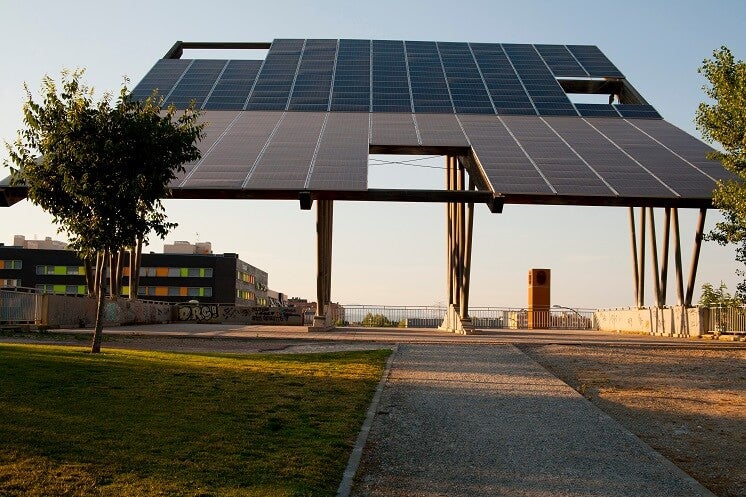
Imagem ilustrativa relacionada a pérgulas solares
Tabela de comparação
| Aspecto de comparação | Pérgulas solares | Toldos solares | Painéis solares montados no solo |
|---|---|---|---|
| Desempenho | Eficiente para sombreamento e geração de energia; ideal para espaços externos residenciais e comerciais. | Alta produção de energia; pode cobrir áreas maiores, maximizando a captação de energia solar. | Extremamente eficiente na produção de energia; orientação ideal para exposição à luz solar. |
| Custo | O investimento inicial começa em torno de $6.060; os custos podem aumentar com a personalização. | Custo moderado a alto; normalmente varia de $10.000 a $50.000, dependendo do tamanho e dos materiais. | Custos iniciais mais baixos por watt; grandes instalações podem se beneficiar de economias de escala. |
| Facilidade de implementação | Requer uma abordagem "faça você mesmo" ou instalação profissional; relativamente simples. | A instalação pode ser complexa devido a requisitos estruturais; muitas vezes requer licenças. | Requer avaliação do terreno e preparação do solo potencialmente mais extensa; são necessárias licenças. |
| Manutenção | Baixa manutenção; recomenda-se a limpeza periódica dos painéis solares. | Manutenção moderada; são necessárias verificações de integridade estrutural e limpeza do painel. | Necessidade de manutenção regular para limpeza do solo e checagem de equipamentos; maior manutenção a longo prazo. |
| Melhor caso de uso | Ideal para aprimorar a estética externa e, ao mesmo tempo, gerar energia; adequado para instalações de pequeno a médio porte. | Ideal para ambientes comerciais onde o espaço de estacionamento pode funcionar como zona de geração de energia. | Ideal para produção de energia em larga escala; adequado para empresas de serviços públicos e grandes instalações. |
Análise detalhada das alternativas
O que são toldos solares e como eles se comparam?
Os painéis solares são estruturas normalmente construídas sobre estacionamentos ou áreas abertas, projetadas para suportar painéis solares e, ao mesmo tempo, fornecer sombra e proteção para os veículos. Uma das principais vantagens dos painéis solares é sua capacidade de cobrir áreas maiores, maximizando assim a captação de energia solar. Entretanto, sua instalação pode ser cara e pode exigir uma engenharia estrutural complexa. Além disso, a necessidade de licenças pode complicar o processo de implementação. Em geral, os painéis solares são mais adequados para ambientes comerciais em que a maximização da produção de energia e o fornecimento de utilidade são fundamentais.
Como funcionam os painéis solares montados no solo?
Os painéis solares montados no solo são instalações fixas que permitem que os painéis solares sejam colocados diretamente no solo. Geralmente, eles são posicionados em ângulos ideais para captar a luz solar durante todo o dia, resultando em alta eficiência energética. As principais vantagens incluem um custo menor por watt para instalações maiores e a flexibilidade de ajustar o layout para obter a máxima exposição à luz solar. No entanto, esses sistemas exigem uma área de terra significativa, o que pode não ser viável para todas as empresas. A manutenção regular também é necessária para garantir o desempenho ideal, o que os torna mais adequados para projetos em escala de serviços públicos do que para empresas individuais.
Conclusão: Escolhendo a solução certa para suas necessidades de negócios
Ao selecionar a solução solar certa, os compradores B2B devem considerar seus requisitos específicos, inclusive a disponibilidade de espaço, as restrições orçamentárias e o uso pretendido. As pérgulas solares podem ser uma opção esteticamente agradável e funcional para empresas que desejam melhorar os espaços externos e, ao mesmo tempo, gerar energia. Por outro lado, os dosséis solares e os painéis solares montados no solo podem fornecer maior produção de energia e ser mais adequados para empresas comerciais maiores. Em última análise, a escolha dependerá de uma avaliação abrangente das necessidades operacionais e das metas energéticas de longo prazo.
Propriedades técnicas essenciais e terminologia comercial para pérgulas solares
Quais são as principais propriedades técnicas das pérgulas solares?
Compreender as especificações técnicas das pérgulas solares é fundamental para os compradores B2B, especialmente ao avaliar a qualidade, a durabilidade e a adequação a várias aplicações. Aqui estão algumas propriedades essenciais a serem consideradas:
-
Grau do material
As pérgulas solares são normalmente construídas com materiais como pinho ou cedro tratados com pressão. O grau da madeira afeta a durabilidade, a resistência ao apodrecimento e o apelo estético geral. As classes mais altas, como o pinho amarelo do sul tratado sob pressão #1, oferecem maior longevidade e menor necessidade de manutenção, o que as torna adequadas para vários climas e ambientes. -
Classificação de carga de vento
As classificações de carga de vento indicam a capacidade de uma estrutura de resistir às forças do vento. Por exemplo, pérgulas projetadas para suportar rajadas de vento de até 160 MPH são ideais para áreas propensas a condições climáticas severas. Essa propriedade é fundamental para garantir a segurança e a conformidade com os códigos de construção locais, que podem variar significativamente entre as regiões. -
Dimensões da viga e da coluna
As dimensões das vigas e dos postes (por exemplo, postes 6×6, vigas duplas 2×10) determinam a integridade estrutural da pérgola. As dimensões maiores geralmente proporcionam maior estabilidade e suporte para instalações de painéis solares. O entendimento dessas especificações ajuda os compradores a selecionar o tamanho certo com base nos requisitos específicos de seu projeto, garantindo desempenho e segurança ideais. -
Componentes pré-perfurados
Os kits de pérgula solar geralmente vêm com componentes pré-perfurados e entalhados para facilitar a montagem. Esse recurso é particularmente vantajoso para empreiteiros e entusiastas do faça-você-mesmo, pois reduz o tempo de instalação e os custos de mão de obra. Saber se os componentes são pré-perfurados pode influenciar as decisões de compra, especialmente para compradores com pouca experiência em montagem. -
Capacidade de carga
A capacidade de suporte de carga refere-se ao peso máximo que uma estrutura pode suportar, o que é vital ao planejar a instalação de painéis solares. Pérgulas projetadas com placas de rolamento para suportar racks solares indicam sua adequação para aplicações de energia solar. Os compradores devem avaliar essa capacidade para garantir que seus projetos atendam às necessidades de energia sem comprometer a segurança estrutural.
Quais termos comerciais os compradores B2B devem conhecer para pérgulas solares?
A familiaridade com o jargão do setor pode melhorar a comunicação e a negociação em transações B2B. Veja a seguir alguns dos principais termos relevantes para pérgulas solares:

Imagem ilustrativa relacionada a pérgulas solares
-
OEM (fabricante original do equipamento)
Os OEMs produzem componentes ou produtos que são vendidos sob a marca de outra empresa. No contexto das pérgulas solares, um OEM pode fornecer os componentes estruturais ou o hardware de montagem solar. O entendimento das relações com os OEMs pode ajudar os compradores a avaliar a qualidade e a confiabilidade da cadeia de suprimentos. -
MOQ (Quantidade mínima de pedido)
O MOQ refere-se à menor quantidade de um produto que um fornecedor está disposto a vender. Conhecer o MOQ é essencial para o orçamento e o gerenciamento de estoque, especialmente para empresas que desejam estocar pérgulas solares para revenda ou grandes projetos. -
RFQ (Request for Quotation, solicitação de cotação)
Uma solicitação de cotação é um documento enviado aos fornecedores para solicitar cotações de preços para produtos ou serviços específicos. Para pérgulas solares, a emissão de uma solicitação de cotação pode ajudar os compradores a comparar custos, especificações e condições de entrega de vários fornecedores, facilitando melhores decisões de compra. -
Incoterms (Termos Comerciais Internacionais)
Os Incoterms definem as responsabilidades de compradores e vendedores com relação à entrega de mercadorias. A compreensão desses termos é fundamental para as transações internacionais, pois eles esclarecem quem assume os riscos e os custos associados ao envio, ao seguro e ao desembaraço aduaneiro das pérgulas solares. -
Prazo de entrega
O prazo de entrega é o período entre a colocação de um pedido e o recebimento do produto. Para pérgulas solares, prazos de entrega mais curtos podem ser vantajosos para os cronogramas do projeto, especialmente em mercados com demanda flutuante. Os compradores devem informar-se sobre os prazos de entrega para planejar seus projetos com eficiência.
Ao compreender essas propriedades técnicas e termos comerciais, os compradores B2B podem tomar decisões informadas que se alinham com suas metas comerciais e requisitos de projeto, o que, em última análise, leva a instalações bem-sucedidas de pérgulas solares.
Navegando pela dinâmica do mercado e pelas tendências de fornecimento no setor de pérgulas solares
Quais são as principais tendências que estão moldando o mercado de pérgulas solares?
O mercado de pérgulas solares está experimentando um crescimento robusto, impulsionado por uma ênfase global cada vez maior em soluções de energia renovável e espaços de convivência sustentáveis ao ar livre. Os compradores internacionais, principalmente de regiões como África, América do Sul, Oriente Médio e Europa, estão buscando cada vez mais estruturas multifuncionais que ofereçam sombra e aproveitem a energia solar. A integração da tecnologia solar em produtos para ambientes externos está se tornando uma tendência significativa, com pérgulas solares servindo não apenas como aprimoramentos estéticos, mas também como fontes de energia funcionais para residências e espaços comerciais.
As tecnologias emergentes também estão influenciando as tendências de fornecimento. Inovações como projetos modulares e kits pré-fabricados estão tornando as pérgulas solares mais acessíveis e fáceis de instalar. Isso é particularmente atraente para os compradores B2B que buscam simplificar os processos de instalação e reduzir os custos de mão de obra. Além disso, o surgimento de mercados e plataformas on-line para a aquisição de materiais está oferecendo aos compradores internacionais uma gama mais ampla de opções, aumentando a concorrência e reduzindo os preços.
À medida que as normas ambientais se tornam mais rígidas em todo o mundo, cresce a demanda por materiais duráveis e resistentes às intempéries que atendam aos padrões de segurança. Isso é especialmente relevante em regiões propensas a condições climáticas extremas, como o Oriente Médio e partes da Europa. Os compradores B2B estão buscando cada vez mais fornecedores que possam oferecer soluções de engenharia que resistam aos desafios climáticos locais e, ao mesmo tempo, ofereçam versatilidade estética.
Como a sustentabilidade e o fornecimento ético estão impactando o setor de pérgulas solares?
A sustentabilidade está na vanguarda do mercado de pérgulas solares, pois os compradores internacionais estão priorizando cada vez mais as soluções ecologicamente corretas. O uso de materiais de origem sustentável, como madeira certificada ou metais reciclados, está se tornando um fator crítico nas decisões de compra. Os compradores não estão interessados apenas na estética e na funcionalidade das pérgulas solares, mas também em seu impacto ambiental durante todo o ciclo de vida do produto.
As práticas de fornecimento ético são essenciais para manter uma imagem positiva da marca e atender às expectativas dos consumidores. As empresas que demonstram transparência em suas cadeias de suprimentos e aderem a padrões de fornecimento responsável podem se diferenciar em um mercado lotado. Certificações como o Forest Stewardship Council (FSC) para produtos de madeira e o Energy Star para eficiência energética estão se tornando referências importantes para os compradores B2B.
Além disso, a integração da tecnologia solar nas pérgulas não apenas melhora sua utilidade, mas também contribui para a redução das pegadas de carbono dos usuários finais. Os compradores estão cada vez mais conscientes de que o investimento em pérgulas solares pode levar à economia de energia a longo prazo e contribuir positivamente para suas metas de sustentabilidade. Esse foco duplo no fornecimento ético e no impacto ambiental está reformulando as relações com os fornecedores e as ofertas de produtos no setor.

Imagem ilustrativa relacionada a pérgulas solares
O que impulsionou a evolução das pérgulas solares no mercado B2B?
A evolução das pérgulas solares foi significativamente influenciada pela crescente demanda por soluções de vida sustentável e pela adoção cada vez maior de tecnologias de energia renovável. Inicialmente, as pérgulas tinham uma função principalmente estética em espaços externos. No entanto, com o aumento da conscientização sobre as mudanças climáticas e a eficiência energética, a integração de recursos solares as transformou em ativos multifuncionais.
Nos estágios iniciais, as pérgulas solares eram feitas sob medida e caras, o que limitava seu alcance no mercado. No entanto, os avanços nas tecnologias de fabricação permitiram que os fornecedores oferecessem kits pré-fabricados que são mais econômicos e fáceis de instalar. Essa mudança abriu o mercado para uma gama mais ampla de compradores B2B, incluindo empreiteiros e desenvolvedores que buscam aprimorar suas ofertas de produtos.
Além disso, à medida que os governos de todo o mundo implementam incentivos para instalações de energia renovável, o apelo das pérgulas solares aumentou, tornando-as um investimento estratégico para empresas focadas em sustentabilidade. A convergência dessas tendências estabeleceu as pérgulas solares como uma solução viável no contexto mais amplo da construção com eficiência energética e do design de ambientes externos.

Imagem ilustrativa relacionada a pérgulas solares
Perguntas frequentes (FAQs) para compradores B2B de pérgulas solares
-
Como escolho a pérgula solar certa para minhas necessidades comerciais?
A escolha do pergolado solar correto envolve a avaliação de seus requisitos específicos, incluindo o uso pretendido, o tamanho e as preferências de design. Considere as condições climáticas locais, como cargas de vento e neve, para garantir a integridade estrutural. Além disso, avalie o espaço de instalação - se você precisa de um modelo independente ou fixo. Também é essencial analisar a compatibilidade da pérgula com painéis solares e quaisquer recursos adicionais, como materiais e estética. A colaboração com um fornecedor de boa reputação pode fornecer informações valiosas adaptadas ao seu mercado. -
Qual é o melhor material para pérgulas solares em diferentes climas?
O melhor material para pérgulas solares depende muito do clima regional. Em áreas úmidas ou tropicais, materiais duráveis, como pinho ou cedro tratados sob pressão, são ideais devido à sua resistência à decomposição e aos insetos. Para climas áridos, o alumínio ou os materiais compostos podem oferecer maior longevidade e exigir menos manutenção. Em regiões com condições de ventos fortes, certifique-se de que o material escolhido possa suportar rajadas de vento, de preferência com uma classificação de até 160 MPH. Consulte os fornecedores para entender o desempenho do material em condições climáticas específicas. -
Quais opções de personalização estão disponíveis para pérgulas solares?
As opções de personalização para pérgulas solares podem incluir ajustes de tamanho, opções de materiais (como tipo ou cor de madeira) e recursos adicionais, como iluminação embutida ou assentos integrados. Os fornecedores podem oferecer projetos sob medida para atender aos requisitos específicos do projeto, incluindo desenhos de engenharia para os códigos de construção locais. É aconselhável comunicar suas necessidades exatas aos possíveis fornecedores para explorar as opções de personalização disponíveis e os custos associados. -
Quais são as quantidades mínimas de pedido (MOQs) para pérgulas solares?
As quantidades mínimas de pedido podem variar significativamente entre fabricantes e fornecedores. Normalmente, os MOQs para pérgulas solares podem variar de uma única unidade para pedidos personalizados a quantidades maiores para compras no atacado. Ao comprar, informe-se diretamente com o fornecedor sobre seus MOQs, pois eles podem oferecer flexibilidade com base em suas necessidades comerciais ou em acordos de parceria de longo prazo. O estabelecimento de um relacionamento de compra consistente também pode levar a condições favoráveis. -
Que condições de pagamento devo esperar ao adquirir pérgulas solares?
As condições de pagamento para o fornecimento de pérgulas solares podem variar de acordo com o fornecedor e a natureza do seu pedido. Os termos comuns incluem depósitos antecipados (normalmente 30-50%) seguidos pelo saldo na entrega ou instalação. Alguns fornecedores podem oferecer condições de crédito para compradores estabelecidos. Sempre esclareça os métodos de pagamento aceitos, como transferências bancárias ou cartas de crédito, e certifique-se de entender todas as implicações das flutuações de moeda se estiver negociando internacionalmente. -
Como posso garantir a garantia de qualidade (QA) para meus pedidos de pérgula solar?
Para garantir a qualidade dos pedidos de pérgola solar, escolha fornecedores que forneçam especificações e certificações detalhadas do produto. Solicite amostras ou protótipos para avaliar a qualidade do material e os padrões de construção. Além disso, informe-se sobre seus processos de controle de qualidade, incluindo inspeções durante a produção e antes do envio. Estabelecer uma comunicação clara sobre suas expectativas de qualidade pode ajudar a reduzir os riscos associados ao fornecimento internacional. -
Que logística devo considerar ao importar pérgulas solares?
Ao importar pérgulas solares, considere a logística, como métodos de remessa, regulamentos alfandegários e prazos de entrega. Avalie o custo total da remessa, inclusive frete, taxas e impostos, pois eles podem afetar seu orçamento geral. A parceria com um despachante de carga pode simplificar o processo de importação e ajudar a lidar com possíveis desafios. Além disso, certifique-se de que o fornecedor possa fornecer a documentação necessária para o desembaraço alfandegário a fim de evitar atrasos. -
Como faço para avaliar fornecedores de pérgulas solares em mercados internacionais?
A verificação de fornecedores de pérgulas solares envolve a pesquisa de sua reputação, experiência e certificações. Utilize plataformas on-line, feiras comerciais e redes do setor para obter avaliações e feedback de clientes anteriores. Verifique suas capacidades de produção, medidas de controle de qualidade e conformidade com as normas internacionais. A realização de visitas ao local, se possível, pode fornecer informações em primeira mão sobre suas operações. Estabelecer uma comunicação aberta e solicitar referências também pode ajudar a garantir sua parceria com um fornecedor confiável.
Lista dos 5 principais fabricantes e fornecedores de pérgulas solares
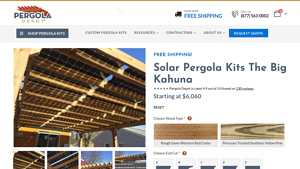
1. Pergola Depot - Kit de pérgola solar Big Kahuna
Domínio: pergoladepot.com
Registrado: 2007 (18 anos)
Introdução: Big Kahuna Solar Pergola Kit - Design clássico, kit pronto para montar, madeira e ferragens de qualidade premium. Dimensões: Postes entalhados 6×6, vigas duplas 2×10, vigas entalhadas 2×8, cantoneiras 2×6, ripas superiores 2×2, tábuas de apoio 2×8. Opções independentes ou fixas. Cobertura solar máxima: 90 tamanhos padrão + personalizados. Estampado por engenheiro para vento de 165 mph. Faixa de preço: $6.060 - $24.710. Frete grátis em preços mais baixos...
2. Sola Outdoor - Pérgulas com lâminas alimentadas por energia solar

Domínio: solaoutdoor.com
Registrado: 2023 (2 anos)
Introdução: Pérgulas solares - Vida ao ar livre ecologicamente correta
- Tipo: Pérgola de alumínio com lâminas alimentada por energia solar
- Características: Persianas móveis, LEDs integrados, ventilador embutido
- Vantagens: Não precisa de fiação elétrica, persianas ajustáveis para proteção contra intempéries, baixa manutenção (sem coloração anual), aumenta o valor da casa em 80%-100% do investimento
- Instalação: Adequado para superfícies de concreto ou decks, usa âncoras para fixação segura...
3. Alukov - PERGOLA SOLAR
Domínio: alukov.com
Registrado: 2002 (23 anos)
Introdução: A PERGOLA SOLAR é uma cobertura inovadora para terraços com teto solar que gera energia limpa para piscinas e residências. Ele tem uma potência de 4,35 a 5,22 kWp, dependendo do modelo, e inclui uma bateria de 3,1 kWh para operação autônoma das tecnologias da piscina. A estrutura foi projetada tanto para estética quanto para funcionalidade e está disponível em duas variantes: uma com 10 painéis fotovoltaicos (4,35 ...
4. EnVision - Pérgulas solares
Domínio: envisionpergola.com
Registrado: 2018 (7 anos)
Introdução: As pérgulas solares da EnVision oferecem uma maneira bonita e funcional de gerar energia solar em casa e, ao mesmo tempo, criar espaços de convivência ao ar livre que podem ser usados. Os principais recursos incluem:
- Telhado BIPV patenteado para geração de energia solar
- Pavilhões elegantes, pátios cobertos, estacionamentos e estações de recarga de veículos elétricos
- SunLounge: Estrutura de sombra à prova d'água que aumenta o espaço habitável ao ar livre e gera energia
- SunPark: Estilo s...
5. Plugged Solar - Gazebo e pérgola solares

Domínio: pluggedsolar.com
Registrado: 2013 (12 anos)
Introdução: {"product_name": "Solar Gazebo | Solar Pergola", "power_options": ["5KW", "15KW"], "dimensions": {"1-Car": "11.25ft X 22.5ft", "3-Car": "33.75ft X 22.5ft"}, "prices": {"5KW": "€14.031,95 EUR", "15KW": "€19.294,95 EUR"}, "features": ["Grid-tie", "Off-grid", "Hybrid grid-tie with power backup", "App-controlled operation"], "installation": {"montagem": "Montagem rápida e suave, componentes pré-cortados e pré-perfurados...
Conclusão e perspectiva de fornecimento estratégico para pérgulas solares
A crescente demanda por pérgulas solares apresenta uma oportunidade única para compradores B2B em regiões como África, América do Sul, Oriente Médio e Europa. À medida que o mundo se volta para soluções de energia sustentável, o investimento em pérgulas solares não apenas melhora os espaços externos, mas também agrega valor por meio da geração de energia renovável. As principais considerações no fornecimento estratégico incluem a seleção de materiais duráveis e de alta qualidade que possam resistir às condições climáticas locais e, ao mesmo tempo, garantir fácil instalação e manutenção.
Ao aproveitar fornecedores confiáveis, como os que oferecem soluções de engenharia e suporte técnico abrangente, as empresas podem simplificar seus processos de aquisição. Essa abordagem não apenas reduz os custos, mas também melhora os resultados do projeto por meio de maior confiabilidade e satisfação do cliente.
Olhando para o futuro, o mercado de pérgulas solares está pronto para um crescimento significativo. Os compradores internacionais devem agir agora para capitalizar essa tendência, promovendo parcerias com fabricantes e empreiteiros inovadores. O envolvimento com o fornecimento estratégico não apenas capacitará as empresas a atender às demandas dos clientes, mas também as posicionará como líderes no cenário da energia sustentável. Abrace o futuro da vida ao ar livre e da eficiência energética - invista em pérgulas solares hoje para garantir um futuro sustentável.
Isenção de responsabilidade e termos de uso importantes
⚠️ Isenção de responsabilidade importante
As informações fornecidas neste guia, inclusive o conteúdo referente a fabricantes, especificações técnicas e análise de mercado, são apenas para fins informativos e educacionais. Elas não constituem aconselhamento profissional sobre compras, aconselhamento financeiro ou aconselhamento jurídico.
Embora tenhamos feito todos os esforços para garantir a precisão e a atualidade das informações, não nos responsabilizamos por erros, omissões ou informações desatualizadas. As condições de mercado, os detalhes da empresa e os padrões técnicos estão sujeitos a alterações.

Imagem ilustrativa relacionada a pérgulas solares
Os compradores B2B devem realizar sua própria due diligence independente e completa antes de tomar qualquer decisão de compra. Isso inclui entrar em contato diretamente com os fornecedores, verificar as certificações, solicitar amostras e buscar consultoria profissional. O risco de confiar em qualquer informação contida neste guia é de responsabilidade exclusiva do leitor.


 Portuguese
  English
  Russian
  Arabic
  Japanese
  German
  Spanish
  Afrikaans
  Greek
Greek  Italian
  Thai
Thai  French