
Introdução: Navegando no mercado global de mesas e bancos para móveis de exterior
Como a demanda por mesas e bancos para móveis para áreas externas continua a crescer globalmente, os compradores internacionais B2B enfrentam o desafio de adquirir produtos duráveis e de alta qualidade que atendam às diversas necessidades dos consumidores. Seja para mobiliar um resort de luxo na Arábia Saudita ou para estabelecer uma aconchegante área de refeições ao ar livre no Brasil, é fundamental entender os meandros do mercado de móveis para áreas externas. Este guia fornecerá informações sobre vários tipos de mesas e bancos para áreas externas, suas aplicações e as últimas tendências de design que atendem a diferentes preferências culturais na África, na América do Sul, no Oriente Médio e na Europa.
Navegar pelas complexidades da verificação de fornecedores, estratégias de preços e logística pode ser assustador. Este recurso abrangente o capacitará a tomar decisões de compra informadas, oferecendo conselhos práticos sobre como identificar fornecedores confiáveis, avaliar a qualidade do produto e entender as implicações de custo de suas escolhas. Você também aprenderá sobre designs inovadores que não apenas melhoram o apelo estético, mas também aprimoram a funcionalidade, atendendo às demandas em evolução dos espaços de convivência ao ar livre.
Ao utilizar este guia, você pode abordar com confiança o mercado global de móveis para áreas externas, garantindo que suas seleções não só estejam alinhadas com seus objetivos de negócios, mas também ressoem com seu público-alvo, abrindo caminho para transações bem-sucedidas e clientes satisfeitos.
Entendendo os tipos e variações de mesas e bancos para móveis de exterior
| Nome do tipo | Principais características distintivas | Aplicativos B2B primários | Prós e contras para compradores |
|---|---|---|---|
| Mesas de jantar externas extensíveis | Projetos modulares que podem ajustar o tamanho para diferentes ocasiões | Restaurantes, hotéis, locais de eventos | Prós: Assentos flexíveis, com economia de espaço; Contras: Pode exigir montagem e manutenção. |
| Bancos embutidos | Soluções integradas de assentos, geralmente acopladas a mesas | Parques, resorts, áreas comuns | Prós: Eficiente em termos de espaço e durável; Contras: Flexibilidade limitada no arranjo. |
| Conjuntos de bistrô | Mesas compactas com duas ou quatro cadeiras, geralmente dobráveis | Cafés, pequenos pátios, varandas | Prós: Fácil de armazenar e econômico; Contras: Capacidade limitada de assentos. |
| Mesas de piquenique | Mesas grandes e resistentes com bancos acoplados, geralmente feitos de madeira | Acampamentos, eventos ao ar livre, reuniões familiares | Prós: Durável, ótimo para grupos grandes; Contras: Pesado e menos portátil. |
| Móveis multifuncionais | Peças que atendem a várias finalidades (por exemplo, mesa e armazenamento) | Espaços versáteis, como apartamentos urbanos | Prós: Economia de espaço e versatilidade; Contras: Pode sacrificar o estilo em prol da funcionalidade. |
Quais são as principais características das mesas de jantar externas extensíveis?
As mesas de jantar externas extensíveis são projetadas para serem adaptáveis, permitindo que as empresas acomodem um número variável de convidados. Sua natureza modular permite que elas se expandam de um tamanho compacto para assentos para grupos maiores, tornando-as ideais para restaurantes e espaços para eventos. Os compradores B2B devem considerar a durabilidade do material, a facilidade de extensão e os requisitos de manutenção, garantindo que o produto possa resistir às condições externas e, ao mesmo tempo, oferecer uma solução elegante para diversas experiências gastronômicas.

Imagem ilustrativa relacionada à mesa e bancos para móveis externos
Por que escolher bancos embutidos para espaços externos?
Os bancos embutidos oferecem uma solução de assentos integrada que aumenta a eficiência do espaço. Comumente encontrados em parques e resorts, esses bancos são acoplados a mesas, proporcionando um visual coeso e maximizando a capacidade de assentos sem móveis adicionais. Os compradores B2B devem avaliar os materiais usados quanto à resistência a intempéries e facilidade de manutenção, bem como o apelo estético para garantir que se alinhem ao design geral das áreas externas.
O que torna os conjuntos de bistrô ideais para espaços externos pequenos?
Os conjuntos de bistrô, caracterizados por seu design compacto, geralmente consistem em uma mesa pequena e de duas a quatro cadeiras. Sua natureza dobrável permite fácil armazenamento, tornando-os adequados para cafés e pequenos pátios. Ao comprar, os compradores B2B devem avaliar o peso e a estabilidade dos móveis, bem como os materiais usados, para garantir a longevidade e a adequação às condições externas.
Como as mesas de piquenique atendem a grupos grandes?
As mesas de piquenique são soluções de assentos robustos e comunitários projetados para receber grupos maiores. Geralmente feitas de madeira durável ou materiais compostos, elas são comumente usadas em acampamentos, eventos ao ar livre e reuniões familiares. Para compradores B2B, as considerações devem incluir o peso, a portabilidade e as necessidades de manutenção da mesa, bem como a capacidade de resistir aos elementos climáticos sem comprometer a integridade estrutural.

Imagem ilustrativa relacionada à mesa e bancos para móveis externos
Por que investir em móveis multifuncionais para espaços versáteis?
O mobiliário externo multifuncional combina vários usos, como refeições e armazenamento, o que o torna uma excelente opção para ambientes urbanos onde o espaço é limitado. Esse tipo de mobiliário atende a empresas que buscam maximizar a utilidade sem sacrificar a estética. Os compradores devem considerar a adaptabilidade do design, a durabilidade do material e a facilidade de manutenção, garantindo que as peças possam atender às demandas de ambientes externos dinâmicos.
Principais aplicações industriais de mesas e bancos para móveis externos
| Indústria/Setor | Aplicação específica de mesas e bancos para móveis externos | Valor/benefício para a empresa | Principais considerações de fornecimento para este aplicativo |
|---|---|---|---|
| Hospitalidade | Áreas de refeições ao ar livre em hotéis e restaurantes | Aprimora a experiência do hóspede e aumenta a capacidade de assentos | Durabilidade, resistência a intempéries, estética do design |
| Varejo | Áreas de exposição e de assentos ao ar livre em shopping centers | Atrai clientes e incentiva visitas mais longas | Otimização de espaço, modularidade, requisitos de manutenção |
| Educação | Áreas de estudo ao ar livre e espaços recreativos nas escolas | Promove o aprendizado ao ar livre e a interação social | Padrões de segurança, conforto e facilidade de montagem |
| Eventos e serviços de bufê | Arranjos temporários de assentos para eventos ao ar livre | Flexibilidade para vários tamanhos e temas de eventos | Portabilidade, facilidade de configuração, resistência a intempéries |
| Escritórios corporativos | Áreas de descanso ao ar livre para os funcionários | Melhora o bem-estar e a produtividade dos funcionários | Design ergonômico, durabilidade, compatibilidade com a decoração existente |
Como as mesas e os bancos para móveis externos são usados na hotelaria?
No setor de hospitalidade, as mesas e os bancos para móveis externos são essenciais para criar áreas de refeições convidativas em hotéis e restaurantes. Esses espaços não apenas melhoram a experiência do hóspede, mas também aumentam a capacidade de assentos durante os horários de pico. Os compradores desse setor geralmente buscam materiais duráveis e resistentes às intempéries que possam suportar diversos climas, especialmente em regiões como o Oriente Médio e a América do Sul. O apelo estético também é crucial, pois os móveis devem estar alinhados com a marca e o ambiente do estabelecimento.
Qual é o papel das mesas e bancos para móveis externos no varejo?
Os ambientes de varejo aproveitam as mesas e os bancos de móveis para exteriores para criar áreas de exposição e de assentos convidativas que atraem os clientes. Ao oferecer lugares confortáveis para sentar, os varejistas incentivam os clientes a ficar mais tempo, aumentando as vendas. Para os compradores internacionais, a aquisição de móveis modulares e que ocupem pouco espaço é vital, principalmente em áreas urbanas onde o espaço é limitado. Além disso, a facilidade de manutenção e a resistência às intempéries são fatores fundamentais, especialmente em regiões com condições climáticas variáveis.
Como as mesas e bancos para móveis externos são úteis para a educação?
Nas instituições de ensino, as mesas e os bancos para móveis externos são cada vez mais usados para criar áreas de estudo e recreação ao ar livre. Esses espaços promovem o aprendizado ao ar livre e a interação social entre os alunos, contribuindo para uma experiência educacional holística. Os compradores desse setor devem considerar os padrões de segurança e o design ergonômico para garantir o conforto e a usabilidade. Além disso, a facilidade de montagem e a portabilidade são importantes, principalmente para as escolas da África e da América do Sul, onde os eventos podem exigir configurações flexíveis.

Imagem ilustrativa relacionada à mesa e bancos para móveis externos
Como as mesas e os bancos de móveis para área externa melhoram os eventos e os serviços de bufê?
Para o setor de eventos e serviços de bufê, as mesas e os bancos para móveis externos oferecem arranjos flexíveis de assentos que podem ser adaptados a vários tamanhos e temas de eventos. Essa versatilidade permite que os planejadores de eventos otimizem o espaço e criem ambientes convidativos para os convidados. Ao adquirir produtos para essa aplicação, as empresas devem priorizar a portabilidade e a facilidade de montagem, bem como a resistência às intempéries para acomodar eventos ao ar livre em diversos climas.
Quais são os benefícios das mesas e bancos para móveis externos em escritórios corporativos?
Em ambientes corporativos, as mesas e os bancos de móveis para áreas externas são componentes essenciais das áreas de descanso dos funcionários, promovendo o relaxamento e a interação social. Isso pode levar a um maior bem-estar e produtividade dos funcionários. Os compradores desse setor geralmente procuram designs ergonômicos que garantam conforto durante o uso prolongado. A durabilidade também é uma consideração importante, pois os móveis devem suportar o uso frequente e, ao mesmo tempo, manter uma aparência profissional que se alinhe à marca corporativa.
3 pontos de dor comuns dos usuários para "mesas e bancos para móveis de exterior" e suas soluções
Cenário 1: enfrentando os desafios da resistência às intempéries em móveis para áreas externas
O problema: Os compradores B2B frequentemente enfrentam o desafio de adquirir mesas e bancos para móveis para áreas externas que possam resistir a condições climáticas adversas. Em regiões como o Oriente Médio, com calor e areia extremos, ou na América do Sul, onde a umidade e a chuva são predominantes, a longevidade dos móveis para áreas externas é uma preocupação significativa. Os compradores se preocupam com móveis que deformam, desbotam ou se deterioram rapidamente, o que leva a substituições frequentes e aumento de custos. Além disso, as empresas podem hesitar em investir em móveis para áreas externas se não tiverem certeza sobre a durabilidade dos materiais e os requisitos de manutenção.
A solução: Para atender a essas preocupações, os compradores devem priorizar móveis fabricados com materiais de alta qualidade e resistentes a intempéries, como poliestireno de alto impacto (HIPS) e alumínio. Ao comprar, solicite especificações detalhadas sobre os materiais usados e pergunte sobre sua resistência a raios UV, umidade e flutuações de temperatura. Também é vantajoso escolher peças que venham com garantia, assegurando que quaisquer defeitos de fabricação ou desgaste prematuro sejam cobertos. Além disso, considere designs modulares que permitam fácil armazenamento durante condições climáticas adversas. Essa abordagem não apenas protege os móveis, mas também prolonga sua vida útil, proporcionando melhor retorno sobre o investimento.

Imagem ilustrativa relacionada à mesa e bancos para móveis externos
Cenário 2: Restrições de espaço e projeto funcional para áreas externas
O problema: Muitos compradores B2B enfrentam limitações no espaço disponível ao ar livre, especialmente em ambientes urbanos ou locais de hospitalidade menores. Isso pode complicar a seleção de móveis para áreas externas, pois eles precisam de peças que sejam funcionais e que ocupem pouco espaço. Os compradores podem ter dificuldades para encontrar mesas e bancos que possam acomodar grupos de tamanhos variados sem sobrecarregar a área ou criar uma aparência desordenada. A incapacidade de ajustar a disposição dos assentos pode prejudicar a flexibilidade necessária para diferentes eventos e necessidades dos clientes.
A solução: A solução ideal é investir em móveis externos modulares e extensíveis. Os compradores devem procurar mesas que possam ser ajustadas em tamanho, permitindo a realização de jantares íntimos ou reuniões maiores, conforme necessário. Além disso, selecionar bancos que possam ser facilmente reorganizados ou empilhados quando não estiverem em uso maximiza a eficiência do espaço. Ao entrar em contato com fabricantes ou fornecedores, especifique a necessidade de projetos multifuncionais que possam se adaptar a várias ocasiões. Também é aconselhável perguntar sobre o peso do mobiliário e a facilidade de movimentação, garantindo que a equipe possa reconfigurar rapidamente a disposição dos assentos para atender às demandas em constante mudança.
Cenário 3: Equilíbrio entre apelo estético e durabilidade em móveis para áreas externas
O problema: Um dos principais desafios para os compradores B2B é encontrar móveis para áreas externas que combinem apelo estético e durabilidade. As empresas do setor de hospitalidade, por exemplo, precisam de móveis que não apenas tenham uma aparência convidativa, mas que também possam suportar o uso diário e os rigores do ambiente externo. Os compradores geralmente se sentem pressionados a escolher entre estilo e funcionalidade, o que leva a concessões que podem afetar a satisfação do cliente e a imagem geral da marca.
A solução: Para superar esse dilema, os compradores devem se concentrar na aquisição de móveis para áreas externas que apresentem design elegante e construção robusta. Procure fornecedores que ofereçam uma variedade de estilos criados com materiais duráveis, como acabamentos em madeira resistentes a intempéries combinados com estruturas de metal. Além disso, considere móveis com acabamentos que resistam a manchas e desbotamento, garantindo que o apelo estético perdure ao longo do tempo. A contratação de fabricantes que ofereçam opções personalizáveis também pode ser benéfica; isso permite que as empresas alinhem os móveis com a identidade de sua marca, garantindo a durabilidade. É aconselhável solicitar amostras ou ver portfólios de instalações anteriores para garantir que os produtos atendam aos requisitos estéticos e funcionais antes de fazer uma compra em grandes quantidades.

Imagem ilustrativa relacionada à mesa e bancos para móveis externos
Guia de seleção de materiais estratégicos para mesas e bancos de móveis para áreas externas
Quais são os principais materiais para mesas e bancos de móveis para áreas externas?
Ao selecionar materiais para mesas e bancos de móveis para áreas externas, é essencial considerar seu desempenho, durabilidade e adequação a vários climas e aplicações. Este guia analisa quatro materiais comuns usados em móveis para áreas externas, com foco em suas propriedades, vantagens, desvantagens e considerações para compradores B2B internacionais.
Qual é o desempenho do alumínio como material para móveis externos?
O alumínio é um metal leve e resistente à corrosão, o que o torna uma opção popular para móveis de exterior. Normalmente, ele suporta temperaturas extremas e é resistente à ferrugem, o que é crucial para ambientes úmidos ou costeiros. O processo de fabricação é relativamente simples, permitindo diversos designs e acabamentos, desde visuais modernos e elegantes até estilos mais tradicionais.
Prós: Os móveis de alumínio são duráveis, leves e de fácil manutenção. Ele pode ser revestido com tinta em pó para melhorar seu apelo estético e oferecer proteção adicional contra as intempéries.
Contras: Embora geralmente econômico, o alumínio de alta qualidade pode ser mais caro do que outros materiais. Ele também pode ser menos resistente em comparação com materiais mais pesados, levando a possíveis problemas de estabilidade em condições de vento.
Impacto no aplicativo: O alumínio é compatível com vários ambientes externos, desde pátios residenciais até espaços comerciais. No entanto, ele pode não ser adequado para ambientes com temperaturas extremamente altas sem os revestimentos adequados.
Considerações para compradores internacionais: Os compradores de regiões como a Arábia Saudita e o Brasil devem garantir a conformidade com os padrões locais de resistência à corrosão e proteção UV. A familiaridade com as normas ASTM e DIN pode orientar a seleção de materiais.
Quais são os benefícios de usar madeira de teca em móveis para áreas externas?
A madeira de teca é conhecida por sua beleza natural e durabilidade excepcional. Seu alto teor de óleo a torna resistente à umidade, à deterioração e aos danos causados por insetos, o que a torna ideal para uso externo. A teca pode suportar uma ampla gama de temperaturas e é menos provável que se deforme ou rache com o tempo.
Prós: Os móveis de teca oferecem uma estética clássica e exigem manutenção mínima. Sua durabilidade garante uma longa vida útil, tornando-o um investimento que vale a pena para os compradores B2B.
Contras: A principal desvantagem é o custo; a teca é uma das madeiras mais caras disponíveis. Além disso, o fornecimento de teca sustentável pode ser um desafio, e os compradores devem garantir a conformidade com as regulamentações internacionais relativas ao fornecimento de madeira.

Imagem ilustrativa relacionada à mesa e bancos para móveis externos
Impacto no aplicativo: A teca é adequada para projetos residenciais de alto padrão e espaços comerciais de luxo. No entanto, ela pode não ser a melhor opção para projetos com orçamento limitado.
Considerações para compradores internacionais: Os compradores da Europa e do Oriente Médio devem estar cientes das certificações de sustentabilidade, como o FSC (Forest Stewardship Council), para garantir o fornecimento responsável.
Qual é a comparação do poliestireno de alto impacto (HIPS) como material?
O poliestireno de alto impacto (HIPS) é um polímero sintético conhecido por sua durabilidade e resistência a impactos e condições climáticas. Ele é leve e pode ser moldado em vários formatos, o que o torna uma opção versátil para móveis de exterior.
Prós: O HIPS é econômico, fácil de limpar e resistente aos raios UV, o que o torna adequado para uso externo. Sua natureza leve permite fácil transporte e montagem.
Contras: Embora durável, o HIPS pode não ter o mesmo apelo estético dos materiais naturais, como madeira ou metal. Ele também pode se tornar quebradiço com o tempo se for exposto a temperaturas extremas.

Imagem ilustrativa relacionada à mesa e bancos para móveis externos
Impacto no aplicativo: O HIPS é ideal para projetos econômicos e é frequentemente usado em ambientes comerciais onde se espera uma alta rotatividade. Ele pode ser facilmente integrado a vários projetos.
Considerações para compradores internacionais: A conformidade com os padrões locais de segurança e meio ambiente é fundamental. Os compradores devem verificar se os móveis HIPS atendem às normas ASTM e JIS relevantes.
Quais são as vantagens de usar aço para móveis externos?
O aço é um material robusto conhecido por sua resistência e durabilidade. Quando tratado com revestimentos protetores, ele pode resistir à corrosão e suportar condições climáticas adversas. Os móveis de aço podem ser projetados em vários estilos, do moderno ao industrial.

Imagem ilustrativa relacionada à mesa e bancos para móveis externos
Prós: O aço oferece resistência e estabilidade excepcionais, o que o torna adequado para áreas de tráfego intenso. Ele pode ser revestido com tinta em pó para proteção adicional e apelo estético.
Contras: A principal desvantagem é o peso, que pode dificultar o transporte e a reorganização. Além disso, o aço não tratado é propenso à ferrugem, exigindo manutenção regular.
Impacto no aplicativo: O aço é adequado para aplicações comerciais, incluindo restaurantes e espaços públicos, onde a durabilidade é fundamental. No entanto, pode não ser ideal para ambientes residenciais em climas úmidos sem o tratamento adequado.
Considerações para compradores internacionais: Os compradores devem garantir a conformidade com os padrões locais de resistência à corrosão e considerar as implicações do peso no transporte e na instalação.
Resumo da seleção de materiais para mesas e bancos de móveis para áreas externas
| Material | Caso de uso típico para mesas e bancos de móveis externos | Principais vantagens | Principais desvantagens/limitações | Custo relativo (baixo/médio/alto) |
|---|---|---|---|---|
| Alumínio | Ambientes externos residenciais e comerciais | Leve e resistente à corrosão | Pode não ter estabilidade em ventos fortes | Médio |
| Madeira de teca | Espaços residenciais e comerciais de luxo de alto padrão | Durabilidade e beleza excepcionais | Alto custo e desafios de sourcing | Alta |
| Poliestireno de alto impacto (HIPS) | Aplicações comerciais econômicas | Econômico e fácil de limpar | Menor apelo estético | Baixa |
| Aço | Áreas comerciais de alto tráfego | Resistência e estabilidade excepcionais | Propenso à ferrugem se não for tratado | Médio |
Este guia oferece uma visão geral abrangente das opções de materiais para mesas e bancos de móveis para áreas externas, permitindo que os compradores B2B tomem decisões informadas com base no desempenho, no custo e em considerações regionais.

Imagem ilustrativa relacionada à mesa e bancos para móveis externos
Análise aprofundada: Processos de fabricação e garantia de qualidade para mesas e bancos de móveis para áreas externas
Quais são as principais etapas do processo de fabricação de mesas e bancos para móveis externos?
A fabricação de mesas e bancos para móveis para áreas externas envolve vários estágios críticos que garantem que o produto final seja esteticamente agradável e durável. A compreensão desses estágios pode ajudar os compradores B2B a tomar decisões informadas ao adquirir móveis para áreas externas.
Preparação de materiais: Como as matérias-primas são selecionadas e processadas?
O primeiro estágio da fabricação começa com a seleção das matérias-primas. Os móveis para áreas externas geralmente são feitos de madeira, metal, plástico ou materiais compostos, cada um oferecendo benefícios exclusivos em termos de durabilidade, peso e estética. Por exemplo, madeiras de lei como a teca e o eucalipto são preferidas por sua resistência a intempéries, enquanto o alumínio e o aço inoxidável são escolhidos por suas propriedades leves e resistentes à ferrugem.
Depois que os materiais são selecionados, eles passam por processos de preparação, que podem incluir corte, lixamento e tratamento para resistência a intempéries. Essa preparação é fundamental para garantir que os materiais atendam aos padrões de qualidade exigidos para uso externo.

Imagem ilustrativa relacionada à mesa e bancos para móveis externos
Como os componentes são formados e moldados no processo de fabricação?
Após a preparação, a próxima etapa é a formação dos vários componentes do mobiliário externo. Isso pode envolver várias técnicas:
- Moldagem e fundição: No caso de materiais plásticos e compostos, os componentes podem ser moldados, o que permite designs complexos e uniformidade.
- Corte e modelagem: Os componentes de madeira e metal são cortados e modelados com máquinas CNC para obter precisão e consistência. O maquinário avançado pode criar geometrias complexas, aprimorando a funcionalidade e o design.
- Soldagem e união: As peças de metal podem ser soldadas ou aparafusadas, enquanto os componentes de madeira geralmente são unidos com buchas, parafusos ou adesivos para garantir a integridade estrutural.
Essas técnicas são essenciais para garantir que as peças se encaixem bem e possam suportar os rigores do uso externo.
Como é o processo de montagem de móveis para áreas externas?
A montagem é um estágio crucial em que todos os componentes se unem para formar o produto final. Normalmente, esse processo envolve:
- Montagem a seco: Antes da montagem permanente, as peças geralmente são ajustadas a seco para garantir o alinhamento correto.
- Montagem final: Os trabalhadores montam os móveis, aplicando adesivos, parafusos ou porcas conforme necessário. No caso de projetos modulares, essa etapa também pode incluir a garantia de que todas as peças se encaixem perfeitamente.
- Verificações de qualidade: Durante a montagem, podem ocorrer controles de qualidade para verificar se todos os componentes atendem às especificações.
A montagem adequada é fundamental, pois afeta não apenas a estética, mas também a durabilidade e a segurança do móvel.
Quais técnicas de acabamento são comumente usadas na produção de móveis para áreas externas?
O acabamento é o estágio final do processo de fabricação, que afeta significativamente a aparência e a longevidade do produto. As técnicas comuns de acabamento incluem:
- Coloração e vedação: Os móveis de madeira costumam ser manchados e selados para melhorar sua aparência e proteger contra umidade e danos causados por raios UV.
- Revestimento em pó: Os componentes metálicos podem ser revestidos com tinta em pó, proporcionando um acabamento durável e resistente a intempéries, disponível em várias cores.
- Tratamentos UV: Para materiais plásticos, são aplicados tratamentos resistentes a raios UV para evitar o desbotamento e a degradação ao longo do tempo.
Esses processos de acabamento são essenciais para garantir que o mobiliário externo possa resistir aos desafios ambientais e, ao mesmo tempo, manter seu apelo visual.
Como a garantia de qualidade é implementada na fabricação de móveis para exteriores?
A garantia de qualidade (QA) é um aspecto fundamental do processo de fabricação de móveis para áreas externas. Garantir que os produtos atendam aos padrões internacionais e às expectativas dos clientes é essencial para manter uma vantagem competitiva no mercado B2B.
Quais padrões e certificações internacionais os compradores B2B devem procurar?
Os compradores B2B devem estar cientes dos vários padrões e certificações internacionais que indicam qualidade e segurança na fabricação de móveis para áreas externas. Os principais padrões incluem:

Imagem ilustrativa relacionada à mesa e bancos para móveis externos
- ISO 9001: Essa norma internacional se concentra em sistemas de gerenciamento de qualidade e é essencial para garantir uma qualidade consistente nos processos de fabricação.
- Marcação CE: Particularmente relevante para os mercados europeus, a marcação CE indica a conformidade com os padrões de saúde, segurança e proteção ambiental.
- Certificação API: A certificação do American Petroleum Institute (API) pode ser relevante para os fabricantes que usam materiais ou processos específicos.
Essas certificações podem garantir aos compradores a qualidade e a segurança dos produtos que estão adquirindo.
Quais são os principais pontos de verificação do controle de qualidade no processo de fabricação?
O controle de qualidade (QC) envolve verificações sistemáticas em vários estágios do processo de fabricação. Os pontos de controle comuns incluem:
- Controle de qualidade de entrada (IQC): As matérias-primas são inspecionadas na chegada para garantir que atendam às especificações.
- Controle de qualidade durante o processo (IPQC): Durante todo o processo de fabricação, são realizadas inspeções contínuas para verificar a adesão aos padrões de qualidade.
- Controle de qualidade final (FQC): Depois que o móvel é montado, é realizada uma inspeção final para verificar se há defeitos, funcionalidade e qualidade estética.
Esses pontos de controle ajudam a detectar quaisquer problemas no início do processo de fabricação, reduzindo o desperdício e garantindo uma produção de alta qualidade.
Como os compradores B2B podem verificar as práticas de controle de qualidade do fornecedor?
Para garantir que os fornecedores sigam os padrões de controle de qualidade, os compradores B2B devem considerar os seguintes métodos de verificação:
- Auditorias de fornecedores: A realização de auditorias regulares dos fornecedores pode ajudar a verificar sua adesão aos padrões de qualidade e às práticas de fabricação.
- Relatórios de qualidade: A solicitação de relatórios detalhados de qualidade aos fornecedores pode fornecer informações sobre seus processos de controle de qualidade e sobre quaisquer problemas encontrados durante a produção.
- Inspeções de terceiros: A contratação de serviços de inspeção de terceiros pode oferecer uma avaliação imparcial da qualidade e da conformidade dos produtos antes do embarque.
Essas etapas podem ajudar a reduzir os riscos e garantir que o mobiliário externo adquirido atenda aos padrões de qualidade exigidos.

Imagem ilustrativa relacionada à mesa e bancos para móveis externos
Quais são as considerações exclusivas de CQ para compradores internacionais na África, na América do Sul, no Oriente Médio e na Europa?
Os compradores B2B internacionais enfrentam desafios únicos ao adquirir móveis para áreas externas, principalmente em regiões como África, América do Sul, Oriente Médio e Europa. Compreender essas nuances é essencial para uma aquisição bem-sucedida.
Como as regulamentações regionais afetam a garantia de qualidade?
Cada região pode ter normas específicas relativas a materiais, segurança e impacto ambiental. Por exemplo, os compradores da Europa precisam navegar por normas ambientais rigorosas, enquanto os do Oriente Médio podem se concentrar na resistência ao calor e na durabilidade devido a condições climáticas extremas. O entendimento dessas normas pode informar as decisões de compra e a seleção de fornecedores.
O que os compradores devem saber sobre as questões de remessa e manuseio?
O transporte internacional de móveis para áreas externas pode apresentar desafios, inclusive danos durante o trânsito. Os compradores devem garantir que os fornecedores usem procedimentos adequados de embalagem e manuseio para minimizar os riscos. Além disso, o conhecimento das normas alfandegárias do país de destino pode ajudar a evitar atrasos e custos adicionais.
Ao se concentrarem nesses processos de fabricação e nas práticas de garantia de qualidade, os compradores B2B podem tomar decisões informadas que levem a parcerias bem-sucedidas e a produtos de mobiliário para áreas externas de alta qualidade.
Guia prático de fornecimento: Uma lista de verificação passo a passo para 'mesas e bancos para móveis de exterior'
Introdução
Este guia de fornecimento tem como objetivo fornecer aos compradores B2B uma lista de verificação abrangente para a aquisição de mesas e bancos para móveis para áreas externas. Compreender as nuances da aquisição de móveis para áreas externas de alta qualidade é essencial para garantir a durabilidade, o apelo estético e a relação custo-benefício. Essa lista de verificação passo a passo o ajudará a tomar decisões informadas e adaptadas às suas necessidades específicas de mercado.

Imagem ilustrativa relacionada à mesa e bancos para móveis externos
Etapa 1: Defina suas especificações técnicas
O estabelecimento de especificações técnicas claras é a base de um processo de aquisição bem-sucedido. Determine os requisitos de tamanho, material e design que atendam às preferências de seu mercado-alvo. Considere fatores como resistência a intempéries, capacidade de peso e compatibilidade de estilo com espaços externos existentes.
- Considerações sobre materiais: Opte por materiais resistentes a intempéries, como alumínio ou poliestireno de alto impacto, para garantir a longevidade.
- Requisitos de tamanho: Avalie o espaço onde os móveis serão usados para escolher mesas e bancos de tamanho adequado.
Etapa 2: Pesquise as tendências do mercado e as preferências dos consumidores
Entender as tendências atuais do mercado é fundamental para selecionar móveis para áreas externas que atraiam seus clientes. Faça uma pesquisa de mercado para identificar estilos, cores e funcionalidades populares que agradem ao seu público-alvo.
- Preferências culturais: Preste atenção às preferências regionais; por exemplo, os compradores do Oriente Médio podem preferir designs ornamentados, enquanto os compradores da América do Sul podem preferir cores vibrantes.
- Tendências de sustentabilidade: Cada vez mais, os consumidores são atraídos por materiais ecologicamente corretos e práticas de fabricação sustentáveis.
Etapa 3: Avaliar fornecedores em potencial
Antes de se comprometer com um fornecedor, é essencial fazer uma avaliação completa. Solicite perfis detalhados da empresa, catálogos de produtos e estudos de caso para avaliar suas capacidades e confiabilidade.

Imagem ilustrativa relacionada à mesa e bancos para móveis externos
- Experiência do fornecedor: Procure fornecedores com experiência em seu mercado-alvo para garantir que eles entendam as regulamentações locais e as expectativas dos clientes.
- Referências e análises: Peça referências de outras empresas de setores semelhantes para validar a reputação do fornecedor e a qualidade do produto.
Etapa 4: Solicitação de amostras para garantia de qualidade
A obtenção de amostras permite que você avalie a qualidade e o acabamento do mobiliário externo antes de fazer uma compra em grande quantidade. Essa etapa é fundamental para garantir que os produtos atendam às suas especificações e expectativas.
- Teste de durabilidade: Verifique se as amostras são resistentes às intempéries, estáveis e confortáveis, especialmente no caso de mesas e bancos que serão usados com frequência.
- Acabamento e apelo estético: Avalie o acabamento e o design geral para garantir que estejam alinhados com a imagem de sua marca.
Etapa 5: Verificar a conformidade com os padrões de segurança e qualidade
Garantir que seus móveis para áreas externas estejam em conformidade com os padrões internacionais de segurança e qualidade é fundamental para proteger sua empresa e seus clientes. Essa verificação ajuda a reduzir os riscos associados à responsabilidade pelo produto.
- Certificações: Verifique se há certificações relevantes, como ISO, CE ou normas de segurança locais, para confirmar que o móvel foi testado quanto à segurança e à qualidade.
- Segurança de materiais: Certifique-se de que os materiais usados não sejam tóxicos e sejam seguros para uso externo, principalmente se crianças estiverem usando os móveis.
Etapa 6: Negociar termos e condições
Depois de selecionar um fornecedor, negocie termos e condições favoráveis. Essa etapa é fundamental para estabelecer um relacionamento mutuamente benéfico.

Imagem ilustrativa relacionada à mesa e bancos para móveis externos
- Preços e condições de pagamento: Discuta os preços em massa, as programações de pagamento e os possíveis descontos para pedidos maiores.
- Políticas de entrega e garantia: Esclareça os prazos de entrega, os custos de remessa e os termos de garantia para garantir a transparência e a proteção de seu investimento.
Etapa 7: Planeje a manutenção e o suporte contínuos
Considere a manutenção e o suporte de longo prazo para os móveis para áreas externas que você adquirir. Estabeleça um plano de manutenção regular para prolongar a vida útil dos produtos.
- Instruções de cuidados: Certifique-se de que o fornecedor forneça instruções claras de cuidados para manter a aparência e a funcionalidade dos móveis.
- Disponibilidade de peças sobressalentes: Informe-se sobre a disponibilidade de peças de reposição ou componentes de substituição para facilitar os reparos no futuro.
Seguindo este guia prático de fornecimento, os compradores B2B podem navegar pelas complexidades da aquisição de mesas e bancos para móveis para áreas externas, garantindo que eles atendam aos padrões de qualidade e às demandas do mercado.
Análise abrangente de custos e preços para o fornecimento de mesas e bancos para móveis externos
Quais são os principais componentes de custo no fornecimento de mesas e bancos para móveis externos?
Ao adquirir mesas e bancos para móveis de exterior, entender a estrutura de custos é essencial para um orçamento e um planejamento financeiro eficazes. Os principais componentes de custo incluem:
-
Materiais: A escolha dos materiais afeta significativamente o custo. Materiais resistentes a intempéries, como poliestireno de alto impacto (HIPS), alumínio e madeira tratada, podem ser mais caros, mas oferecem durabilidade e longevidade. Os compradores devem avaliar a relação custo-benefício dos materiais premium em comparação com os materiais padrão.
-
Trabalho: Os custos de mão de obra variam de acordo com a região e dependem da complexidade do projeto do móvel. A mão de obra especializada é necessária para a fabricação de móveis de alta qualidade para áreas externas, principalmente para peças personalizadas. Em regiões com custos de mão de obra mais altos, como a Europa, isso pode aumentar o preço total.
-
Custos indiretos de fabricação: Engloba todos os custos indiretos associados à produção, incluindo serviços públicos, aluguel e despesas administrativas. A compreensão dos custos indiretos pode ajudar os compradores a avaliar a estratégia de preços de seus fornecedores.
-
Ferramentas: Para projetos personalizados, os custos de ferramentas podem ser significativos. Esses são custos únicos associados à criação de moldes ou equipamentos necessários para a produção. Os compradores devem estar cientes desses custos ao solicitar especificações personalizadas.
-
Controle de qualidade (QC): A implementação de processos robustos de controle de qualidade garante que os produtos finais atendam aos padrões especificados. Embora isso possa aumentar o custo, ajuda a reduzir as devoluções e a aumentar a satisfação do cliente.
-
Logística: As taxas de transporte e envio podem variar muito, especialmente para compradores internacionais. Fatores como distância, método de remessa e embalagem afetam os custos de logística, o que torna vital que os compradores levem em conta esses fatores em seu orçamento total.
-
Margem: Normalmente, os fornecedores incluem uma margem de lucro em seus preços. Compreender as margens típicas do setor pode ajudar os compradores a negociar melhores ofertas.
O que influencia o preço de mesas e bancos para móveis para áreas externas?
Vários fatores podem influenciar o preço dos móveis para áreas externas, principalmente no mercado B2B internacional:
-
Volume e quantidade mínima de pedidos (MOQ): Volumes maiores de pedidos geralmente levam a custos unitários mais baixos. Os compradores devem considerar a possibilidade de agrupar pedidos com outras empresas para atender aos MOQs e se beneficiar dos preços em massa.
-
Especificações e personalização: Os móveis personalizados tendem a ser mais caros devido aos processos adicionais de design e produção. Os compradores devem ponderar a necessidade de personalização em relação às restrições orçamentárias.
-
Qualidade do material e certificações: Materiais de alta qualidade ou com certificações específicas (por exemplo, ecologicamente corretos, resistentes a intempéries) podem exigir preços mais altos. Entretanto, eles também podem resultar em custos de manutenção mais baixos e maior vida útil do produto.
-
Fatores do fornecedor: A reputação, a confiabilidade e a localização dos fornecedores podem influenciar o preço. Os fornecedores estabelecidos podem cobrar um prêmio por sua confiabilidade, enquanto os fornecedores mais novos podem oferecer preços competitivos para atrair clientes.
-
Incoterms: Os termos de remessa e a responsabilidade pelos custos em diferentes estágios podem afetar significativamente os custos totais. Entender os Incoterms é fundamental para que os compradores internacionais evitem despesas inesperadas.
Como os compradores podem otimizar sua eficiência de custos no fornecimento de móveis para áreas externas?
Para obter eficiência de custo na aquisição de móveis para áreas externas, os compradores devem considerar as seguintes estratégias:
-
Negociação: A construção de um bom relacionamento com os fornecedores pode abrir portas para melhores preços, especialmente para pedidos repetidos. O envolvimento em discussões transparentes sobre preços pode levar a acordos mutuamente benéficos.
-
Custo total de propriedade (TCO): Além do preço de compra inicial, considere os custos de longo prazo, como manutenção, durabilidade e possível substituição. Investir em móveis de alta qualidade pode reduzir o TCO ao longo do tempo.
-
Considerações regionais: Os compradores da África, da América do Sul, do Oriente Médio e da Europa devem estar cientes da dinâmica do mercado regional que pode afetar os preços. Por exemplo, as tarifas e os impostos de importação podem afetar significativamente o custo final dos móveis.
-
Pesquisa de mercado: Faça uma pesquisa minuciosa sobre os preços de mercado e as tendências em móveis para áreas externas. Esse conhecimento pode ser uma vantagem nas negociações e ajudar os compradores a identificar os melhores fornecedores.
Conclusão
A aquisição de mesas e bancos para móveis para áreas externas requer uma compreensão diferenciada da estrutura de custos e dos fatores que influenciam os preços. Ao se concentrar em materiais, mão de obra, logística e estratégias de negociação eficazes, os compradores B2B podem tomar decisões informadas que se alinham com seus requisitos de orçamento e qualidade. Sempre considere os custos totais e as condições do mercado regional para otimizar as estratégias de aquisição de forma eficaz.
Isenção de responsabilidade: Os preços aqui mencionados são indicativos e podem variar de acordo com as negociações com os fornecedores, as condições de mercado e as solicitações específicas de personalização.
Análise de alternativas: Comparação de mesas e bancos para móveis de exterior com outras soluções
No cenário competitivo dos móveis para áreas externas, os compradores B2B estão explorando cada vez mais alternativas às tradicionais mesas e bancos para áreas externas. Compreender os benefícios e as limitações de várias soluções pode ajudar as empresas a tomar decisões informadas e adaptadas às suas necessidades específicas. Esta seção compara mesas e bancos de móveis para áreas externas com duas alternativas viáveis: conjuntos modulares para refeições ao ar livre e mesas de piquenique.

Imagem ilustrativa relacionada à mesa e bancos para móveis externos
| Aspecto de comparação | Mesas e bancos para móveis de exterior | Conjuntos modulares para refeições ao ar livre | Mesas de piquenique |
|---|---|---|---|
| Desempenho | Materiais duráveis e resistentes a intempéries com capacidade variada de assentos | Altamente versátil e expansível, acomodando grupos de diferentes tamanhos | Design fixo, capacidade limitada de assentos, mas estável |
| Custo | Geralmente de médio a alto nível, dependendo da qualidade do material | Preço variável, geralmente mais alto devido aos recursos modulares | Econômico, com investimento inicial normalmente menor |
| Facilidade de implementação | Fácil de montar, pode exigir alguma montagem | Moderado; pode exigir mais planejamento para a configuração | Configuração rápida, geralmente pré-montada |
| Manutenção | Requer limpeza regular, especialmente se exposto a intempéries | Baixa manutenção devido aos materiais duráveis | Necessidade de cuidados mínimos, mas vida útil limitada |
| Melhor caso de uso | Ideal para ambientes de jantar formais ou eventos de luxo ao ar livre | Perfeito para necessidades de assentos variáveis, como reuniões familiares ou eventos | Adequado para atividades casuais ao ar livre, como piqueniques ou churrascos |
Quais são os prós e os contras dos conjuntos modulares para refeições ao ar livre?
Os conjuntos modulares para refeições ao ar livre são projetados para oferecer flexibilidade, permitindo que as empresas ajustem as configurações de acordo com a ocasião. Esses conjuntos podem se expandir ou contrair para acomodar diferentes tamanhos de grupos, tornando-os adequados para jantares íntimos ou grandes reuniões. No entanto, seu custo mais alto e sua configuração mais complexa podem dissuadir alguns compradores. Apesar disso, a capacidade de personalizar os arranjos oferece um valor significativo, especialmente para locais que realizam vários eventos.
Como as mesas de piquenique se comparam aos móveis tradicionais para áreas externas?
As mesas de piquenique são uma alternativa prática e econômica às mesas e bancos de móveis para áreas externas. Normalmente, elas são feitas de materiais duráveis e podem suportar os rigores do uso ao ar livre. Entretanto, seu design fixo limita a flexibilidade dos assentos e pode ser menos agradável esteticamente do que as opções mais sofisticadas de móveis para áreas externas. Embora sejam excelentes em ambientes casuais, talvez não atendam às necessidades das empresas que desejam uma experiência gastronômica mais sofisticada ao ar livre.
Conclusão: Como escolher a solução certa para móveis para áreas externas?
Ao decidir entre mesas e bancos para móveis para áreas externas, conjuntos modulares para refeições ou mesas de piquenique, os compradores B2B devem considerar seus casos de uso específicos, seu orçamento e a estética desejada. Para empresas focadas em versatilidade e adaptabilidade, os conjuntos modulares podem oferecer o melhor retorno sobre o investimento. Por outro lado, para ambientes casuais ou organizações preocupadas com o orçamento, as mesas de piquenique podem oferecer funcionalidade sem os custos mais altos associados a móveis mais elaborados. Em última análise, a compreensão das necessidades exclusivas da empresa orientará os compradores na seleção da solução de mobiliário para áreas externas mais adequada para seu espaço.
Propriedades técnicas essenciais e terminologia comercial para mesas e bancos de móveis para áreas externas
Quais são as principais propriedades técnicas das mesas e bancos de móveis para áreas externas?
Ao adquirir móveis para áreas externas, entender as propriedades técnicas é essencial para garantir a qualidade do produto, a durabilidade e a adequação a vários climas. Aqui estão algumas especificações essenciais a serem consideradas:
-
Grau do material
– Definição: Refere-se à qualidade e ao tipo de materiais usados na construção de móveis para áreas externas, como alumínio, teca ou polietileno de alta densidade (HDPE).
– Importância do B2B: Os materiais de maior qualidade geralmente oferecem melhor resistência às condições climáticas, garantindo a longevidade e reduzindo os custos de substituição. Por exemplo, o alumínio é leve e resistente à ferrugem, enquanto a teca é conhecida por seus óleos naturais que protegem contra a umidade. -
Capacidade de peso
– Definição: Essa especificação indica a carga máxima que uma mesa ou bancada pode suportar com segurança.
– Importância do B2B: Conhecer a capacidade de peso é fundamental para os compradores que precisam garantir que seus móveis para áreas externas possam acomodar o número pretendido de usuários sem comprometer a segurança ou a integridade estrutural. -
Acabamento e revestimento
– Definição: Refere-se à camada protetora aplicada às superfícies dos móveis, que pode incluir revestimento em pó, envernizamento ou tratamentos com óleo.
– Importância do B2B: Um acabamento durável aumenta a resistência a arranhões, manchas e exposição aos raios UV, tornando o móvel adequado para uso externo em diversos ambientes. Ele também afeta o apelo estético, o que é importante tanto para os varejistas quanto para os consumidores. -
Níveis de tolerância
– Definição: Esse é o limite ou a variação permitida nas dimensões e propriedades físicas dos componentes dos móveis.
– Importância do B2B: A compreensão dos níveis de tolerância ajuda a garantir que todas as peças se encaixem corretamente durante a montagem. Tolerâncias inconsistentes podem levar a defeitos no produto, afetando a satisfação do cliente e as taxas de devolução. -
Classificação de resistência a intempéries
– Definição: Essa classificação indica a capacidade do móvel de resistir a várias condições climáticas, incluindo chuva, sol e flutuações de temperatura.
– Importância do B2B: Móveis com alta classificação de resistência a intempéries são essenciais para os compradores em regiões com clima extremo, pois reduzem os custos de manutenção e aumentam a durabilidade do produto.
Quais são os termos comerciais comuns no setor de móveis para áreas externas?
Familiarizar-se com o jargão do setor pode facilitar transações e negociações mais tranquilas. Veja a seguir alguns termos comuns usados no comércio de móveis para áreas externas:

Imagem ilustrativa relacionada à mesa e bancos para móveis externos
-
OEM (fabricante original do equipamento)
– Definição: Uma empresa que produz peças ou equipamentos que podem ser comercializados por outro fabricante.
– Importância: Os compradores podem aproveitar os relacionamentos com os OEMs para obter produtos personalizados que atendam a requisitos específicos de design ou funcionalidade, o que geralmente resulta em melhores margens. -
MOQ (Quantidade mínima de pedido)
– Definição: A menor quantidade de um produto que um fornecedor está disposto a vender.
– Importância: Entender o MOQ é vital para que os compradores evitem se comprometer demais com o estoque, especialmente para empresas pequenas ou sazonais. Isso ajuda a gerenciar o fluxo de caixa de forma eficaz. -
RFQ (Request for Quotation, solicitação de cotação)
– Definição: Um documento que um comprador envia aos fornecedores para solicitar informações sobre preços para quantidades e especificações específicas.
– Importância: O envio de uma solicitação de cotação permite que os compradores comparem as ofertas de vários fornecedores, garantindo que recebam o melhor preço e as melhores condições. -
Incoterms (Termos Comerciais Internacionais)
– Definição: Um conjunto de termos comerciais internacionais predefinidos que esclarecem as responsabilidades de compradores e vendedores com relação a remessa, seguro e tarifas.
– Importância: A familiaridade com os Incoterms ajuda os compradores B2B a gerenciar riscos e custos associados à remessa internacional, garantindo clareza sobre quem assume a responsabilidade em vários estágios do processo de transporte. -
Prazo de entrega
– Definição: O tempo que leva desde a colocação de um pedido até a entrega.
– Importância: Entender os prazos de entrega é fundamental para o planejamento do estoque e para atender às demandas dos clientes. Prazos de entrega longos podem afetar as vendas sazonais, especialmente no mercado de móveis para exteriores.
Ao compreender essas propriedades técnicas e termos comerciais essenciais, os compradores B2B podem tomar decisões de compra informadas, o que resulta em transações bem-sucedidas e clientes satisfeitos no mercado de móveis para áreas externas.
Navegando pela dinâmica do mercado e pelas tendências de fornecimento no setor de mesas e bancos para móveis externos
Quais são as principais tendências e a dinâmica atual do mercado de mesas e bancos para móveis de exterior?
O mercado de móveis para áreas externas, especialmente mesas e bancos, está experimentando um crescimento significativo, impulsionado pelo crescente interesse global em atividades de lazer e vida ao ar livre. Fatores como a urbanização, o aumento da renda disponível e o foco crescente na melhoria da casa estão impulsionando esse setor. Em regiões como a África, a América do Sul, o Oriente Médio e a Europa, os consumidores estão investindo cada vez mais em espaços ao ar livre como extensões de suas casas, o que leva a uma maior demanda por móveis para exteriores elegantes, funcionais e duráveis.
As tendências emergentes no setor B2B incluem a integração da tecnologia no design e na fabricação de móveis. Os móveis inteligentes para áreas externas - equipados com recursos como portas de carregamento e sensores meteorológicos integrados - estão ganhando força, atraindo os consumidores que entendem de tecnologia. Além disso, os designs modulares e multifuncionais estão se tornando cada vez mais populares, permitindo que os compradores otimizem seu espaço externo de forma eficiente. Por exemplo, mesas extensíveis e bancos adaptáveis podem atender a várias reuniões, tornando-os ideais tanto para refeições íntimas em família quanto para eventos sociais maiores.
Os compradores B2B internacionais também devem estar cientes da flutuação dos custos das matérias-primas e da dinâmica da cadeia de suprimentos influenciada por tensões geopolíticas e regulamentações ambientais. O fornecimento de regiões com cadeias de suprimentos estáveis e logística transparente será fundamental para manter a lucratividade e atender às expectativas dos consumidores.

Imagem ilustrativa relacionada à mesa e bancos para móveis externos
Como a sustentabilidade está moldando as decisões de fornecimento de móveis para áreas externas?
A sustentabilidade surgiu como um fator crítico no processo de tomada de decisão para compradores B2B no setor de móveis para áreas externas. O impacto ambiental da produção de móveis, desde o fornecimento de matérias-primas até os processos de fabricação, está sendo examinado. Os compradores estão priorizando cada vez mais os produtos fabricados com materiais sustentáveis, como madeira recuperada, plásticos reciclados e metais ecologicamente corretos, que não apenas minimizam os danos ambientais, mas também atraem os consumidores ambientalmente conscientes.
As práticas de fornecimento ético são essenciais para construir a reputação da marca e a fidelidade do cliente. As empresas que enfatizam cadeias de suprimentos transparentes e práticas trabalhistas justas podem se diferenciar em um mercado competitivo. Certificações como o Forest Stewardship Council (FSC) para produtos de madeira e o Global Organic Textile Standard (GOTS) para têxteis estão se tornando mais relevantes, pois oferecem garantia de sustentabilidade e práticas éticas aos consumidores finais.
Além disso, a tendência à sustentabilidade está influenciando a estética do design, com muitos fabricantes adotando uma abordagem minimalista que se concentra em materiais naturais e formas orgânicas. Essa mudança não apenas se alinha com as considerações ecológicas, mas também atende à crescente demanda por móveis para áreas externas que realçam a beleza natural dos espaços externos.

Imagem ilustrativa relacionada à mesa e bancos para móveis externos
Como o setor de móveis para áreas externas evoluiu ao longo do tempo?
A evolução dos móveis para áreas externas, especialmente mesas e bancos, reflete mudanças sociais mais amplas em relação ao lazer e ao estilo de vida. Historicamente, os móveis para áreas externas eram basicamente funcionais, projetados para fins utilitários e não estéticos. No entanto, a era pós-Segunda Guerra Mundial marcou uma mudança em direção a designs voltados para o lazer, influenciados pela ascensão da vida suburbana e pelo aumento do tempo livre.
Nas últimas décadas, os avanços na tecnologia de materiais transformaram o cenário dos móveis para áreas externas. A introdução de materiais resistentes a intempéries, como o polietileno de alta densidade (HDPE) e metais com revestimento em pó, permitiu que os fabricantes criassem produtos duráveis e de baixa manutenção. Além disso, o aumento do comércio global facilitou o acesso a diversos designs e materiais, permitindo que os compradores internacionais selecionassem entre uma ampla gama de opções.
Como as preferências dos consumidores continuam a evoluir, o mercado de móveis para áreas externas está pronto para mais inovações, com foco em sustentabilidade, multifuncionalidade e estética aprimorada, o que torna este um momento empolgante para os compradores B2B se envolverem com esse setor dinâmico.
Perguntas frequentes (FAQs) para compradores B2B de mesas e bancos para móveis de exterior
-
Como escolho a mesa e o banco de móveis para área externa adequados às minhas necessidades comerciais?
A escolha do mobiliário de exterior correto envolve considerar seu mercado-alvo, o clima e os requisitos de espaço. Avalie os materiais; por exemplo, opções resistentes a intempéries, como alumínio ou poliestireno de alto impacto, são ideais para climas diversos. Avalie a versatilidade do design, como mesas extensíveis que podem acomodar grupos de diferentes tamanhos. Além disso, considere a estética que se alinha à imagem de sua marca. Por fim, certifique-se de que o mobiliário esteja em conformidade com os padrões locais de segurança e qualidade para evitar responsabilidades. -
Qual é o melhor material para mesas e bancos de móveis para áreas externas?
Os melhores materiais para móveis de exterior incluem alumínio, teca e polietileno de alta densidade (HDPE). O alumínio é leve, resistente à ferrugem e de fácil manutenção, o que o torna ideal para vários climas. A teca é durável e naturalmente resistente à umidade, oferecendo uma estética clássica, mas geralmente a um custo mais alto. O HDPE oferece a aparência da madeira sem a necessidade de manutenção, pois é resistente a desbotamento, rachaduras e descascamento. A escolha do material certo depende de seu orçamento, da longevidade desejada e das preferências estéticas. -
Quais são as quantidades mínimas de pedido (MOQs) típicas para móveis para áreas externas?
As quantidades mínimas de pedido podem variar muito, dependendo do fornecedor e dos produtos específicos. Em geral, os MOQs para mesas e bancos de móveis para áreas externas variam de 50 a 200 unidades. Os pedidos em massa geralmente resultam em melhores preços e condições, portanto, é aconselhável negociar com os fornecedores para obter MOQs favoráveis que atendam às suas necessidades de estoque. Sempre confirme se o MOQ inclui opções de personalização, pois isso pode influenciar o custo total do pedido. -
Como faço para avaliar os fornecedores de móveis para áreas externas?
Verificar os fornecedores é fundamental para garantir a qualidade e a confiabilidade. Comece pesquisando a reputação deles por meio de avaliações e depoimentos de clientes anteriores. Verifique suas práticas de fabricação e medidas de controle de qualidade, como certificações dos materiais utilizados. Solicite amostras para avaliar a qualidade em primeira mão e informe-se sobre seus recursos de logística, inclusive prazos e custos de remessa. Por fim, entre em comunicação direta para avaliar a capacidade de resposta e a disposição de atender às suas necessidades específicas. -
Quais são as opções de personalização disponíveis para móveis de exterior?
As opções de personalização para mesas e bancos de móveis para áreas externas podem incluir tamanho, cor, material e recursos de design. Muitos fabricantes oferecem projetos modulares que permitem várias configurações, que podem ser adaptadas para se adequar a espaços ou marcas específicos. Além disso, você pode solicitar acabamentos exclusivos ou opções de estofamento para as almofadas. Discuta seus requisitos com os possíveis fornecedores para explorar suas capacidades, garantindo que eles possam atender às suas especificações sem comprometer a qualidade. -
Que condições de pagamento devo esperar ao adquirir móveis para áreas externas internacionalmente?
As condições de pagamento podem variar significativamente entre os fornecedores, mas os acordos comuns incluem depósitos antecipados (normalmente 30-50%) com o saldo devido na remessa ou entrega. Alguns fornecedores podem oferecer cartas de crédito ou pagamento por meio de serviços de custódia para maior segurança. É importante negociar termos favoráveis que se alinhem às suas necessidades de fluxo de caixa e, ao mesmo tempo, garantam a proteção adequada contra possíveis disputas. Sempre analise os termos no contexto de seu relacionamento com o fornecedor e de sua confiabilidade. -
Como posso garantir a garantia de qualidade (QA) para meus pedidos de móveis para áreas externas?
Para garantir a garantia de qualidade, estabeleça especificações claras antes de fazer um pedido, detalhando os materiais, as dimensões e a qualidade do acabamento. Solicite um plano de garantia de qualidade do fornecedor, que deve descrever seus processos e critérios de inspeção. Considere a possibilidade de organizar inspeções de terceiros no local de fabricação antes da remessa, especialmente para pedidos grandes. Além disso, mantenha uma comunicação aberta com o fornecedor durante todo o processo de produção para resolver prontamente quaisquer preocupações. -
Que considerações logísticas devo ter em mente ao importar móveis para áreas externas?
As considerações logísticas incluem métodos de remessa, prazos de entrega e regulamentações alfandegárias. Escolha um agente de carga confiável com experiência no manuseio de remessas de móveis para lidar com as complexidades da remessa internacional. Entenda as taxas e os impostos de importação aplicáveis em seu país, pois eles podem afetar os custos gerais. Além disso, planeje possíveis atrasos na remessa devido à demanda sazonal ou a mudanças regulatórias. Certifique-se de que seu fornecedor forneça a documentação adequada para facilitar o desembaraço alfandegário.
Lista dos 5 principais fabricantes e fornecedores de mesas e bancos para móveis externos
1. Mesa Transformer - Conjuntos de jantar extensíveis para ambientes externos
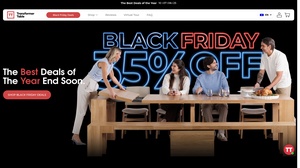
Domínio: transformertable.com
Registrado: 2014 (11 anos)
Introdução: Conjuntos de jantar externos extensíveis projetados para a vida moderna, com capacidade para 2 a 12 pessoas. Disponível em quatro configurações: O prático, O anfitrião, A reunião e A família. Fabricados com materiais de qualidade superior e resistentes às intempéries. Os recursos incluem design modular, funcionalidade que economiza espaço e ajustes fáceis para várias ocasiões ao ar livre. Cada conjunto inclui peças complementares, como bancos e...
2. Hineighbor - Coleção de móveis para refeições ao ar livre
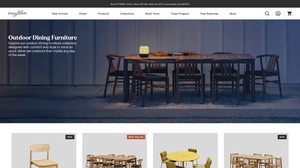
Domínio: hineighbor.com
Registrado: 1998 (27 anos)
Introdução: Coleção de móveis para refeições ao ar livre projetada para proporcionar conforto e estilo. Os principais produtos incluem: 1. Nova cadeira de jantar Keeper (conjunto de 2 peças) - $950 2. Conjunto de jantar Haven mais vendido - $5.025 (originalmente $5.350) 3. Conjunto de jantar XY - $3.990 4. Novo conjunto de jantar Felloe - $5.900 5. Mesa de jantar Haven - $2.207 (originalmente $2.350) 6. Cadeira de jantar XY (conjunto de 2) - $850 7. Nova cadeira de jantar Felloe (conjunto de 2 peças) - $1.000 8. Nova Pe...
3. Terra Outdoor - Móveis de jantar contemporâneos
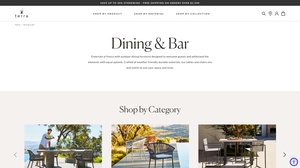
Domínio: terraoutdoor.com
Registrado: 2006 (19 anos)
Introdução: Móveis e conjuntos contemporâneos para refeições ao ar livre projetados para durabilidade e estilo. As principais categorias incluem mesas de jantar, cadeiras de jantar, móveis de bar e bancos de jantar. Os produtos são fabricados com materiais que não agridem o clima, como alumínio, teca e vime. As coleções notáveis incluem Belvedere, Olema, Cavallo e Del Mar, com itens como mesas de jantar extensíveis, cadeiras de bar e braços de jantar.
4. Trex Furniture - Conjuntos de jantar para todos os climas
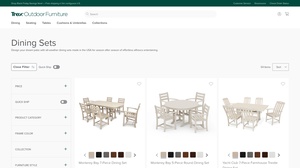
Domínio: trexfurniture.com
Registrado: 2009 (16 anos)
Introdução: Aparelhos de jantar: Conjuntos de jantar para todos os climas fabricados nos EUA para entretenimento ao ar livre sem esforço. Os recursos incluem:
- Cores da moldura: Preto-carvão, Branco clássico, Dossel da floresta tropical, Castelo de areia, Pedra de escalada, Casa na árvore, Lanterna vintage.
- Coleções: Cape Cod (21 produtos), Monterey Bay (12 produtos), Yacht Club (21 produtos).
- Estilos de móveis: Clássico (23 produtos), Moderno (11 produtos).
- Mar...
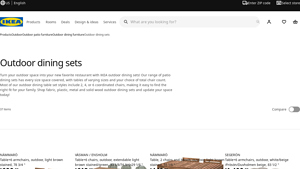
5. IKEA - Mesa NÄMMARÖ + 6 poltronas
Domínio: ikea.com
Registrado: 1995 (30 anos)
Introdução: Conjuntos para refeições ao ar livre disponíveis em vários tamanhos e estilos, incluindo opções para 2, 4 ou 6 cadeiras coordenadas. Os materiais incluem tecido, plástico, metal e madeira maciça. Os principais produtos incluem: 1. Mesa NÄMMARÖ + 6 poltronas, marrom claro manchado, 78 3/4″, $699,99 2. VÄSMAN / ENSHOLM Mesa + 6 cadeiras, extensível, marrom claro manchado/verde, 53 1/8/74 3/4×29 1/8″, $619.99 3. SEGERÖN Mesa + 6 poltronas, branco, $699.99
Conclusão e perspectiva de fornecimento estratégico para mesas e bancos de móveis para áreas externas
À medida que o mercado de móveis para áreas externas evolui, o fornecimento estratégico continua sendo fundamental para os compradores B2B que buscam aprimorar suas ofertas. As principais conclusões incluem a crescente demanda por produtos versáteis e resistentes a intempéries que possam se adaptar a vários ambientes externos, desde reuniões familiares íntimas até grandes celebrações. Compreender as preferências regionais é fundamental; por exemplo, os compradores da África e do Oriente Médio podem priorizar a durabilidade e o estilo que resistem a condições climáticas extremas, enquanto os compradores europeus podem se concentrar na sustentabilidade e na estética do design.
Investir em móveis modulares de alta qualidade para áreas externas, como mesas extensíveis e bancos complementares, não apenas atende às necessidades dos consumidores, mas também otimiza o espaço em diversos ambientes. Além disso, estabelecer relacionamentos sólidos com fornecedores confiáveis pode garantir qualidade consistente e entrega pontual, aumentando a satisfação do cliente.
Olhando para o futuro, os compradores internacionais devem se manter ágeis, prontos para aproveitar as tendências em design e vida ao ar livre. À medida que os espaços ao ar livre se tornam extensões de casas e locais, a demanda por móveis funcionais e elegantes continuará a crescer. Envolva-se com fabricantes inovadores e explore parcerias que se alinhem às suas metas comerciais para se manter à frente nesse mercado dinâmico. O futuro do fornecimento de móveis para áreas externas é brilhante - aproveite a oportunidade para elevar suas ofertas hoje mesmo.
Isenção de responsabilidade e termos de uso importantes
⚠️ Isenção de responsabilidade importante
As informações fornecidas neste guia, inclusive o conteúdo referente a fabricantes, especificações técnicas e análise de mercado, são apenas para fins informativos e educacionais. Elas não constituem aconselhamento profissional sobre compras, aconselhamento financeiro ou aconselhamento jurídico.
Embora tenhamos feito todos os esforços para garantir a precisão e a atualidade das informações, não nos responsabilizamos por erros, omissões ou informações desatualizadas. As condições de mercado, os detalhes da empresa e os padrões técnicos estão sujeitos a alterações.
Os compradores B2B devem realizar sua própria due diligence independente e completa antes de tomar qualquer decisão de compra. Isso inclui entrar em contato diretamente com os fornecedores, verificar as certificações, solicitar amostras e buscar consultoria profissional. O risco de confiar em qualquer informação contida neste guia é de responsabilidade exclusiva do leitor.


 Portuguese
  English
  Russian
  Arabic
  Japanese
  German
  Spanish
  Afrikaans
  Greek
Greek  Italian
  Thai
Thai  French