
Introduction: Navigating the Global Market for outdoor metal bench
In the competitive landscape of international B2B procurement, sourcing outdoor metal benches presents unique challenges, particularly for businesses in diverse markets such as Africa, South America, the Middle East, and Europe. Buyers often grapple with the need for durable, aesthetically pleasing solutions that can withstand various environmental conditions while also fulfilling specific functional requirements. This guide is designed to navigate these complexities, offering a comprehensive overview of outdoor metal benches, including the various types available, their applications, supplier vetting processes, and cost considerations.
Within these pages, B2B buyers will discover insights into the different styles of metal benches—from backless designs to classic and contemporary options—ensuring that their choices align with both brand identity and user experience. We will delve into the importance of selecting suppliers who prioritize quality and sustainability, as well as the cost implications of various materials and finishes. By equipping buyers with the knowledge to make informed purchasing decisions, this guide empowers them to enhance their outdoor spaces effectively, whether it be for parks, public areas, or commercial establishments.
With a focus on actionable insights tailored for international markets, this resource aims to streamline the purchasing process, ultimately enabling businesses to invest wisely in outdoor metal benches that not only meet their immediate needs but also contribute to long-term value and satisfaction.
Understanding outdoor metal bench Types and Variations
| Nome do tipo | Principais características distintivas | Aplicativos B2B primários | Prós e contras para compradores |
|---|---|---|---|
| Bancos sem encosto | Simple design, no backrest, enhances visibility | Parks, schools, public spaces | Prós: Space-saving, easy access; Contras: Less comfort for prolonged use. |
| Bancos clássicos com apoio para os braços | Traditional design with added comfort features | Municipalities, gardens, restaurants | Prós: Comfortable, aesthetic appeal; Contras: Requires more maintenance. |
| Bancos modernos de alumínio | Sleek design, lightweight, often corrosion-resistant | Urban settings, contemporary spaces | Prós: Stylish, easy to move; Contras: May not withstand heavy use as well as steel. |
| Eco-Friendly Benches | Made from recycled materials, sustainable manufacturing | Eco-conscious businesses, parks | Prós: Supports sustainability goals; Contras: Potentially higher initial cost. |
| Customizable Benches | Options for colors, finishes, and configurations | Branding opportunities, event spaces | Prós: Tailored to specific needs; Contras: Prazos mais longos para a produção. |
What Are Backless Benches and Where Are They Used?
Backless benches are characterized by their minimalistic design, lacking a backrest, which allows for greater flexibility in seating arrangements. They are ideal for high-traffic areas where visibility is paramount, such as parks, schools, and public spaces. When purchasing backless benches, businesses should consider their placement to ensure they are positioned for optimal utility while balancing comfort and accessibility.
Why Choose Classic Benches with Armrests for Your Business?
Classic benches with armrests offer a timeless aesthetic, making them suitable for various applications, including municipal parks and restaurant patios. The added comfort of armrests enhances user experience, making them ideal for settings where people may sit for extended periods. B2B buyers should evaluate the materials and finishes available, ensuring they align with their brand’s image and maintenance capabilities.
What Makes Modern Aluminum Benches a Popular Choice?
Modern aluminum benches are favored for their sleek, contemporary designs that suit urban environments and contemporary settings. They are lightweight and often corrosion-resistant, making them easy to relocate as needed. Buyers should weigh the aesthetic appeal against the potential for less durability compared to heavier materials like steel, especially in high-use areas.

Illustrative image related to outdoor metal bench
How Do Eco-Friendly Benches Support Sustainability Goals?
Eco-friendly benches are constructed from recycled materials and designed to minimize environmental impact. They are an excellent choice for businesses aiming to enhance their sustainability initiatives, particularly in parks and nature reserves. While they may come with a higher upfront cost, the long-term benefits of promoting environmental responsibility can outweigh the initial investment for many organizations.
Why Consider Customizable Benches for Your Branding Needs?
Customizable benches allow businesses to choose colors, finishes, and configurations that align with their branding or specific event needs. This flexibility makes them suitable for various applications, from corporate events to public installations. B2B buyers should factor in the potential for longer lead times when ordering customized products, ensuring they plan accordingly to meet deadlines.
Key Industrial Applications of outdoor metal bench
| Indústria/Setor | Specific Application of outdoor metal bench | Valor/benefício para a empresa | Principais considerações de fornecimento para este aplicativo |
|---|---|---|---|
| Municipalities | Parques públicos e áreas de recreação | Enhances community engagement and provides durable seating options for citizens. | Look for corrosion-resistant materials suitable for local climates. |
| Instituições educacionais | School playgrounds and outdoor learning spaces | Provides students with a comfortable place to gather, fostering collaboration and socialization. | Ensure benches meet safety standards and can withstand heavy use. |
| Hospitalidade | Outdoor dining areas for restaurants | Expands seating capacity and creates inviting spaces for patrons, enhancing the dining experience. | Prioritize aesthetic appeal and customization options to align with brand image. |
| Centros de transporte | Bus stops and train stations | Offers convenience and comfort for travelers, improving their overall experience. | Consider benches that are easy to maintain and can withstand high traffic. |
| Instalações de saúde | Outdoor waiting areas for hospitals and clinics | Provides patients and visitors with a comfortable place to sit, improving their experience. | Focus on easy-to-clean materials that promote hygiene and safety. |
How Are Outdoor Metal Benches Utilized in Municipalities?
Municipalities often deploy outdoor metal benches in public parks and recreational areas to create inviting spaces for community engagement. These benches not only provide durable seating options but also enhance the aesthetic appeal of public spaces. Local governments benefit from the long-lasting nature of metal benches, which can withstand diverse weather conditions and high foot traffic. For international buyers, especially in regions with varying climates, sourcing benches with corrosion-resistant finishes is crucial to ensure longevity and minimal maintenance.
What Role Do Outdoor Metal Benches Play in Educational Institutions?
In educational settings, outdoor metal benches are commonly found in playgrounds and outdoor learning spaces. They offer students a comfortable gathering spot that encourages collaboration and social interaction. The durability of metal benches makes them ideal for high-traffic areas, ensuring they can handle the wear and tear of daily use. Buyers from educational institutions should prioritize sourcing benches that meet safety standards and are designed for easy installation, facilitating quick setup for outdoor activities.
How Do Outdoor Metal Benches Enhance Hospitality Venues?
For the hospitality industry, outdoor metal benches are essential for creating inviting outdoor dining areas. These benches expand seating capacity while providing a comfortable experience for patrons, which can significantly enhance the overall dining experience. Customization options allow restaurants to align benches with their branding, making them an attractive addition to any outdoor space. When sourcing, hospitality businesses should consider the aesthetic appeal and durability of materials, ensuring they can withstand the rigors of outdoor use.
Why Are Outdoor Metal Benches Important for Transportation Hubs?
Transportation hubs, including bus stops and train stations, utilize outdoor metal benches to improve traveler comfort and convenience. These benches provide a necessary respite for passengers, enhancing their overall experience while waiting for transport. Sourcing benches that can endure high traffic and are easy to maintain is essential for these environments. Buyers should look for designs that are functional yet stylish, contributing positively to the overall atmosphere of transportation facilities.
What Benefits Do Outdoor Metal Benches Offer Healthcare Facilities?
Healthcare facilities often incorporate outdoor metal benches in waiting areas to improve patient and visitor experiences. By providing a comfortable place to sit, these benches can help alleviate stress for those waiting for appointments. Additionally, the use of easy-to-clean materials promotes hygiene, a critical consideration in healthcare settings. Buyers in this sector should focus on sourcing benches that meet health and safety standards while also being durable enough to withstand constant use.
3 Common User Pain Points for ‘outdoor metal bench’ & Their Solutions
Scenario 1: Choosing the Right Style for High-Traffic Areas
O problema: B2B buyers often struggle to select the appropriate style and design of outdoor metal benches that can withstand high-traffic environments. For instance, parks, schools, and public spaces frequently experience heavy usage, which can lead to rapid wear and tear if the benches are not designed for durability. Additionally, aesthetic appeal is crucial; businesses want benches that not only last but also enhance the visual landscape of their facilities.

Illustrative image related to outdoor metal bench
A solução: To ensure longevity and style, buyers should prioritize benches made from high-quality materials like powder-coated steel or aluminum. These materials resist corrosion and fading, making them ideal for outdoor conditions. Furthermore, opting for benches with minimalistic designs can often reduce the number of parts that may fail over time, simplifying maintenance. When sourcing, inquire about the manufacturer’s track record in producing benches for high-traffic areas. Conducting a site assessment to understand foot traffic patterns can also inform the choice of design and placement, ensuring that the benches serve their purpose effectively without compromising on style.
Scenario 2: Addressing Climate Variability and Weather Resistance
O problema: In regions with extreme weather conditions—such as intense heat, heavy rainfall, or snow—B2B buyers face the challenge of selecting outdoor metal benches that can withstand such climate variability. Poorly chosen benches can lead to rust, fading, or structural failure, resulting in additional costs for replacements and repairs. This is particularly pertinent in international markets where climates can differ significantly across regions.
A solução: Buyers should prioritize outdoor metal benches that feature weather-resistant coatings, such as powder coating or galvanization, which provide a protective layer against the elements. It is beneficial to request information on the bench’s performance in various weather conditions from suppliers. Additionally, consider benches designed with features like drainage holes to prevent water accumulation, which can accelerate deterioration. Engaging with manufacturers that provide warranties or guarantees for their products in specific climates can also offer peace of mind and assurance of quality.
Scenario 3: Ensuring Low Maintenance and Long-Term Cost Efficiency
O problema: Many B2B buyers are concerned about the maintenance requirements and long-term costs associated with outdoor metal benches. Frequent upkeep can become a financial burden, especially for municipalities or businesses that operate on tight budgets. Buyers need solutions that are cost-effective over the lifespan of the product without sacrificing quality.
A solução: To mitigate maintenance costs, choose benches designed with low-maintenance features, such as smooth surfaces that are easy to clean and materials that resist staining and fading. Metal benches with a finish that is easy to wipe down and does not require frequent repainting or refinishing can significantly reduce labor and material costs over time. Additionally, sourcing benches that utilize eco-friendly materials can enhance a company’s sustainability profile while potentially qualifying for government incentives or grants aimed at promoting green initiatives. Buyers should also explore bulk purchasing options or contracts with suppliers that allow for future purchases at a negotiated price, ensuring cost control and predictability in budgeting.

Illustrative image related to outdoor metal bench
Strategic Material Selection Guide for outdoor metal bench
When selecting materials for outdoor metal benches, it is essential to consider various factors that influence performance, durability, and overall suitability for specific environments. Here, we analyze four common materials used in the manufacturing of outdoor metal benches: steel, aluminum, cast iron, and stainless steel. Each material has unique properties, advantages, and disadvantages that can significantly impact their application in different regions, particularly for international B2B buyers from Africa, South America, the Middle East, and Europe.
What Are the Key Properties of Steel for Outdoor Metal Benches?
Steel is renowned for its strength and durability, making it a popular choice for outdoor benches. It can withstand high traffic and adverse weather conditions, but it is susceptible to corrosion if not properly treated. The typical temperature and pressure ratings for steel are robust, allowing it to endure various environmental stresses. However, its weight can be a disadvantage for mobility and installation.
Prós: Steel benches are often more affordable than other metals, providing excellent value for high-volume purchases. They can be powder-coated or galvanized to enhance corrosion resistance and aesthetic appeal.
Contras: Without protective coatings, steel can rust, especially in humid or coastal areas. Additionally, its heavier weight can complicate transportation and installation.
How Does Aluminum Compare for Outdoor Metal Benches?
Aluminum is lightweight and naturally resistant to corrosion, making it an ideal choice for outdoor applications. Its thermal properties allow it to remain cool in hot climates, which is particularly beneficial in regions like the Middle East and parts of Africa.
Prós: The lightweight nature of aluminum makes it easy to transport and install. It also requires minimal maintenance, as it does not rust and can withstand extreme weather conditions.
Contras: Aluminum is generally less durable than steel, making it more prone to dents and scratches. It can also be more expensive, particularly for high-quality grades.

Illustrative image related to outdoor metal bench
What Are the Benefits of Cast Iron for Outdoor Metal Benches?
Cast iron is celebrated for its aesthetic appeal and traditional look, often used in decorative benches. It offers excellent durability and can withstand heavy loads, making it suitable for high-traffic areas.
Prós: The unique designs available in cast iron can enhance the visual appeal of public spaces. Its weight provides stability, reducing the likelihood of being moved or vandalized.
Contras: Cast iron is prone to rust if not properly coated and maintained. Its heavy weight can also complicate installation and relocation.

Illustrative image related to outdoor metal bench
Why Choose Stainless Steel for Outdoor Metal Benches?
Stainless steel is known for its exceptional corrosion resistance and modern aesthetic. It is ideal for environments that require high hygiene standards, such as parks and public spaces.
Prós: Stainless steel is incredibly durable and resistant to rust and corrosion. Its sleek appearance can enhance the modern look of outdoor settings.
Contras: The cost of stainless steel can be significantly higher than other materials. Additionally, it can become hot to the touch in direct sunlight, which may deter users in warmer climates.

Illustrative image related to outdoor metal bench
Summary of Material Selection for Outdoor Metal Benches
| Material | Typical Use Case for outdoor metal bench | Principais vantagens | Principais desvantagens/limitações | Custo relativo (baixo/médio/alto) |
|---|---|---|---|---|
| Aço | High-traffic public parks | Excellent durability and strength | Susceptible to rust without coating | Médio |
| Alumínio | Coastal areas and modern settings | Leve e resistente à corrosão | Menos durável que o aço | Alta |
| Ferro fundido | Decorative benches in public spaces | Aesthetic appeal and stability | Prone to rust and heavy | Médio |
| Aço inoxidável | High-hygiene environments | Excepcional resistência à corrosão | Higher cost and heat retention | Alta |
In conclusion, selecting the right material for outdoor metal benches involves understanding the specific needs of the environment and the intended use. By considering factors such as durability, maintenance, aesthetics, and cost, international B2B buyers can make informed decisions that align with their operational requirements and regional preferences.
In-depth Look: Manufacturing Processes and Quality Assurance for outdoor metal bench
Quais são as principais etapas do processo de fabricação de bancos de metal para uso externo?
Manufacturing outdoor metal benches involves several critical stages that ensure the final product meets durability, aesthetic, and functional standards. The main processes include material preparation, forming, assembly, and finishing.
How Is Material Prepared for Outdoor Metal Benches?
The manufacturing journey begins with the selection of high-quality raw materials, typically steel or aluminum, due to their strength and resistance to outdoor elements. The material is subjected to rigorous quality checks to ensure it meets the required specifications. This includes verifying the alloy composition and assessing the material for any defects or inconsistencies.

Illustrative image related to outdoor metal bench
After quality verification, the materials are cut into predetermined dimensions using advanced cutting technologies such as plasma cutting or laser cutting. This precision ensures that each component fits together seamlessly during assembly, which is crucial for both structural integrity and aesthetic appeal.
What Techniques Are Used to Form Outdoor Metal Benches?
The forming stage involves shaping the cut materials into the required profiles. Techniques such as bending, stamping, and welding are commonly employed. Bending machines or hydraulic presses are used to create curves or angles, particularly in bench designs that feature ergonomic or artistic elements.
Welding is a crucial process for joining various components of the bench. This can involve MIG (Metal Inert Gas) or TIG (Tungsten Inert Gas) welding, both of which ensure strong, durable joints. The choice of welding technique often depends on the material type and thickness, with MIG being more common for thicker metals.
How Are Outdoor Metal Benches Assembled?
Once the individual components are formed, they move to the assembly stage. This process can be manual or automated, depending on the production scale and complexity of the design. Workers carefully align and secure parts, using bolts, screws, or additional welding as needed. This stage is critical in ensuring that the benches are stable and safe for use in high-traffic environments.

Illustrative image related to outdoor metal bench
Quality checks are performed during assembly to catch any issues before the benches move to the finishing stage. These checks often include visual inspections and measurements to ensure adherence to design specifications.
What Finishing Techniques Are Applied to Outdoor Metal Benches?
The finishing stage enhances both the appearance and longevity of the benches. Common techniques include powder coating, painting, and galvanizing. Powder coating, in particular, is favored for its durability and resistance to chipping, fading, and corrosion. This involves applying a dry powder that is then cured under heat to form a hard finish.
Additionally, benches may undergo treatments to improve their weather resistance, such as anti-corrosion coatings or rust inhibitors. This is especially important for products intended for markets with harsh weather conditions, ensuring the benches maintain their structural integrity and aesthetic appeal over time.
What Quality Assurance Measures Are Essential in Outdoor Metal Bench Manufacturing?
Quality assurance (QA) is a vital aspect of the manufacturing process, ensuring that outdoor metal benches meet international and industry-specific standards.

Illustrative image related to outdoor metal bench
Which International Standards Should B2B Buyers Consider for Quality Assurance?
B2B buyers should be aware of relevant international standards such as ISO 9001, which focuses on quality management systems, and ISO 14001 for environmental management. Compliance with these standards indicates that a manufacturer has established processes for maintaining quality and sustainability.
In addition to ISO standards, specific industry certifications like CE marking (which indicates compliance with health, safety, and environmental protection standards in the European Economic Area) and API (American Petroleum Institute) standards may be applicable depending on the intended use of the benches.
Quais são os principais pontos de verificação do controle de qualidade durante a fabricação?
Quality control checkpoints are essential at various stages of the manufacturing process, including:

Illustrative image related to outdoor metal bench
- Controle de qualidade de entrada (IQC): Isso envolve a inspeção de matérias-primas na chegada para garantir que elas atendam aos padrões especificados.
- Controle de qualidade durante o processo (IPQC): Ongoing checks during the manufacturing process help identify and rectify issues early. This includes monitoring welding quality, dimensional accuracy, and surface finishes.
- Controle de qualidade final (FQC): The final inspection occurs before the benches are packaged and shipped. This check verifies that the finished products conform to design specifications and quality standards.
Common testing methods include tensile strength testing, corrosion resistance tests, and visual inspections for defects.
Como os compradores B2B podem verificar as práticas de controle de qualidade do fornecedor?
B2B buyers looking to ensure quality in their supply chain should consider several verification methods.
What Steps Can Buyers Take to Audit Suppliers’ Quality Control Processes?
-
Auditorias de fornecedores: Conducting on-site audits allows buyers to assess the manufacturing processes, quality control measures, and compliance with international standards firsthand. This can include reviewing documentation of quality processes and observing production lines.
-
Solicitação de relatórios de qualidade: Suppliers should provide documentation of their quality assurance processes, including certifications, testing results, and inspection reports. This transparency is crucial for building trust and ensuring compliance with international standards.
-
Inspeções de terceiros: Engaging third-party inspection services can provide an unbiased assessment of the supplier’s quality control practices. These services often include thorough evaluations of production processes, materials, and finished products.
Que nuances os compradores internacionais devem considerar em relação ao controle de qualidade?
For international buyers, particularly those from regions such as Africa, South America, the Middle East, and Europe, there are additional considerations regarding quality control.
How Do Regional Standards Impact Quality Assurance for Outdoor Metal Benches?
Different regions may have varying standards and regulations affecting outdoor metal products. For instance, European buyers must ensure compliance with CE marking, while buyers in the Middle East may need to adhere to specific local standards. Understanding these nuances is critical for ensuring that products not only meet buyer expectations but also comply with local regulations.
Additionally, cultural differences in business practices can impact supplier relationships. Clear communication regarding quality expectations, standards, and inspection processes can help mitigate misunderstandings and ensure that products meet the required quality benchmarks.
By understanding the intricacies of the manufacturing processes and quality assurance measures, B2B buyers can make informed decisions, ensuring that the outdoor metal benches they procure will meet their needs for durability, safety, and aesthetic appeal.
Practical Sourcing Guide: A Step-by-Step Checklist for ‘outdoor metal bench’
When sourcing outdoor metal benches for your business, it’s essential to follow a structured approach to ensure you select the right products that meet your needs. This guide provides a comprehensive checklist to assist B2B buyers in making informed decisions.
Etapa 1: Defina suas especificações técnicas
Before initiating the sourcing process, clearly outline your requirements. Consider factors such as size, material (e.g., steel, aluminum), design (backless, with armrests), and intended use (high-traffic public areas vs. private gardens). This step is critical as it ensures that the benches will meet the functional and aesthetic needs of your project.
- Tamanho e capacidade: Determine the number of users and the space available.
- Durabilidade do material: Choose materials that withstand environmental conditions relevant to your location.
Etapa 2: Pesquisar tendências e inovações do mercado
Stay informed about the latest trends in outdoor seating solutions. Understanding what’s popular in different regions can help you select benches that appeal to your target audience. Innovations, such as eco-friendly materials and ergonomic designs, can enhance the value of your offering.

Illustrative image related to outdoor metal bench
- Sustentabilidade: Look for suppliers offering benches made from recycled materials.
- Tendências de design: Consider contemporary styles that align with current consumer preferences.
Etapa 3: Avaliar fornecedores em potencial
Conduct thorough research to identify reliable suppliers. Request company profiles, product catalogs, and references from existing clients in similar markets. This vetting process helps ensure you partner with a reputable manufacturer that can deliver quality products.
- Histórico do fornecedor: Investigate the supplier’s history, market reputation, and customer feedback.
- Garantia de qualidade: Check if the supplier has certifications (e.g., ISO) that verify their manufacturing processes.
Etapa 4: Solicitar amostras e especificações
Before finalizing your order, request samples of the benches you are considering. This allows you to assess the quality, finish, and comfort firsthand. Reviewing detailed specifications ensures that the products align with your defined requirements.
- Material Samples: Evaluate the durability and aesthetic appeal of different finishes.
- Teste de conforto: Ensure the design meets user comfort standards for public seating.
Etapa 5: Negociar preços e termos
Once you have selected potential suppliers and evaluated their offerings, initiate negotiations. Discuss pricing, payment terms, and delivery timelines. This step is crucial for securing the best value while ensuring that all parties understand the terms of the agreement.
- Descontos em massa: Informe-se sobre descontos nos preços para pedidos maiores.
- Entrega e prazos de entrega: Confirm how long it will take for the benches to be delivered after the order is placed.
Etapa 6: Assess After-Sales Support and Warranty
Understanding the after-sales support offered by the supplier can be a deciding factor. Inquire about warranties, maintenance guidelines, and customer service availability. A strong after-sales program can save you time and money in the long run.
- Warranty Length: Look for suppliers offering substantial warranties on their products.
- Suporte ao cliente: Ensure that assistance is available for any issues that may arise post-purchase.
Etapa 7: Finalize Your Order and Monitor Delivery
After all terms are agreed upon, finalize your order. Maintain communication with your supplier to monitor the delivery process. This proactive approach helps you manage expectations and prepares you for receiving the product.
- Confirmação do pedido: Ensure all specifications are documented and confirmed.
- Delivery Tracking: Request tracking information to stay updated on your order status.
By following this checklist, B2B buyers can streamline their sourcing process for outdoor metal benches, ensuring they select the best products for their specific needs while fostering strong supplier relationships.
Comprehensive Cost and Pricing Analysis for outdoor metal bench Sourcing
What Are the Key Cost Components in Sourcing Outdoor Metal Benches?
When sourcing outdoor metal benches, it is crucial to understand the various cost components that contribute to the overall pricing structure. These components typically include materials, labor, manufacturing overhead, tooling, quality control (QC), logistics, and profit margins.
-
Materiais: The choice of materials significantly affects the cost. Common materials include steel, aluminum, and eco-friendly composites. Steel tends to be more affordable but may require additional treatment for corrosion resistance, which adds to the cost. Aluminum, while pricier, offers lightweight durability and resistance to rust, making it a popular choice for outdoor applications.
-
Trabalho: Labor costs can vary based on the region and the complexity of the design. Custom benches may require skilled labor for intricate designs, which can increase costs.
-
Custos indiretos de fabricação: This encompasses costs related to equipment, facilities, and utilities. Efficient manufacturing processes can help mitigate these costs, providing more competitive pricing.
-
Ferramentas: Initial tooling costs can be substantial, especially for custom designs. Manufacturers may pass these costs onto buyers, particularly for low-volume orders.
-
Controle de qualidade (QC): Ensuring that benches meet quality standards is vital, especially for international buyers concerned about certifications and durability. Investing in rigorous QC processes can increase upfront costs but may reduce returns and replacements down the line.
-
Logística: Transportation costs can vary significantly based on distance and shipping methods. For international buyers, factors such as customs duties and tariffs also play a critical role in the final cost.
-
Margem: Suppliers typically add a profit margin that reflects their operational costs and market positioning. Understanding the standard margins in the industry can help buyers gauge whether a quoted price is fair.
How Do Pricing Influencers Affect Outdoor Metal Bench Costs?
Several factors influence the pricing of outdoor metal benches. Understanding these can aid buyers in making informed decisions.
-
Volume/MOQ: Larger orders often result in lower per-unit costs due to economies of scale. Buyers should consider negotiating minimum order quantities (MOQs) to leverage better pricing.
-
Especificações e personalização: Custom features such as unique designs, colors, or branding can increase costs. Buyers should weigh the benefits of customization against their budget constraints.
-
Seleção de materiais: The choice between standard and premium materials can significantly affect pricing. High-quality, durable materials may have a higher initial cost but could offer better long-term value.
-
Qualidade e certificações: Compliance with international quality standards can influence pricing. Buyers in regions with stringent regulations, such as Europe, may need to pay more for certified products.
-
Fatores do fornecedor: The reputation and reliability of the supplier can also impact pricing. Established suppliers may charge a premium for their quality assurance and customer service.
-
Incoterms: Understanding the Incoterms (International Commercial Terms) agreed upon in the contract is crucial. Terms like FOB (Free On Board) or CIF (Cost, Insurance, and Freight) can affect the total cost, as they dictate who bears shipping and insurance costs.
What Are Effective Buyer Tips for Cost-Efficiency in Metal Bench Sourcing?
Navigating the procurement of outdoor metal benches can be complex, particularly for international buyers. Here are some actionable tips to enhance cost-efficiency:
-
Negociar: Don’t hesitate to negotiate prices and terms with suppliers. Building a relationship can lead to better deals and potential discounts for repeat business.
-
Considere o custo total de propriedade (TCO): Evaluate not just the purchase price but also the long-term costs associated with maintenance, durability, and potential replacements. Investing in higher-quality benches can lead to significant savings over time.
-
Stay Informed on Pricing Nuances: Be aware of market fluctuations in materials and labor costs that could affect pricing. Keeping abreast of trends can help in timing purchases effectively.
-
Alavancar parcerias locais: Establishing relationships with local distributors or manufacturers can reduce shipping costs and lead to quicker turnaround times, particularly important for buyers in regions like Africa and South America.
-
Solicitar amostras: Before committing to a large order, request samples to assess quality and suitability. This can prevent costly mistakes and ensure the product meets expectations.
In conclusion, understanding the cost structure and pricing influences is essential for international B2B buyers of outdoor metal benches. By employing strategic sourcing methods and leveraging supplier relationships, businesses can achieve more favorable outcomes in their procurement processes.
Alternatives Analysis: Comparing outdoor metal bench With Other Solutions
Exploring Alternatives to Outdoor Metal Benches
In the realm of outdoor seating solutions, businesses often seek versatile options that align with their unique requirements. While outdoor metal benches are popular for their durability and aesthetic appeal, it’s essential to explore alternative solutions that may better suit specific environments and budgets. This analysis compares outdoor metal benches with alternative seating options, including wooden benches and plastic composite benches, to help B2B buyers make informed decisions.
| Aspecto de comparação | Banco de metal para área externa | Banco de madeira | Plastic Composite Bench |
|---|---|---|---|
| Desempenho | High durability, weather-resistant, and low maintenance | Good durability but can rot or warp in harsh conditions | Highly resistant to weather and UV rays, low maintenance |
| Custo | Moderate to high, varies by style and material | Generally lower initial cost but may require more maintenance | Mid-range pricing, often more cost-effective over time |
| Facilidade de implementação | Requires proper installation for stability | Easy to assemble, but heavy and may require anchors | Lightweight and easy to install; often comes pre-assembled |
| Manutenção | Low maintenance, needs occasional cleaning | Requires regular sealing and protection against elements | Minimal maintenance; resistant to staining and fading |
| Melhor caso de uso | High-traffic areas, parks, and commercial spaces | Residential gardens, parks, and rustic settings | Public spaces, commercial environments, and coastal areas |
What Are the Pros and Cons of Wooden Benches?
Wooden benches are a classic choice, often appreciated for their natural aesthetics and comfort. They are generally less expensive upfront compared to metal benches, making them attractive for budget-conscious buyers. However, wood requires regular maintenance, including sealing and treatment to prevent rot and warping, especially in extreme weather conditions. In high-traffic areas, they may not withstand the test of time as well as metal options, making them less ideal for commercial applications.

Illustrative image related to outdoor metal bench
How Do Plastic Composite Benches Compare?
Plastic composite benches offer a modern alternative with a blend of plastic and wood fibers, providing the look of wood without the associated maintenance challenges. They are highly resistant to weather conditions and UV exposure, making them suitable for outdoor environments. While their initial cost may be similar to metal benches, their low maintenance requirements can lead to cost savings over time. However, some buyers may find them less aesthetically pleasing than traditional wood or metal options.
Conclusion: How Can B2B Buyers Select the Right Seating Solution?
When selecting an outdoor seating solution, B2B buyers should carefully consider their specific needs, including the environment in which the benches will be placed, budget constraints, and maintenance capabilities. Outdoor metal benches stand out for their durability and aesthetic flexibility, making them ideal for high-traffic areas. However, wooden and plastic composite benches also present viable alternatives depending on budget, style preferences, and maintenance resources. Evaluating these factors will empower buyers to choose the most effective solution for their outdoor seating needs.
Essential Technical Properties and Trade Terminology for outdoor metal bench
What Are the Key Technical Properties of Outdoor Metal Benches?
When selecting outdoor metal benches for commercial use, several critical specifications should be considered to ensure longevity, safety, and functionality in diverse environments.
1. Grau do material
The material grade of an outdoor metal bench typically refers to the type of metal used, such as aluminum, steel, or cast iron. High-grade materials like galvanized steel or aluminum alloys offer superior strength and resistance to corrosion. For B2B buyers, choosing the right material grade is essential, as it directly affects the bench’s durability, maintenance requirements, and overall lifecycle costs.
2. Tipo de acabamento
Finish types include powder coating, anodizing, or galvanization. Powder coating provides a protective layer that enhances resistance to scratches, fading, and rust, making it ideal for outdoor settings. A well-applied finish not only extends the product’s lifespan but also contributes to its aesthetic appeal, which is critical in high-visibility areas. B2B buyers should prioritize finishes that align with their brand image and environmental conditions.
3. Capacidade de carga
The load capacity of a bench indicates how much weight it can safely support, typically measured in kilograms or pounds. For commercial applications, understanding load capacity is vital to ensure that the benches can accommodate expected user traffic without compromising safety. In high-traffic areas, opting for benches with a higher load capacity can prevent accidents and liability issues.
4. Dimensões e tolerâncias
Benches come in various dimensions, including length, width, and height, which can affect their usability and placement in designated areas. Tolerances refer to the allowable variations in these dimensions during manufacturing. Accurate dimensions ensure that benches fit seamlessly into the intended space, while proper tolerances maintain structural integrity. B2B buyers should consider these specifications to ensure compatibility with existing layouts.

Illustrative image related to outdoor metal bench
5. Resistência ambiental
This property encompasses the bench’s ability to withstand weather conditions, such as UV exposure, humidity, and temperature fluctuations. Features like rust resistance and UV stabilization are particularly important for outdoor benches. Understanding environmental resistance helps buyers select benches that will remain functional and visually appealing over time, reducing the need for replacements.
Which Trade Terms Are Essential in the Outdoor Metal Bench Industry?
In navigating the procurement process for outdoor metal benches, familiarity with specific trade terminology is crucial for effective communication and decision-making.
1. OEM (fabricante original do equipamento)
OEM refers to a company that produces parts or equipment that may be marketed by another manufacturer. In the context of outdoor benches, OEM suppliers often provide custom designs or specifications that align with a buyer’s unique requirements. B2B buyers can leverage OEM relationships to access tailored solutions and improve branding opportunities.
2. MOQ (Quantidade mínima de pedido)
MOQ is the smallest quantity of a product that a supplier is willing to sell. Understanding MOQ is essential for budget planning and inventory management. For B2B buyers, negotiating MOQs can lead to cost savings and efficient stock levels, particularly for large-scale purchases.

Illustrative image related to outdoor metal bench
3. RFQ (Request for Quotation, solicitação de cotação)
An RFQ is a formal document sent to suppliers requesting a detailed price quote for specific products or services. In the outdoor bench market, an RFQ allows buyers to compare offers from multiple manufacturers, ensuring they make informed purchasing decisions based on quality and pricing.
4. Incoterms (Termos Comerciais Internacionais)
Incoterms define the responsibilities of buyers and sellers in international transactions, covering aspects like shipping, insurance, and delivery. Familiarity with Incoterms helps B2B buyers understand their obligations and risks during the procurement process, facilitating smoother transactions across borders.
5. Prazo de entrega
Lead time refers to the duration between placing an order and receiving the product. For outdoor metal benches, lead times can vary based on manufacturing capabilities and shipping logistics. Knowing the lead time is crucial for B2B buyers to plan installation and deployment effectively, ensuring that projects remain on schedule.
Understanding these technical properties and trade terms will empower B2B buyers to make informed decisions when sourcing outdoor metal benches, ultimately enhancing their operational efficiency and customer satisfaction.
Navigating Market Dynamics and Sourcing Trends in the outdoor metal bench Sector
What Are the Key Market Trends Influencing the Outdoor Metal Bench Sector?
The outdoor metal bench market is experiencing significant growth, driven by urbanization, public space development, and an increasing demand for durable outdoor furnishings. As cities expand, there is a need for functional and aesthetic outdoor seating solutions in parks, commercial areas, and residential complexes. The trend toward multifunctional spaces encourages the use of versatile designs that can cater to various user needs, from relaxation to social interaction.
Emerging technologies are reshaping the sourcing landscape for international B2B buyers. Digital platforms and e-commerce solutions are streamlining procurement processes, enabling buyers from regions such as Africa, South America, the Middle East, and Europe to access a global marketplace. Additionally, the integration of data analytics allows businesses to make informed decisions regarding inventory management and supplier selection, ensuring that they meet market demands effectively.
Sustainability is also a key driver in the outdoor metal bench sector. Buyers are increasingly prioritizing suppliers who implement eco-friendly practices, such as using recycled materials and low-impact manufacturing processes. The growing emphasis on design and aesthetics further complements this trend, as modern consumers seek benches that are not only functional but also visually appealing. As a result, manufacturers are innovating with diverse styles and finishes to cater to varying regional tastes and preferences.
How Is Sustainability Shaping the Sourcing of Outdoor Metal Benches?
Sustainability has become a cornerstone of the outdoor metal bench market, influencing purchasing decisions among B2B buyers. The environmental impact of manufacturing processes is under scrutiny, prompting businesses to seek suppliers who prioritize ethical practices. Sourcing from manufacturers that utilize recycled metals and eco-friendly coatings can significantly reduce the carbon footprint associated with outdoor furniture production.

Illustrative image related to outdoor metal bench
Furthermore, certifications such as LEED (Leadership in Energy and Environmental Design) and BREEAM (Building Research Establishment Environmental Assessment Method) are gaining traction, providing buyers with assurance regarding the sustainability of their purchases. These certifications indicate adherence to stringent environmental standards, making it easier for buyers to align their procurement strategies with corporate sustainability goals.
The importance of ethical supply chains cannot be overstated. Buyers are increasingly aware of the social implications of their sourcing choices, leading to a preference for manufacturers that demonstrate transparency and accountability in their operations. By investing in ethically sourced products, businesses not only enhance their brand reputation but also contribute to a positive impact on communities and the environment.
What Historical Developments Have Influenced the Outdoor Metal Bench Market?
The evolution of outdoor metal benches dates back to the mid-19th century when cast iron became a popular material due to its durability and aesthetic appeal. Initially used in public parks and gardens, these benches symbolized the growing importance of leisure spaces in urban planning. The introduction of galvanized steel in the 20th century marked a significant advancement, offering enhanced resistance to corrosion and weathering.
In recent decades, the focus has shifted toward combining functionality with design, as manufacturers strive to create benches that are not only robust but also visually appealing. The rise of eco-conscious consumerism has further propelled innovations in materials and manufacturing techniques, leading to a surge in demand for sustainable options. This historical context underscores the ongoing transformation of the outdoor metal bench sector, as it adapts to meet the evolving needs of B2B buyers in a global marketplace.
In summary, understanding the market dynamics, sustainability trends, and historical developments in the outdoor metal bench sector is crucial for international B2B buyers. By leveraging these insights, businesses can make informed sourcing decisions that align with their operational goals and environmental commitments.

Illustrative image related to outdoor metal bench
Frequently Asked Questions (FAQs) for B2B Buyers of outdoor metal bench
-
1. How do I choose the right outdoor metal bench for my business needs?
Choosing the right outdoor metal bench involves assessing your specific requirements such as the intended use, location, and aesthetic preferences. Consider factors like the material (steel, aluminum, or cast iron), design (backless, traditional, or modern), and durability for high-traffic areas. Additionally, evaluate customization options to align with your branding and the environment. Engaging with suppliers who offer a variety of styles can help you find a bench that not only meets functional needs but also enhances the visual appeal of your space. -
2. What are the advantages of sourcing outdoor metal benches from international suppliers?
Sourcing outdoor metal benches from international suppliers can provide access to a broader range of designs, materials, and competitive pricing. Many international manufacturers have established quality control measures and can offer eco-friendly options. Additionally, you may find unique styles that cater to local tastes or trends in your region. However, it’s essential to conduct thorough due diligence on the supplier’s reputation, certifications, and customer reviews to ensure reliability and quality. -
3. How can I ensure the quality of outdoor metal benches when sourcing internationally?
To ensure the quality of outdoor metal benches, begin by vetting suppliers through references, certifications, and quality assurance processes. Request samples to evaluate material and craftsmanship before placing bulk orders. Additionally, consider third-party inspections or audits for large shipments to verify compliance with your quality standards. Engaging with suppliers who have a transparent production process and are willing to share quality documentation can further safeguard your investment. -
4. What customization options should I consider for outdoor metal benches?
Customization options for outdoor metal benches can include color finishes, size variations, and design modifications such as armrests or backs. Some suppliers offer branding capabilities, allowing you to incorporate logos or specific design elements that resonate with your company’s identity. Discuss your needs with potential suppliers to determine the extent of customization available, as well as any associated costs or minimum order quantities that may apply. -
5. What are the typical minimum order quantities (MOQs) for outdoor metal benches?
Minimum order quantities (MOQs) for outdoor metal benches can vary significantly based on the supplier and the type of product. Generally, MOQs range from as low as 10 units to several hundred for custom designs. It’s advisable to clarify MOQs during initial discussions with suppliers, as some may offer flexibility based on your specific needs or the potential for ongoing business relationships. Understanding MOQs is crucial for budgeting and inventory planning. -
6. What payment terms should I expect when sourcing outdoor metal benches?
Payment terms for outdoor metal benches can vary widely among suppliers. Common arrangements include partial upfront payments (often 30-50%) with the balance due upon delivery or before shipment. Some suppliers may offer net payment terms (e.g., net 30 or net 60) based on established relationships. It’s essential to negotiate terms that align with your cash flow needs while ensuring that you have adequate protection for your investment. Always request invoices that clearly outline payment schedules and conditions. -
7. How can I manage logistics and shipping for international orders of outdoor metal benches?
Managing logistics for international orders involves coordinating with suppliers to determine shipping methods, timelines, and costs. It’s crucial to select reliable freight forwarders or logistics partners who specialize in international shipping to handle customs clearance and delivery. Be aware of potential tariffs and regulations in your country that may affect shipping costs. Additionally, consider arranging insurance for your shipment to protect against loss or damage during transit. -
8. What are the best practices for maintaining outdoor metal benches?
Maintaining outdoor metal benches is essential for longevity and aesthetics. Regular cleaning with mild soap and water can prevent the buildup of dirt and debris. Inspect the benches periodically for signs of rust or damage, especially in areas with harsh weather conditions. Applying protective coatings or rust inhibitors can enhance durability, while promptly addressing any issues can extend the life of the benches. Establishing a maintenance schedule can help ensure your benches remain in excellent condition for years to come.
Top 5 Outdoor Metal Bench Manufacturers & Suppliers List
1. Produtos Barco - Bancos de metal para parques

Domínio: barcoproducts.com
Registrado: 1998 (27 anos)
Introdução: A Barco Products oferece uma variedade de bancos de metal para parques, incluindo bancos sem encosto, designs clássicos e opções de assentos contemporâneos. Os principais recursos incluem:
- Durabilidade: Projetado para ambientes de alto tráfego e várias condições climáticas.
- Baixa manutenção: Fácil de limpar e manter.
– Sustainable Options: Many benches are made using eco-friendly processes.
– Versatile Designs: Available in vario…
2. Painted Sky Designs - Bancos para áreas externas
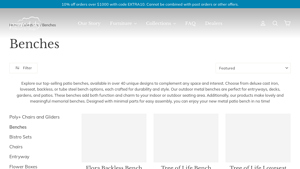
Domínio: paintedskydesigns.com
Registrado: 2004 (21 anos)
Introdução: Outdoor benches available in over 40 unique designs. Types include deluxe cast iron, loveseat, backless, and tube steel benches. Designed for durability and style, suitable for entryways, decks, gardens, and patios. Ideal for both functional and decorative purposes, including memorial benches. Easy assembly with minimal parts. Key products include: Flora Backless Bench ($310), Tree of Life Bench (…
3. The Park Catalog – Metal Benches

Domínio: theparkcatalog.com
Registrado: 2001 (24 anos)
Introdução: Metal benches from The Park Catalog provide an elegant, comfortable and long-lasting place to sit for any outdoor or indoor setting. Built with some of the strongest and most durable materials available, these benches require virtually no maintenance.
4. Plow & Hearth – Outdoor Benches

Domínio: plowhearth.com
Registrado: 1996 (29 anos)
Introdução: Outdoor Benches available: 58 products including various styles and materials such as wood, metal, and PVC. Price range from $169.95 to $449.95. Notable products include Richland Indoor/Outdoor Reclaimed Wood Bench ($449.95), Lutyens Wood Garden Bench ($349.95), Mountain View Metal Garden Bench ($199.95), and ergonomic weatherproof PVC garden bench ($399.95). Options for cushions available, includ…
5. Thomas Steele – Outdoor Metal Benches
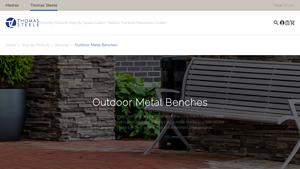
Domínio: thomas-steele.com
Registrado: 1999 (26 anos)
Introdução: Thomas Steele outdoor metal benches are handcrafted in the USA, made of high-quality materials, and designed for durability in harsh environments. Key products include: 1. Aurora Bench – As low as $1,029.00 2. Carnival Steel Bench – As low as $609.00 3. Carnival II Bench – As low as $519.00 4. Langdon Bench – As low as $969.00 5. Wingra Bench – As low as $809.00 6. Mifflin Bench – As low as $1,109…
Strategic Sourcing Conclusion and Outlook for outdoor metal bench
What Are the Key Benefits of Strategic Sourcing for Outdoor Metal Benches?
In conclusion, strategic sourcing of outdoor metal benches presents a multitude of advantages for businesses across various sectors. By prioritizing durability, low maintenance, and aesthetic appeal, international B2B buyers can enhance their outdoor spaces while maximizing their investment. The versatility of designs—from contemporary to classic—allows for seamless integration into different environments, catering to diverse customer needs.
Moreover, sourcing sustainable options aligns with growing global demands for eco-friendly practices, positioning your brand as a responsible entity in the marketplace. As supply chains become increasingly competitive, leveraging direct manufacturing relationships can lead to cost savings and improved product quality.
How Can International Buyers Prepare for Future Trends in Outdoor Metal Benches?
Looking ahead, businesses in Africa, South America, the Middle East, and Europe must remain agile and informed about emerging trends in outdoor furnishings. Emphasizing customization and branding opportunities will be crucial as consumer preferences evolve. Engaging with reputable suppliers who understand regional nuances can facilitate better decision-making.
As you consider your next procurement, remember that the right outdoor metal benches can significantly enhance public spaces, foster community engagement, and elevate your brand image. Act now to explore innovative solutions that meet both your operational needs and sustainability goals.

Illustrative image related to outdoor metal bench
Isenção de responsabilidade e termos de uso importantes
⚠️ Isenção de responsabilidade importante
As informações fornecidas neste guia, inclusive o conteúdo referente a fabricantes, especificações técnicas e análise de mercado, são apenas para fins informativos e educacionais. Elas não constituem aconselhamento profissional sobre compras, aconselhamento financeiro ou aconselhamento jurídico.
Embora tenhamos feito todos os esforços para garantir a precisão e a atualidade das informações, não nos responsabilizamos por erros, omissões ou informações desatualizadas. As condições de mercado, os detalhes da empresa e os padrões técnicos estão sujeitos a alterações.
Os compradores B2B devem realizar sua própria due diligence independente e completa antes de tomar qualquer decisão de compra. Isso inclui entrar em contato diretamente com os fornecedores, verificar as certificações, solicitar amostras e buscar consultoria profissional. O risco de confiar em qualquer informação contida neste guia é de responsabilidade exclusiva do leitor.


 Portuguese
  English
  Russian
  Arabic
  Japanese
  German
  Spanish
  Afrikaans
  Greek
Greek  Italian
  Thai
Thai  French