
Construction sites involve various hazards, including falling objects, heavy machinery, electrical risks, dust exposure, and extreme working conditions. Choosing the right construction safety gear and safety workwear is essential for protecting workers and maintaining a safe working environment.
Professional safety workwear is designed to provide both protection and comfort during daily construction activities. Combined with essential safety equipment such as helmets, gloves, safety boots, and fall protection systems, high-quality protective workwear helps reduce workplace injuries and improve overall job performance.
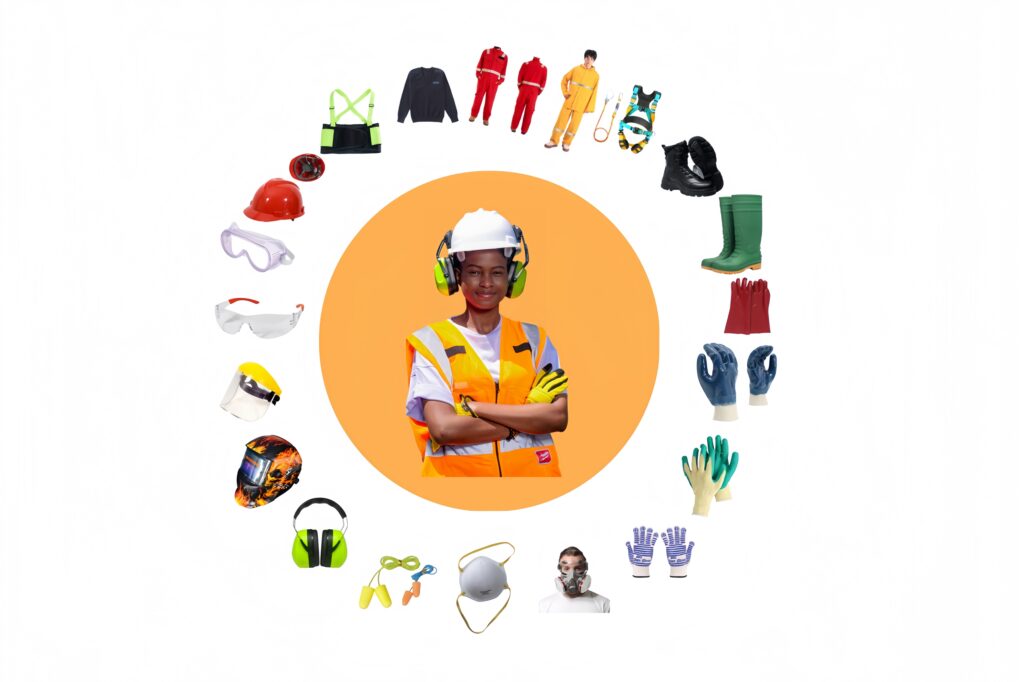
This guide covers 10 essential construction safety gear and safety workwear items that every construction site should prepare before work begins.
1. Safety Workwear: Essential Protective Clothing for Construction Workers
Safety workwear is a fundamental part of construction protection. Unlike ordinary clothing, professional protective workwear is designed to withstand harsh working conditions while improving worker safety and comfort.

Common types of construction safety workwear include:
- High-visibility jackets and vests
- Protective trousers
- Flame-resistant clothing
- Waterproof work jackets
- Weather-resistant outerwear
- Reflective safety clothing
Quality safety workwear helps protect workers from environmental hazards, improves visibility, and allows greater freedom of movement during construction tasks.
2. 安全ヘルメット: Protecting Workers from Head Injuries
Safety helmets are one of the most important pieces of construction safety gear. They protect workers from falling objects, impact hazards, and electrical risks.
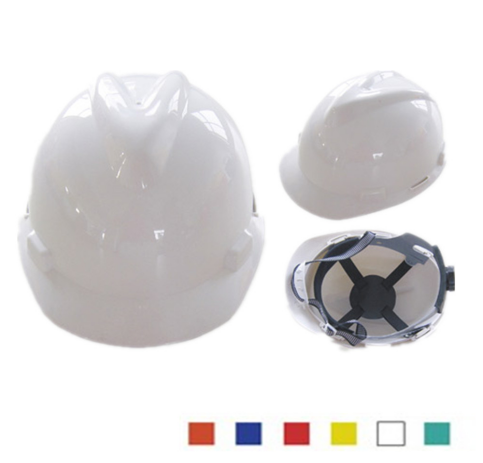
A high-quality construction helmet should include:
- Impact-resistant shell
- Adjustable suspension system
- Comfortable fit for long working hours
- Electrical protection features when required
Workers should regularly inspect helmets and replace any damaged equipment to ensure reliable protection.
3. 安全眼鏡 そして Face Protection: Preventing Eye Injuries

Construction activities often generate dust, debris, sparks, and chemical splashes. Proper eye protection helps prevent serious injuries.
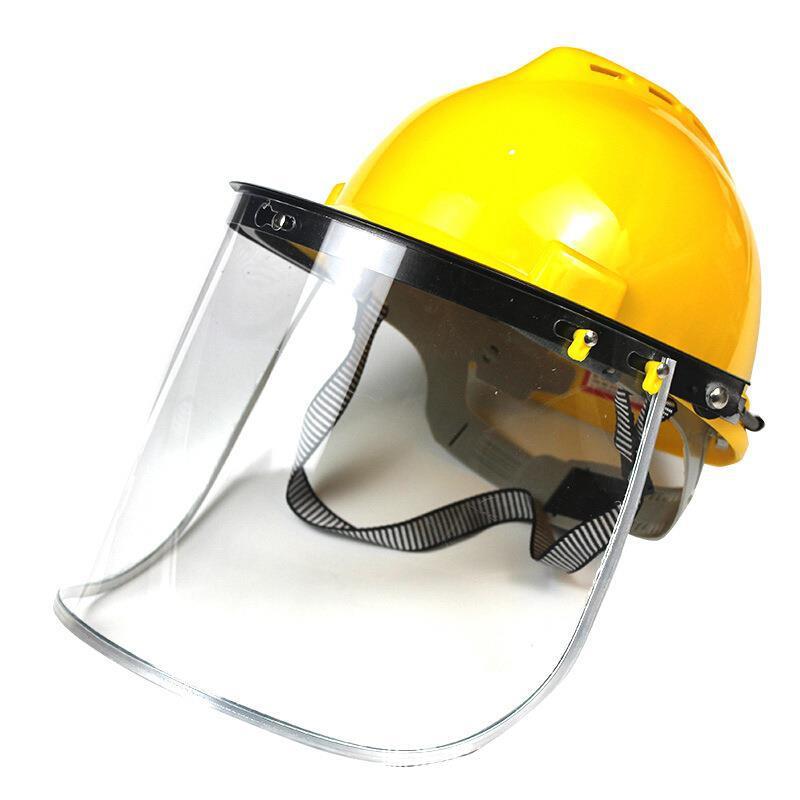
Common eye protection gear includes:
- 安全眼鏡
- Protective goggles
- Face shields
- 溶接用ヘルメット
Selecting suitable eye protection depends on the specific hazards present at the construction site.
4. High-Visibility Safety Vests: Improving Worker Visibility
High-visibility vests are essential safety workwear for construction workers, especially in areas with vehicles, cranes, and heavy machinery.
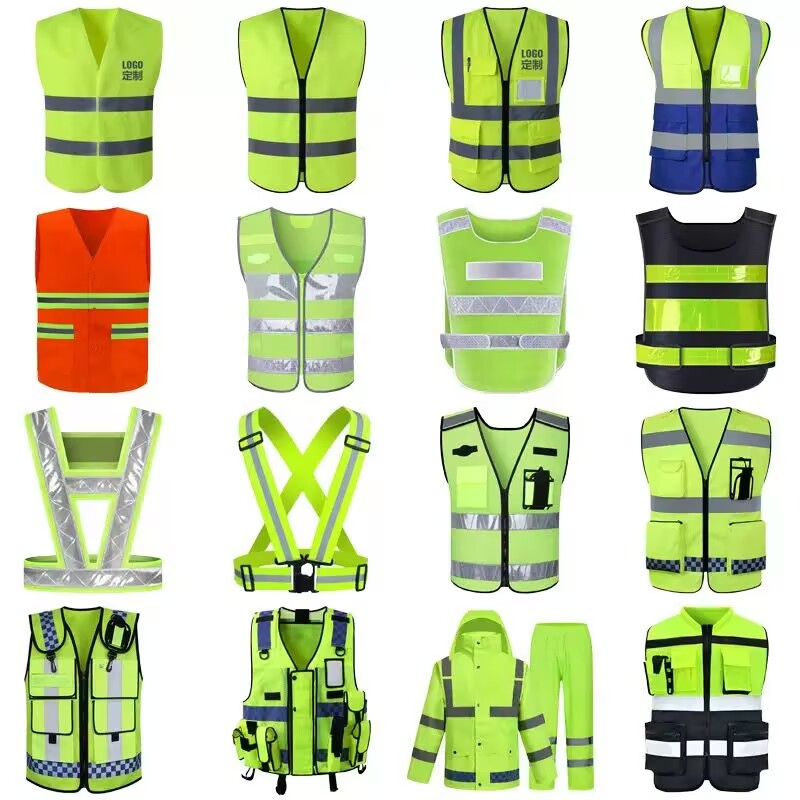
These reflective safety garments help workers remain visible in:
- Low-light conditions
- Busy construction zones
- Road construction areas
- Equipment operation areas
Improved visibility can significantly reduce collision risks and improve workplace safety.
5. 安全手袋: Protecting Hands During Construction Work
Workers use their hands for many construction tasks, making hand protection essential. Different jobs require different types of protective gloves.
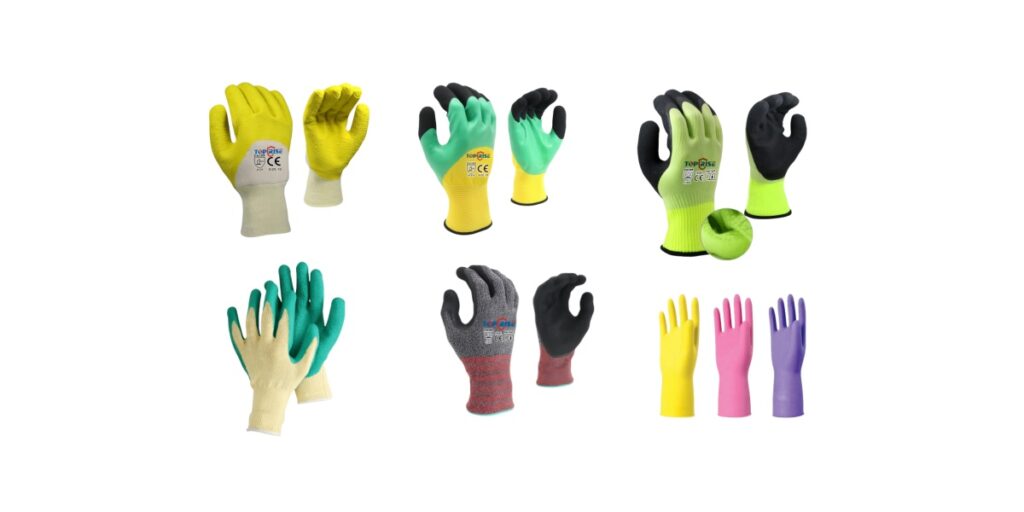
Common safety gloves include:
- Cut-resistant gloves
- Chemical-resistant gloves
- Heat-resistant gloves
- Heavy-duty work gloves
The right gloves provide protection while maintaining flexibility and work efficiency.
6. 安全長靴: Protecting Feet from Workplace Hazards
Safety boots are an important part of construction safety gear. They protect workers from falling materials, sharp objects, slippery surfaces, and electrical hazards.

Important features include:
- Steel or composite toe protection
- Slip-resistant soles
- Waterproof materials
- Puncture-resistant layers
Durable protective footwear improves worker safety during demanding construction activities.
7. Fall Protection Gear: Reducing Risks at Height
Working at height is one of the most dangerous construction activities. Reliable fall protection equipment helps prevent severe injuries caused by falls.
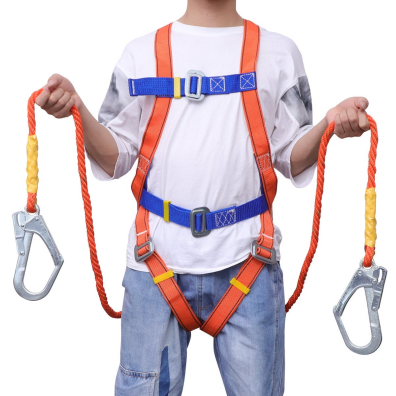
Essential fall protection gear includes:
- Full-body harnesses
- Safety lanyards
- Lifelines
- Guardrails
- Safety nets
Workers should receive proper training before using fall protection systems.
8. Respiratory Protection Equipment: Protecting Workers’ Health
Construction workers may be exposed to dust, chemicals, and hazardous particles. Respiratory protection equipment helps reduce long-term health risks.

Common respiratory safety gear includes:
- Dust masks
- Respirators
- Air-purifying respirators
- Chemical protection masks
The correct respiratory equipment should be selected according to workplace conditions and potential hazards.
9. Hearing Protection Gear: Preventing Noise-Related Injuries
Construction machinery can produce high noise levels that may damage workers’ hearing over time.
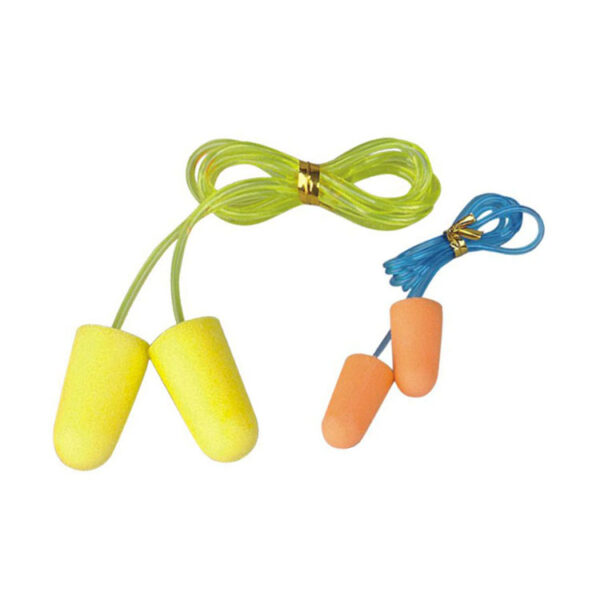
Common hearing protection equipment includes:
- 耳栓
- イヤーマフ
- Noise-reduction headsets
Regular use of hearing protection is important in environments with continuous loud noise.
10. Safety Barriers and Warning Equipment: Controlling Site Risks
Safety barriers and warning equipment help organize construction areas, control access, and reduce potential workplace hazards.
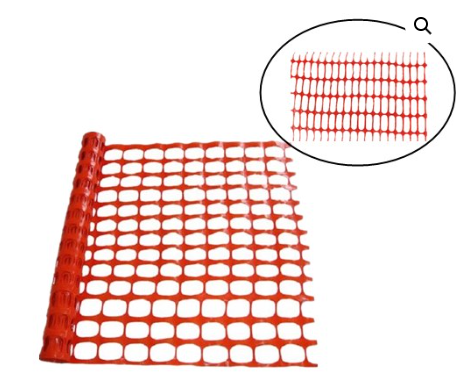
Common safety control products include:
- Warning signs
- Safety barriers
- Temporary fencing
- Traffic cones
- Hazard labels
Proper use of safety barriers and warning systems helps create safer working zones and improves overall construction site management.
Construction Safety Gear and Safety Workwear Checklist Before Starting Work
Before construction activities begin, supervisors should confirm:
✓ All workers have required safety gear and protective clothing
✓ Personal protective equipment has been properly inspected
✓ Damaged safety products have been replaced
✓ Safety barriers and warning systems are correctly installed
✓ Workers understand safety procedures
✓ Hazard areas are clearly marked
Using the right construction safety gear and safety workwear helps reduce workplace injuries and creates a safer working environment.
Conclusion: Choosing the Right Construction Safety Gear and Safety Workwear Saves Lives
Construction safety depends on proper preparation, effective safety management, and reliable protective solutions. The combination of high-quality construction safety gear and safety workwear provides workers with essential protection against common hazards, including falling objects, machinery accidents, electrical risks, dust exposure, and harsh working conditions.
A complete safety checklist helps construction companies select suitable protective equipment, improve workplace safety, and ensure employees are prepared for daily challenges. Regular inspections, proper maintenance, and worker training are also necessary to maximize the effectiveness of safety products.
By investing in durable safety workwear and construction safety gear, companies can protect their workforce, reduce workplace accidents, improve productivity, and create a safer construction environment. Proper protective clothing, safety equipment, and site safety products are not only industry requirements but also a long-term investment in worker health and project success.


 Japanese
  English
  Russian
  Arabic
  Portuguese
  German
  Spanish
  Afrikaans
  Greek
Greek  Italian
  Thai
Thai  French