
Introduction : Naviguer sur le marché mondial des bancs d'extérieur modernes
Dans le paysage concurrentiel actuel, l'approvisionnement en bancs d'extérieur modernes alliant fonctionnalité et attrait esthétique représente un défi de taille pour les acheteurs B2B internationaux. Avec l'évolution des espaces urbains et la popularité croissante de la vie en plein air, la demande de sièges polyvalents s'adaptant à divers environnements - des cafés des villes animées aux parcs sereins - a explosé. Ce guide complet aborde la myriade de considérations impliquées dans le choix du bon banc d'extérieur, y compris les types de conception, les applications des matériaux, les processus de vérification des fournisseurs et l'analyse des coûts.
Comprendre les nuances des bancs d'extérieur modernes est crucial pour les acheteurs d'Afrique, d'Amérique du Sud, du Moyen-Orient et d'Europe, en particulier dans des régions comme l'Allemagne et l'Arabie Saoudite où les espaces extérieurs font partie intégrante du style de vie et du commerce. Ce guide donne aux décideurs les moyens d'agir en leur fournissant des informations exploitables, leur permettant de faire des choix d'achat éclairés qui répondent à la fois à leurs contraintes budgétaires et à leurs préférences esthétiques. En approfondissant des aspects tels que la durabilité, l'entretien et la compatibilité des styles, cette ressource dote les acheteurs des connaissances nécessaires pour naviguer efficacement sur le marché mondial.
En parcourant les sections suivantes, vous comprendrez mieux comment les bancs d'extérieur modernes peuvent embellir vos espaces tout en répondant à des besoins pratiques, garantissant ainsi que votre investissement produise des bénéfices immédiats et à long terme.
Comprendre les types et les variantes de bancs modernes pour l'extérieur
| Nom du type | Principales caractéristiques | Applications primaires B2B | Avantages et inconvénients pour les acheteurs |
|---|---|---|---|
| Banc de salle à manger | Longs sièges, souvent munis de coussins, conçus pour les repas. | Restaurants, cafés, événements en plein air | Pour : Efficacité de l'espace, encouragement des repas en commun. Cons : Soutien dorsal limité. |
| Banc de rangement | Double fonctionnalité avec compartiments de rangement | Parcs, zones de loisirs, usage résidentiel | Pour : Maximise l'espace, pratique pour les petites surfaces. Cons : Les mécanismes de stockage peuvent nécessiter un entretien. |
| Banc à lattes | Conception en lamelles pour le drainage et la circulation de l'air | Parcs publics, plages, jardins communaux | Pour : Durable, esthétique. Cons : Peut être inconfortable sans coussins. |
| Banc convertible | Utilisation polyvalente comme siège ou table, souvent réglable | Espaces extérieurs, espaces multifonctionnels | Pour : Adaptable à différents besoins, peu encombrant. Cons : La complexité de la conception peut entraîner des coûts plus élevés. |
| Banc écologique | Fabriqués à partir de matériaux durables, souvent dans un style moderne | Entreprises soucieuses de l'environnement, parcs urbains | Pour : Attire les consommateurs soucieux de l'environnement et favorise le développement durable. Cons : Des coûts initiaux potentiellement plus élevés. |
Quelles sont les principales caractéristiques des bancs de salle à manger ?
Les bancs de salle à manger sont conçus pour accueillir plusieurs utilisateurs, ce qui les rend idéaux pour les restaurants, les cafés et les repas en plein air. Leur forme allongée permet une utilisation efficace de l'espace et favorise une expérience de repas en commun. Lors de l'achat, privilégiez les matériaux résistants aux intempéries et faciles à nettoyer, car ces bancs sont souvent exposés aux éléments. En outre, l'option de sièges rembourrés peut améliorer le confort des clients.
Comment les bancs de rangement améliorent-ils les espaces extérieurs ?
Les bancs de rangement combinent un siège et des solutions de rangement pratiques, ce qui les rend parfaits pour les parcs et les zones résidentielles. Ils constituent un endroit pratique pour ranger les coussins d'extérieur, les outils de jardinage ou les objets de loisir, ce qui permet de garder les espaces bien rangés. Lors du choix d'un banc de rangement, il convient de donner la priorité à la durabilité et à la résistance à l'eau pour garantir la longévité. Les acheteurs doivent également évaluer la facilité d'accès aux compartiments de rangement, car la fonctionnalité est essentielle.
Pourquoi choisir des bancs à lattes pour les espaces publics ?
Les bancs à lattes se caractérisent par leur conception ouverte, qui permet l'évacuation de l'eau et la circulation de l'air, ce qui les rend adaptés aux parcs publics et aux plages. Cette conception réduit le risque d'accumulation d'eau, ce qui améliore la durabilité. Lors de l'achat de bancs à lattes, il faut tenir compte des matériaux utilisés, qui doivent être résistants à la corrosion et à la décoloration. Le confort peut être une préoccupation, c'est pourquoi il peut être utile de proposer des coussins en option pour la satisfaction de l'utilisateur.
Pourquoi les bancs convertibles sont-ils un investissement judicieux ?
Les bancs convertibles ont une double fonction : ils servent à la fois de sièges et de tables, ce qui est avantageux pour les lieux extérieurs et les espaces multifonctionnels. Leur adaptabilité permet aux entreprises d'optimiser leurs espaces extérieurs pour divers événements, qu'il s'agisse de rassemblements décontractés ou de dîners formels. Les acheteurs doivent évaluer la facilité des mécanismes de conversion et la stabilité du banc lorsqu'il est utilisé comme table, car ces facteurs ont une incidence sur l'expérience de l'utilisateur.
Comment les bancs écologiques peuvent-ils séduire les acheteurs modernes ?
Les bancs écologiques sont fabriqués à partir de matériaux durables, ce qui plaît aux entreprises qui accordent la priorité à la responsabilité environnementale. Ces bancs contribuent non seulement à rendre la planète plus verte, mais ils attirent également les consommateurs soucieux de l'environnement dans les parcs urbains et les espaces commerciaux. Lorsqu'ils envisagent des options écologiques, les acheteurs doivent évaluer l'origine des matériaux et l'esthétique générale pour s'assurer qu'ils correspondent aux valeurs de leur marque. Même s'ils coûtent cher, les avantages à long terme dépassent souvent l'investissement initial.
Principales applications industrielles du banc moderne d'extérieur
| Industrie/secteur | Application spécifique du banc moderne d'extérieur | Valeur/bénéfice pour l'entreprise | Principales considérations en matière d'approvisionnement pour cette application |
|---|---|---|---|
| L'hospitalité | Sièges en plein air pour les restaurants et les cafés | Amélioration de l'expérience client, augmentation de la capacité de restauration en plein air | Durabilité contre les intempéries, compatibilité esthétique avec le décor |
| Développement urbain | Places assises dans les parcs et les places publiques | Fournit des espaces de rassemblement communautaire, encourage les activités de plein air | Respect des réglementations locales et des exigences en matière d'entretien |
| L'éducation | Espaces d'étude en plein air sur le campus | Faciliter les environnements d'apprentissage collaboratifs, améliorer l'esthétique du campus | Sécurité des matériaux, capacité d'accueil et conception pour le confort |
| Vente au détail | Présentoirs et sièges en plein air | Attire le trafic piétonnier et prolonge la durée d'attente des clients | Polyvalence pour les affichages, résistance aux intempéries et alignement de la marque |
| Gestion des événements | Sièges temporaires pour les manifestations en plein air et les festivals | Augmente la flexibilité des sièges, améliore le confort des invités | Portabilité, facilité d'assemblage et solutions de stockage |
Comment les bancs d'extérieur modernes sont-ils utilisés dans le secteur de l'hôtellerie ?
Dans le secteur de l'hôtellerie, les bancs modernes d'extérieur sont de plus en plus utilisés dans les restaurants et les cafés pour étendre les zones de restauration aux espaces extérieurs. Cette configuration permet non seulement d'accueillir davantage de convives, mais aussi d'améliorer l'expérience globale du repas en créant une atmosphère détendue et accueillante. Les acheteurs de ce secteur doivent privilégier les bancs durables et résistants aux intempéries, afin de s'assurer qu'ils peuvent résister aux éléments tout en conservant leur attrait esthétique. En outre, la compatibilité avec le décor existant peut influencer de manière significative la satisfaction des clients et la perception de la marque.
Quel est le rôle du banc moderne d'extérieur dans le développement urbain ?
Les bancs extérieurs modernes sont essentiels dans les projets de développement urbain, en particulier dans les parcs publics et les places. Ils servent de lieux de rassemblement commun, encourageant les interactions sociales et les activités de plein air. Pour les acheteurs internationaux, en particulier sur les marchés émergents d'Afrique et d'Amérique du Sud, il est essentiel de s'approvisionner en bancs conformes aux normes locales de sécurité et de durabilité. Des considérations telles que les exigences en matière d'entretien et la capacité à résister à des conditions météorologiques variables peuvent affecter la longévité et la fonctionnalité de ces installations.
Comment les établissements d'enseignement peuvent-ils bénéficier des bancs extérieurs ?
Les établissements d'enseignement intègrent souvent des bancs modernes dans l'aménagement des campus pour créer des zones d'étude en plein air. Ces bancs facilitent l'apprentissage collaboratif et offrent aux étudiants des espaces confortables pour échanger avec leurs pairs. Les acheteurs de ce secteur doivent se concentrer sur les bancs qui donnent la priorité à la sécurité des matériaux et à la conception ergonomique, afin d'assurer le confort lors d'une utilisation prolongée. En outre, la possibilité de personnaliser les couleurs ou les styles en fonction de l'image de marque de l'école peut améliorer l'attrait général des environnements de campus.
De quelle manière les espaces commerciaux utilisent-ils les bancs modernes pour l'extérieur ?
Les espaces commerciaux s'appuient sur des bancs extérieurs modernes pour créer des présentoirs et des zones d'assise accueillants qui attirent le trafic piétonnier. En intégrant des bancs dans les devantures de magasins ou les zones commerciales extérieures, les entreprises peuvent encourager les clients à s'attarder plus longtemps, augmentant ainsi la probabilité d'achat. Lors de l'achat de bancs pour des applications de vente au détail, des considérations telles que la polyvalence pour l'exposition de produits, la résistance aux intempéries et l'alignement avec l'esthétique de la marque sont cruciales pour maximiser à la fois la fonctionnalité et l'engagement des clients.
Comment les entreprises de gestion d'événements utilisent-elles les bancs extérieurs ?
Les sociétés d'organisation d'événements utilisent des bancs modernes pour l'extérieur afin de créer des sièges temporaires lors d'événements et de festivals en plein air. Ces bancs offrent une grande flexibilité dans l'agencement des places assises et permettent d'accueillir un nombre variable d'invités tout en améliorant le confort. Pour les acheteurs B2B de ce secteur, il est essentiel de trouver des bancs portables, faciles à assembler et offrant des solutions de stockage efficaces. La possibilité d'installer et de démonter rapidement des zones de sièges peut avoir un impact significatif sur le succès global et la logistique d'un événement.
3 points de douleur communs aux utilisateurs pour 'banc moderne d'extérieur' et leurs solutions
Scénario 1 : Espace limité pour les sièges en plein air
Le problème : De nombreux acheteurs B2B, tels que les directeurs de l'hôtellerie ou les promoteurs immobiliers, sont souvent confrontés au défi de l'espace extérieur limité lorsqu'il s'agit de planifier l'aménagement des places assises. Dans les zones urbaines, où chaque mètre carré compte, les sièges traditionnels peuvent être encombrants et visuellement envahissants. Il en résulte une situation frustrante où l'on veut offrir des sièges confortables aux invités, mais où l'on a du mal à trouver des solutions qui s'intègrent dans des contraintes spatiales étroites.
La solution : Opter pour des bancs d'extérieur modernes permet de résoudre efficacement ce problème. Ces bancs sont conçus avec une esthétique épurée et minimaliste, ce qui leur permet de s'intégrer harmonieusement dans des environnements extérieurs plus petits, sans sacrifier le style ou le confort. Lorsque vous vous procurez ces bancs, recherchez des options qui offrent une certaine polyvalence, comme des bancs qui peuvent accueillir plusieurs utilisateurs tout en prenant moins de place que les chaises traditionnelles. En outre, envisagez des bancs à double usage, comme ceux qui intègrent des compartiments de rangement pour les coussins ou les jeux d'extérieur. Cette approche pratique permet non seulement de maximiser l'espace, mais aussi d'améliorer l'utilité de l'espace extérieur, créant ainsi une atmosphère accueillante pour les invités.
Scénario 2 : Problèmes de durabilité dans des conditions météorologiques difficiles
Le problème : Les acheteurs B2B s'inquiètent souvent de la durabilité du mobilier d'extérieur, en particulier dans les régions où les conditions climatiques sont extrêmes. Par exemple, dans certaines parties du Moyen-Orient ou de l'Amérique du Sud, les températures élevées, les fortes pluies ou l'exposition intense aux UV peuvent rapidement dégrader les sièges d'extérieur standard. Cette préoccupation peut entraîner une augmentation des coûts en raison de remplacements ou d'entretiens fréquents.
La solution : Pour atténuer ces problèmes de durabilité, il est essentiel d'investir dans des bancs d'extérieur modernes fabriqués à partir de matériaux de haute qualité et résistants aux intempéries. Recherchez des bancs fabriqués à partir de matériaux tels que le PEHD (polyéthylène haute densité), l'aluminium ou le teck, qui sont réputés pour leur résistance aux éléments. En outre, les bancs dotés d'une finition résistante aux UV peuvent prolonger considérablement leur durée de vie. Lors de l'achat, demandez des échantillons ou des spécifications détaillées aux fournisseurs pour vous assurer que les matériaux répondent aux exigences climatiques locales. En outre, il est préférable d'opter pour des bancs livrés avec des housses de protection, ce qui permet de les protéger plus facilement des intempéries lorsqu'ils ne sont pas utilisés, prolongeant ainsi leur durée de vie et préservant leur apparence.
Scénario 3 : Attrait esthétique contre fonctionnalité pratique
Le problème : Les acheteurs B2B, en particulier dans des secteurs tels que l'aménagement paysager ou l'immobilier commercial, sont souvent tiraillés entre le besoin de sièges d'extérieur esthétiques et la fonctionnalité pratique qui répond aux besoins de leurs clients. Ils veulent créer des espaces accueillants qui attirent les visiteurs, mais ils ont aussi besoin de meubles qui résistent à un usage intensif et restent beaux au fil du temps.
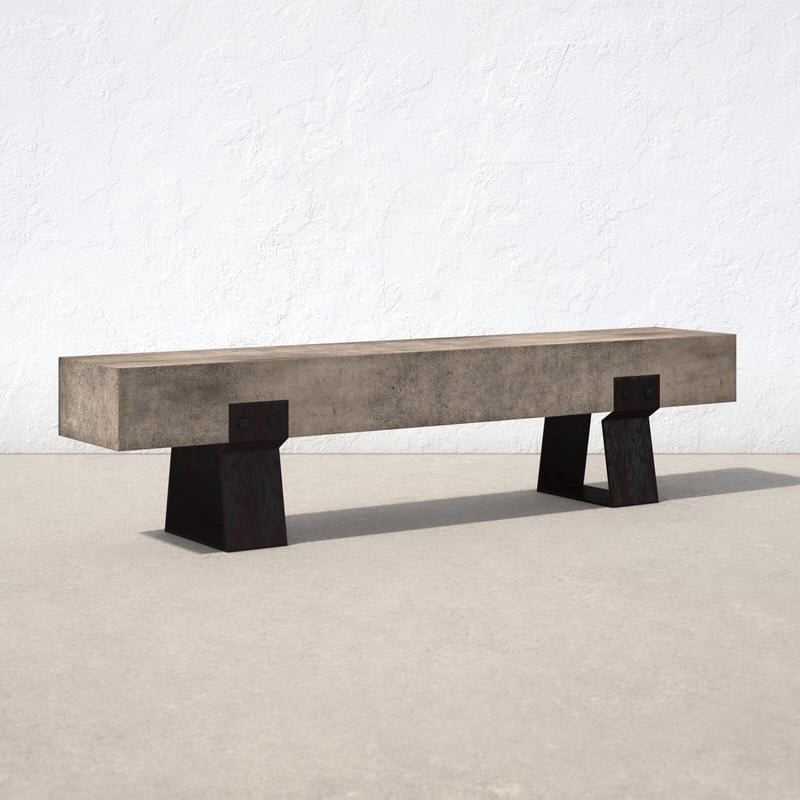
Image d'illustration relative au banc moderne d'extérieur
La solution : La clé pour résoudre ce dilemme réside dans le choix de bancs d'extérieur modernes qui sont à la fois élégants et fonctionnels. Lors de l'achat de ces bancs, privilégiez les modèles qui intègrent une esthétique contemporaine (lignes épurées, matériaux innovants et couleurs personnalisables) afin de vous assurer qu'ils mettent en valeur l'ensemble de l'espace extérieur. En même temps, recherchez des caractéristiques qui favorisent la fonctionnalité, comme les bancs avec rangement intégré ou ceux qui sont conçus pour un nettoyage facile. Faites appel à des fournisseurs qui proposent des options de personnalisation, ce qui vous permettra d'adapter les bancs à l'image de marque et au design de votre entreprise. Ce double souci d'esthétique et de fonctionnalité permettra non seulement de satisfaire les demandes des clients, mais aussi de créer un environnement attrayant qui encouragera les visites répétées et les expériences positives.
Guide de sélection stratégique des matériaux pour le banc moderne d'extérieur
Quelles sont les principales propriétés du bois pour les bancs modernes d'extérieur ?
Le bois, en particulier les bois durs comme le teck, l'eucalyptus et l'acacia, est un choix populaire pour les bancs d'extérieur modernes en raison de son attrait esthétique naturel et de sa solidité. Ses principales propriétés sont la résistance à l'usure, l'isolation naturelle contre les fluctuations de température et la capacité à résister à diverses conditions météorologiques lorsqu'il est correctement traité. Cependant, le bois nécessite un entretien régulier, tel que le scellement et la teinture, pour conserver son apparence et sa durabilité.
Avantages et inconvénients de l'utilisation du bois :
– Pour : Il offre un aspect chaleureux et naturel qui séduit de nombreux consommateurs. Il peut être issu de sources durables, ce qui renforce son potentiel commercial. En outre, le bois est relativement facile à travailler, ce qui permet de créer des designs variés.
– Cons : Sujet à la pourriture, au gauchissement et aux dégâts causés par les insectes s'il n'est pas traité correctement. L'entretien peut augmenter les coûts à long terme. Dans les climats humides, le bois peut nécessiter un entretien plus fréquent.
Pour les acheteurs internationaux, en particulier dans des régions comme l'Afrique et le Moyen-Orient, il est essentiel de comprendre l'origine du bois et les certifications de durabilité (par exemple, la certification FSC). Le respect des réglementations locales concernant le bois importé peut également influer sur les décisions d'achat.
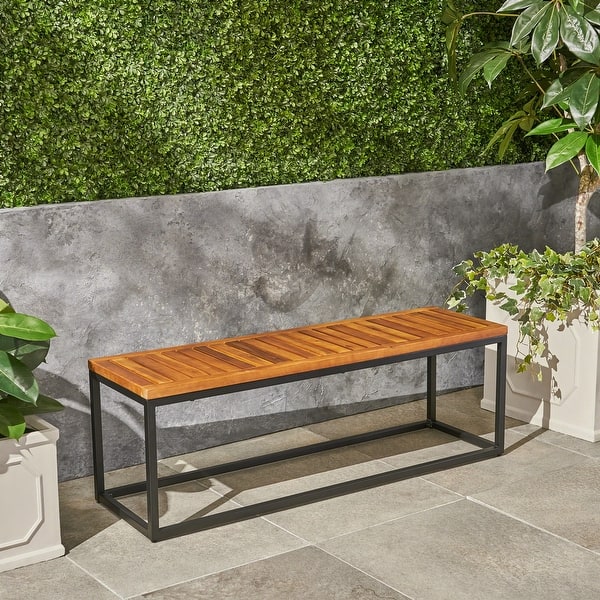
Image d'illustration relative au banc moderne d'extérieur
Comment le métal se comporte-t-il en tant que matériau pour les bancs d'extérieur ?
Le métal, en particulier l'aluminium et l'acier inoxydable, est de plus en plus utilisé pour les bancs d'extérieur modernes en raison de sa solidité et de sa résistance à la corrosion. L'aluminium est léger et résiste à la rouille, tandis que l'acier inoxydable offre une durabilité supérieure et un attrait esthétique. Ces métaux peuvent résister à des températures extrêmes et sont faciles à nettoyer, ce qui les rend adaptés à divers environnements.
Avantages et inconvénients de l'utilisation du métal :
– Pour : Grande durabilité et peu d'entretien. Les métaux peuvent être recouverts d'un revêtement en poudre pour une protection supplémentaire contre les éléments et peuvent être conçus dans des styles élégants et modernes.
– Cons : Peut devenir chaud en plein soleil, ce qui peut dissuader de l'utiliser dans les climats chauds. Les coûts initiaux peuvent être plus élevés que ceux du bois.
Pour les acheteurs B2B en Europe, il est essentiel de se conformer à des normes telles que DIN pour la qualité des matériaux. Dans des régions comme l'Amérique du Sud, la compréhension des réglementations locales en matière de recyclage des métaux peut également avoir un impact sur les décisions d'approvisionnement.
Pourquoi choisir des matériaux synthétiques pour les bancs modernes d'extérieur ?
Les matériaux synthétiques, tels que le polyéthylène haute densité (PEHD) et les matériaux composites, sont de plus en plus populaires en raison de leur durabilité et de leur faible besoin d'entretien. Le PEHD résiste à l'humidité, aux rayons UV et aux produits chimiques, ce qui le rend idéal pour les applications extérieures. Les matériaux composites combinent souvent des fibres de bois et du plastique, offrant ainsi l'esthétique du bois sans l'entretien associé.
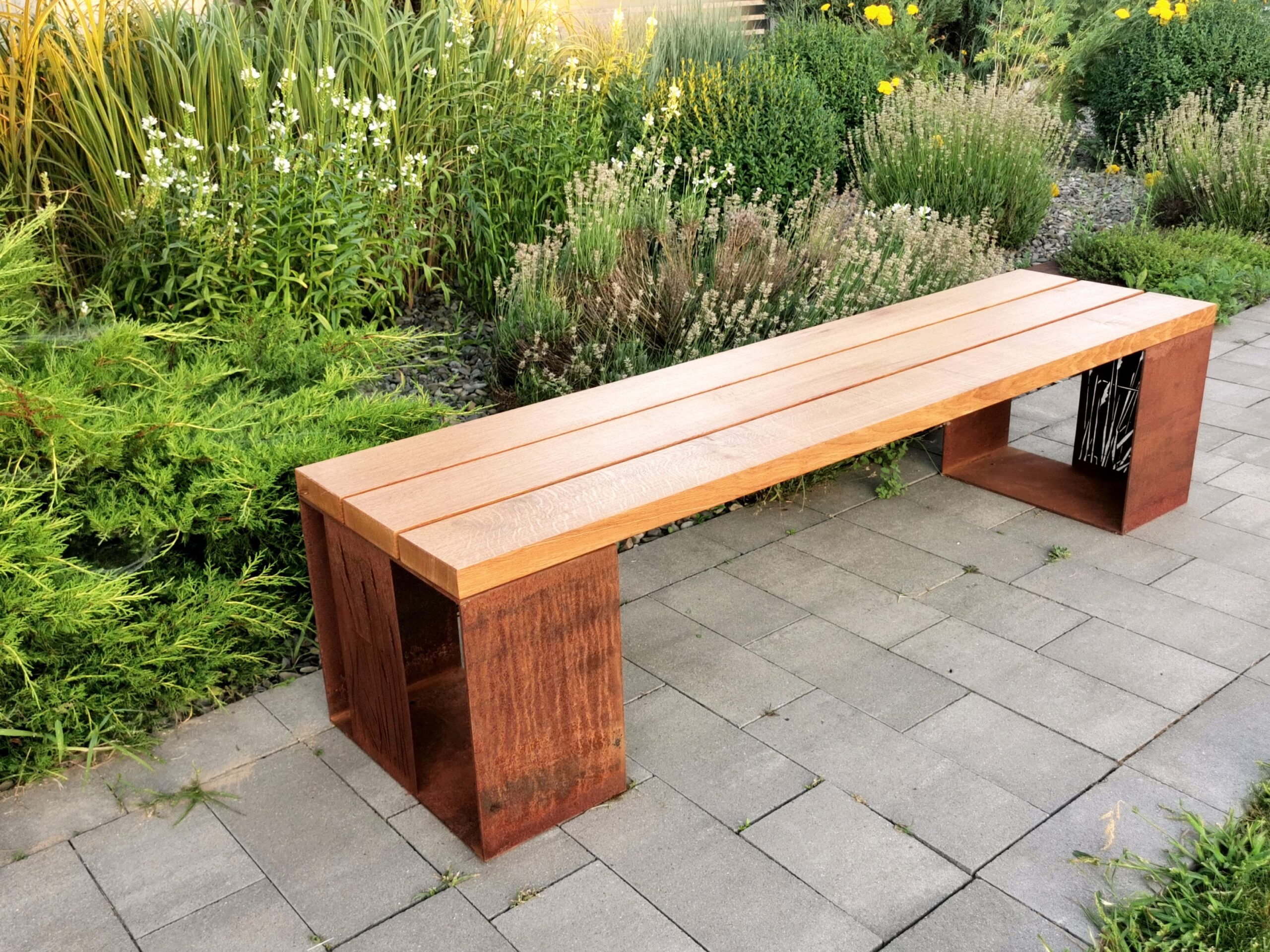
Image d'illustration relative au banc moderne d'extérieur
Avantages et inconvénients de l'utilisation de matériaux synthétiques :
– Pour : Ils sont très résistants à la décoloration, à la fissuration et à l'éclatement. Ces matériaux sont souvent recyclables et peuvent être produits en différentes couleurs et styles.
– Cons : Potentiellement moins attrayant pour les consommateurs qui préfèrent les matériaux naturels. Les coûts initiaux peuvent être comparables à ceux du bois de haute qualité.
Pour les acheteurs internationaux, en particulier dans des régions comme l'Afrique et le Moyen-Orient, il est essentiel de vérifier l'impact environnemental des matériaux synthétiques. Le respect de normes telles que l'ASTM en matière de sécurité et de performance peut également influencer les décisions d'achat.
Quels sont les avantages de l'utilisation du béton pour les bancs extérieurs ?
Le béton est un choix robuste pour les bancs extérieurs modernes, en particulier en milieu urbain. Il offre une durabilité exceptionnelle et peut être moulé dans des formes et des designs variés. Les bancs en béton peuvent être combinés avec d'autres matériaux, tels que le bois ou le métal, pour améliorer l'esthétique.
Avantages et inconvénients de l'utilisation du béton :
– Pour : Extrêmement durable et résistant aux intempéries, il convient aux zones très fréquentées. Le béton peut également faire l'objet de diverses finitions afin d'en améliorer l'aspect visuel.
– Cons : Il est lourd et peut nécessiter une installation spécialisée. Il peut être froid et inconfortable pour s'asseoir sans coussin supplémentaire.
Pour les acheteurs B2B, en particulier en Europe, il est essentiel de comprendre les réglementations locales concernant la production et l'installation du béton. Dans des régions comme l'Amérique du Sud, la disponibilité des matières premières peut avoir un impact sur les coûts et les stratégies d'approvisionnement.
Tableau récapitulatif de la sélection des matériaux pour les bancs modernes d'extérieur
| Matériau | Cas d'utilisation typique pour un banc d'extérieur moderne | Avantage principal | Principaux inconvénients/limites | Coût relatif (faible/moyen/élevé) |
|---|---|---|---|---|
| Bois | Jardins résidentiels, parcs | Esthétique et résistance naturelles | Nécessite un entretien régulier | Moyen |
| Métal | Milieux urbains, espaces commerciaux | Grande durabilité et faible entretien | Peut chauffer à la lumière du soleil | Haut |
| Synthétique | Zones de piscine, patios résidentiels | Faible entretien et résistance aux intempéries | Moins attrayant pour les amateurs de matériaux naturels | Moyen |
| Béton | Espaces publics, environnements urbains | Extrêmement durable et polyvalent | Lourd et nécessitant une installation spécialisée | Haut |
Examen approfondi : Processus de fabrication et assurance qualité pour les bancs modernes d'extérieur
Quelles sont les principales étapes du processus de fabrication des bancs d'extérieur modernes ?
Le processus de fabrication des bancs d'extérieur modernes comprend généralement plusieurs étapes clés : la préparation des matériaux, le formage, l'assemblage et la finition. La compréhension de ces étapes est cruciale pour les acheteurs B2B qui évaluent les fournisseurs en fonction de leurs capacités de production.
Préparation du matériel : Quels sont les matériaux utilisés ?
La première étape de la fabrication consiste à sélectionner les matériaux appropriés. Les matériaux les plus courants pour les bancs d'extérieur sont les suivants :
- Le bois : Le teck, l'acacia et l'eucalyptus sont des choix populaires en raison de leur résistance naturelle aux intempéries.
- Métal : L'aluminium et l'acier inoxydable sont souvent utilisés pour leur durabilité et leur résistance à la rouille.
- Matières synthétiques : Le polyéthylène haute densité (PEHD) et d'autres matériaux composites sont de plus en plus populaires en raison de leur faible entretien et de leur résistance aux intempéries.
La préparation des matériaux implique l'approvisionnement, l'inspection et le traitement de ces matériaux afin de s'assurer qu'ils répondent aux normes de qualité. Par exemple, le bois peut subir des traitements pour résister aux parasites et à la pourriture, tandis que les métaux peuvent être recouverts d'un revêtement pour éviter l'oxydation.
Comment sont fabriqués les bancs d'extérieur modernes ?
L'étape du façonnage consiste à transformer les matériaux préparés en composants pour les bancs. Il peut s'agir de processus de coupe, de pliage et d'usinage :
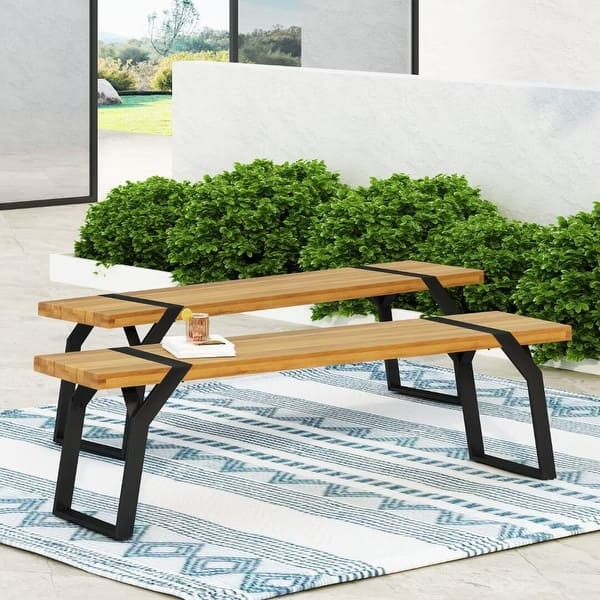
Image d'illustration relative au banc moderne d'extérieur
- Découpage : Les scies de précision et les lasers sont utilisés pour découper les matériaux aux dimensions spécifiées.
- Pliage et façonnage : Pour les composants métalliques, des machines à plier ou des moules peuvent être utilisés pour obtenir les formes souhaitées.
- Usinage : Il s'agit notamment de percer des trous pour l'assemblage et les finitions.
Les technologies de pointe telles que les machines à commande numérique par ordinateur (CNC) améliorent la précision et l'efficacité, permettant des conceptions complexes qui répondent à l'esthétique contemporaine.
À quoi ressemble le processus d'assemblage ?
L'assemblage est l'étape au cours de laquelle les différents composants sont réunis pour former le produit final. Cette étape peut impliquer
- Techniques d'assemblage : Les fixations, les adhésifs ou le soudage sont utilisés en fonction des matériaux. Par exemple, les bancs en métal peuvent être soudés, tandis que les bancs en bois peuvent utiliser des vis ou des chevilles.
- Contrôles de qualité : Tout au long de l'assemblage, les fabricants effectuent des contrôles en cours de fabrication pour s'assurer que les composants s'adaptent et fonctionnent correctement.
Les acheteurs B2B doivent se renseigner sur les techniques d'assemblage utilisées, car elles peuvent avoir une incidence sur la durabilité et la fonctionnalité du banc.
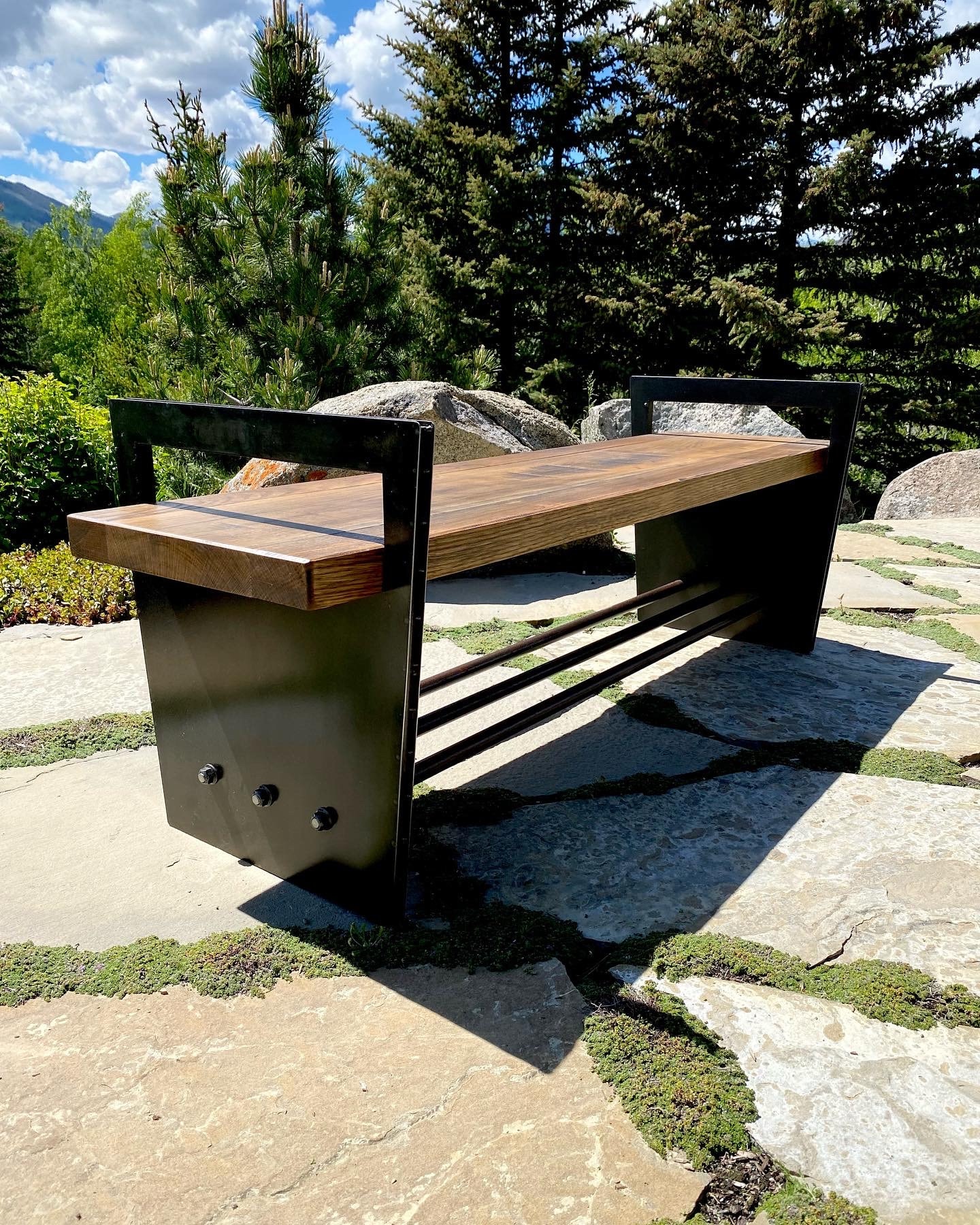
Image d'illustration relative au banc moderne d'extérieur
Comment se déroule l'étape de finition ?
L'étape de la finition est essentielle pour l'esthétique et la protection. Il peut s'agir de
- Poncer et lisser : S'assurer que toutes les surfaces sont lisses au toucher.
- Teinture ou peinture : L'application de revêtements protecteurs, tels que des vernis ou des peintures, renforce la durabilité et l'attrait visuel. Les finitions résistantes aux UV sont particulièrement importantes pour les produits d'extérieur.
- Inspection finale : Avant l'emballage, un contrôle approfondi est effectué pour s'assurer que la finition est impeccable et répond aux normes de qualité.
Quelles pratiques d'assurance qualité les acheteurs B2B doivent-ils rechercher ?
L'assurance qualité (AQ) est essentielle pour garantir que les produits répondent aux normes spécifiées. Parmi les normes internationales pertinentes figure la norme ISO 9001, qui définit les critères d'un système de gestion de la qualité. En outre, des normes spécifiques à l'industrie, telles que le marquage CE (pour les produits vendus en Europe) ou la certification API (American Petroleum Institute), peuvent être pertinentes en fonction de l'utilisation prévue des bancs.
Quels sont les principaux points de contrôle du contrôle qualité dans la fabrication ?
Le contrôle de la qualité comporte plusieurs points de contrôle tout au long du processus de fabrication :
- Contrôle de la qualité à l'arrivée (IQC) : Il s'agit de l'inspection initiale des matières premières afin de vérifier leur qualité avant le début de la production.
- Contrôle de la qualité en cours de fabrication (IPQC) : Réalisé à différents stades de la fabrication, l'IPQC permet de s'assurer que les composants répondent aux spécifications de qualité à chaque étape.
- Contrôle de qualité final (CQF) : Cette inspection finale permet de vérifier que les bancs terminés ne présentent pas de défauts ou d'incohérences avant d'être expédiés.
Quelles sont les méthodes d'essai couramment utilisées ?
Les méthodes d'essai les plus courantes pour les bancs extérieurs sont les suivantes :
- Test de durabilité : Simulation des conditions météorologiques pour évaluer la résistance des matériaux à la pluie, aux rayons UV et aux fluctuations de température.
- Test de charge : S'assurer que le banc peut supporter les limites de poids spécifiées sans défaillance structurelle.
- Essais de sécurité : Vérification des arêtes vives, de la stabilité et de la sécurité générale des utilisateurs.
Les acheteurs interentreprises doivent vérifier que les fabricants effectuent ces tests et conservent les enregistrements des résultats.
Comment les acheteurs peuvent-ils vérifier le contrôle de la qualité des fournisseurs ?
Pour s'assurer que les fournisseurs respectent les normes de qualité, les acheteurs B2B peuvent prendre plusieurs mesures :
- Réaliser des audits : Des audits réguliers de l'installation de fabrication permettent de vérifier le respect des normes de qualité et des pratiques de production.
- Demander des rapports de qualité : Les fournisseurs doivent fournir une documentation sur leurs processus de contrôle de la qualité, y compris les résultats des tests et les certifications.
- Inspections par des tiers : Le recours à des services d'inspection par une tierce partie peut fournir une évaluation impartiale des pratiques de contrôle de la qualité du fournisseur.
Quelles sont les spécificités des acheteurs internationaux en matière de contrôle de qualité et de certification ?
Les acheteurs internationaux, en particulier dans des régions comme l'Afrique, l'Amérique du Sud, le Moyen-Orient et l'Europe, doivent être conscients des nuances spécifiques en matière de certification de la qualité :
- Normes régionales : Les normes et les réglementations peuvent varier d'une région à l'autre. Par exemple, les acheteurs européens peuvent privilégier le marquage CE, tandis que ceux du Moyen-Orient peuvent se concentrer sur les certifications locales.
- Considérations culturelles : La compréhension des préférences et des attentes culturelles peut influencer la perception de la qualité. Par exemple, les acheteurs européens peuvent accorder plus d'importance à l'esthétique du design que les acheteurs d'autres régions.
- Pratiques de durabilité : L'accent étant mis de plus en plus sur le développement durable à l'échelle mondiale, les acheteurs peuvent rechercher des fournisseurs qui font preuve de pratiques écologiques en matière d'approvisionnement et de fabrication.
En étant informés de ces processus de fabrication et de ces pratiques d'assurance qualité, les acheteurs B2B peuvent prendre des décisions plus éclairées lorsqu'ils s'approvisionnent en bancs modernes pour l'extérieur, en s'assurant de sélectionner des fournisseurs qui répondent à leurs attentes et à leurs normes de qualité.

Image d'illustration relative au banc moderne d'extérieur
Guide pratique d'approvisionnement : Une liste de contrôle étape par étape pour 'modern outdoor bench' (banc moderne d'extérieur)
Dans le marché concurrentiel d'aujourd'hui, l'approvisionnement en bancs modernes pour l'extérieur nécessite une planification stratégique et une réflexion approfondie. Ce guide fournit une liste de contrôle pratique pour aider les acheteurs B2B à prendre des décisions éclairées qui correspondent à leurs besoins et préférences spécifiques.
Étape 1 : Définir les spécifications techniques
Avant d'entamer le processus d'approvisionnement, il est essentiel de définir les spécifications techniques des bancs d'extérieur modernes dont vous avez besoin. Il s'agit notamment des dimensions, des matériaux et de l'esthétique du design.
– Matériaux: Tenez compte de la durabilité et de la résistance aux intempéries, en particulier si votre marché est soumis à des conditions climatiques difficiles.
– Dimensions: Veillez à ce que la taille soit adaptée à l'espace prévu, qu'il s'agisse d'une petite terrasse ou d'un grand espace extérieur.
Étape 2 : Fixer un budget
L'établissement d'un budget clair est essentiel pour une recherche efficace. Connaître vos limites financières vous aidera à limiter les options et à éviter les dépenses excessives.
– Analyse des coûts: Tenez compte non seulement du prix d'achat, mais aussi des frais d'expédition, des taxes et des éventuels droits d'importation.
– Qualité et prix: Trouvez un équilibre entre votre budget et le besoin de qualité ; les options moins chères peuvent entraîner des coûts plus élevés à long terme en raison des remplacements ou des réparations.
Étape 3 : Identifier des fournisseurs fiables
Trouver des fournisseurs dignes de confiance est une étape essentielle du processus d'approvisionnement. Cela peut avoir un impact significatif sur la qualité et la fiabilité de vos achats.
– Recherche: Recherchez des fournisseurs jouissant d'une solide réputation dans le secteur et bénéficiant d'avis positifs de la part de clients antérieurs.
– Certifications: Vérifier si les fournisseurs possèdent les certifications nécessaires pour garantir le respect des normes de qualité internationales.
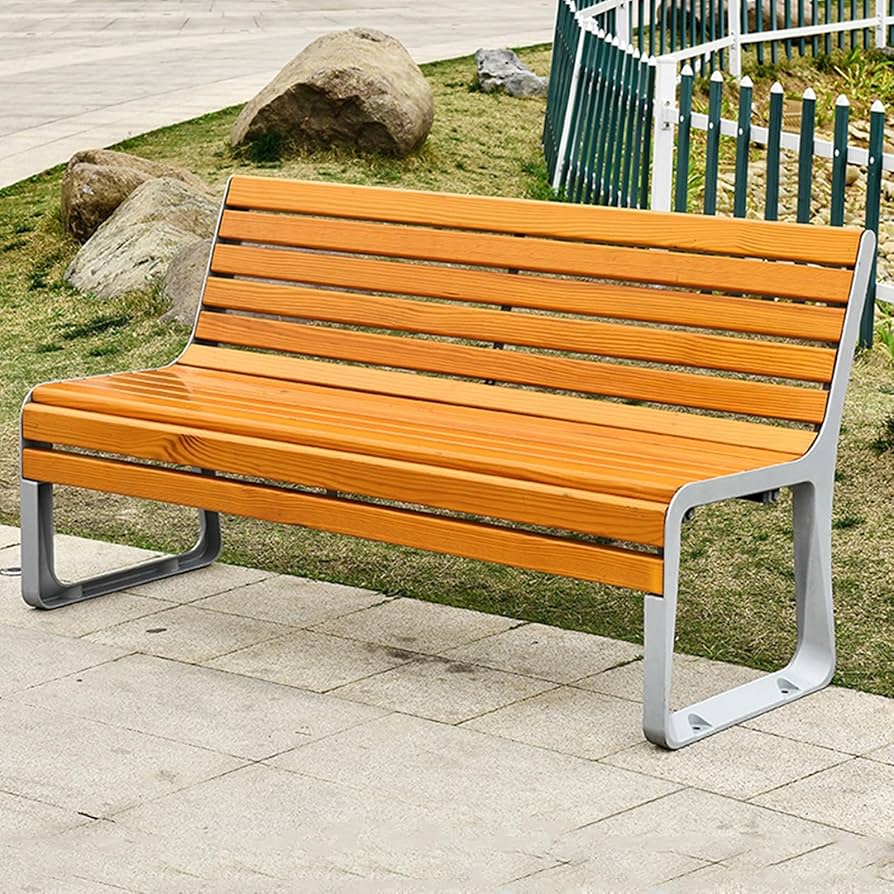
Image d'illustration relative au banc moderne d'extérieur
Étape 4 : Évaluer les échantillons de produits
Demander des échantillons de produits peut donner une idée de la qualité et de la conception des bancs. Cette étape vous permet d'évaluer physiquement les matériaux et l'exécution.
– Contrôle des matériaux: Examinez la durabilité et la finition pour vous assurer qu'elles répondent à vos normes de qualité.
– Fonctionnalité: Tester le confort et la facilité d'utilisation pour s'assurer que les bancs répondent aux attentes des clients.
Étape 5 : Examiner les options d'expédition et de logistique
Il est essentiel de comprendre les aspects logistiques de l'expédition pour garantir une livraison dans les délais et une bonne gestion des coûts.
– Méthodes d'expédition: Évaluer les différentes options d'expédition et les coûts associés, en particulier pour les commandes internationales.
– Lead Times: Confirmer les délais estimés pour la production et la livraison afin de s'aligner sur les échéances de votre projet.
Étape 6 : Négocier les conditions
Une fois que vous avez présélectionné des fournisseurs potentiels, il est temps de négocier des conditions favorables. Il s'agit notamment des prix, des modalités de paiement et des garanties.
– Conditions de paiement: Déterminer s'il faut négocier des conditions de crédit ou des remises pour les achats en gros.
– Garanties et retours: Assurez-vous que le fournisseur offre des garanties raisonnables et une politique de retour claire en cas de défaut.
Étape 7 : Finaliser votre commande
Après avoir franchi toutes les étapes précédentes, il est temps de passer votre commande. Assurez-vous que vous disposez de tous les documents nécessaires avant de finaliser votre commande.
– Documentation: Conservez un registre de tous les accords, factures et correspondances pour référence ultérieure.
– Confirmation de commande: Vérifiez les détails de votre commande, y compris les quantités, les spécifications et les dates de livraison, afin d'éviter toute anomalie.
En suivant cette liste de contrôle étape par étape, les acheteurs B2B peuvent naviguer en toute confiance dans le processus d'approvisionnement en bancs modernes pour l'extérieur, garantissant ainsi une stratégie d'approvisionnement réussie qui répond aux besoins de leur entreprise.
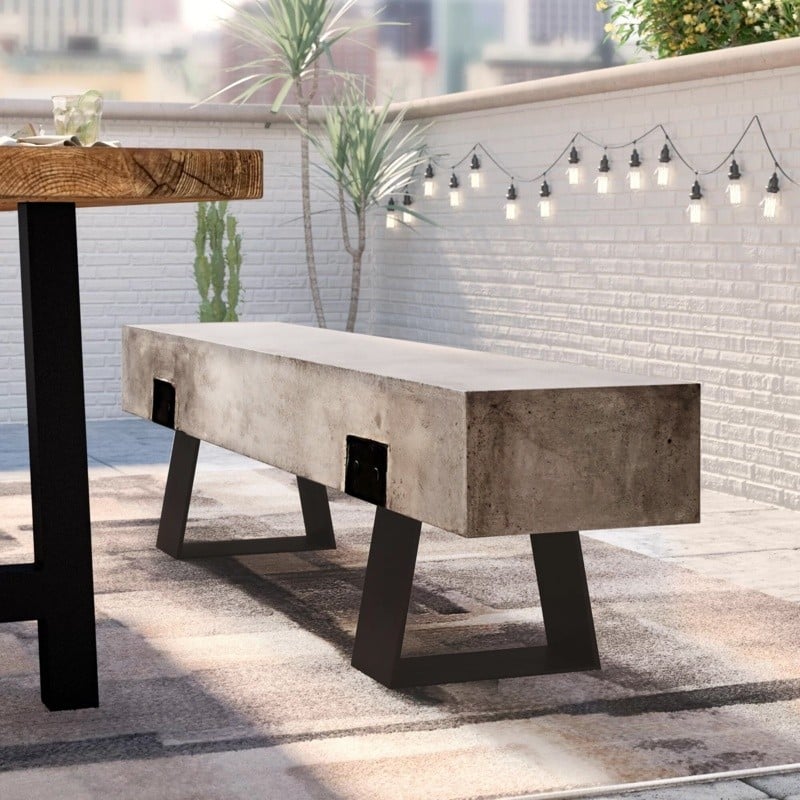
Image d'illustration relative au banc moderne d'extérieur
Analyse complète des coûts et des prix pour l'approvisionnement en bancs modernes pour l'extérieur
Quels sont les principaux éléments de coût dans l'approvisionnement en bancs modernes pour l'extérieur ?
Lors de l'achat de bancs modernes pour l'extérieur, il est essentiel de comprendre la structure des coûts pour établir un budget et prendre des décisions efficaces. Les principaux éléments de coût sont les suivants
-
Matériaux: Le choix des matériaux a une incidence considérable sur le prix. Les matériaux les plus courants pour les bancs d'extérieur modernes sont les bois durs comme le teck et l'acacia, les alliages métalliques et les matériaux composites. Chaque matériau présente des caractéristiques différentes en termes de prix, de durabilité et d'entretien.
-
Travail: Les coûts de main-d'œuvre varient selon les régions et dépendent de la complexité du processus de conception et de fabrication. Un savoir-faire artisanal, en particulier pour les bancs personnalisés ou de haute qualité, peut augmenter les coûts de main-d'œuvre.
-
Frais généraux de fabrication: Il s'agit des coûts liés au fonctionnement de l'usine, aux services publics, à l'entretien des équipements et à la main-d'œuvre indirecte. Des processus de fabrication efficaces peuvent contribuer à réduire ces coûts.
-
Outillage: Les coûts initiaux des moules et des outils utilisés dans la production de bancs peuvent être importants, en particulier pour les conceptions personnalisées. Ces coûts sont souvent amortis sur des séries de production plus importantes.
-
Contrôle de la qualité (CQ): S'assurer que les bancs répondent aux normes de qualité implique des coûts supplémentaires, notamment des inspections et des tests. La certification de la qualité peut également augmenter le prix.
-
Logistique: Les coûts de transport pour expédier des bancs depuis l'usine de fabrication jusqu'au site de l'acheteur peuvent varier considérablement en fonction de la distance, du mode de transport et de la taille de l'envoi.
-
Marge: Les fournisseurs ajoutent généralement une marge bénéficiaire à leurs coûts, qui peut varier en fonction de la concurrence sur le marché et de la valeur perçue.
Quels sont les facteurs qui influencent le prix des bancs modernes d'extérieur ?
Plusieurs facteurs influencent le prix des bancs d'extérieur modernes, en particulier pour les acheteurs B2B :
-
Volume/MOQ: L'achat en gros peut permettre de réduire les coûts unitaires. Les fournisseurs ont souvent des quantités minimales de commande qui peuvent affecter la flexibilité des prix.
-
Spécifications et personnalisation: Les conceptions sur mesure ou les exigences spécifiques (par exemple, la taille, la couleur ou le matériau) peuvent augmenter les coûts. Les produits standardisés offrent généralement des prix plus compétitifs.
-
Matériaux: Le choix de matériaux de haute qualité ou respectueux de l'environnement peut entraîner des coûts plus élevés, mais peut renforcer l'attrait et la longévité du banc.
-
Certifications de qualité: Les critères de référence tels que les certifications ISO, FSC ou autres peuvent augmenter le coût, mais peuvent également servir d'arguments de vente pour les acheteurs soucieux du développement durable ou de l'assurance qualité.
-
Facteurs liés au fournisseur: La réputation et la fiabilité des fournisseurs peuvent influencer les prix. Les marques établies peuvent être plus chères en raison de leur valeur perçue et de l'assurance de leur qualité.
-
Incoterms: Il est essentiel de comprendre les Incoterms pour les transactions internationales, car ils déterminent qui supporte les coûts et les risques liés à l'expédition. Des termes tels que FOB (Free on Board) ou CIF (Cost, Insurance, and Freight) peuvent avoir une incidence considérable sur le coût total.
Comment les acheteurs peuvent-ils négocier et garantir la rentabilité ?
Pour les acheteurs B2B, en particulier dans des régions comme l'Afrique, l'Amérique du Sud, le Moyen-Orient et l'Europe, une négociation efficace peut permettre de réaliser des économies significatives :
-
Tirer parti des remises sur volume: Lorsque vous passez des commandes importantes, négociez des remises en fonction de la quantité. Les fournisseurs peuvent être plus enclins à offrir des prix plus bas pour les achats en gros.
-
Tenir compte du coût total de possession: Évaluez non seulement le prix d'achat, mais aussi les coûts à long terme tels que l'entretien, la durabilité et le remplacement éventuel. Investir dans des bancs de meilleure qualité peut s'avérer plus rentable au fil du temps.
-
Comprendre la dynamique du marché: Familiarisez-vous avec les tendances du marché local et international. La connaissance des fournisseurs concurrents peut constituer un atout dans les négociations.
-
Flexibilité des spécifications: Dans la mesure du possible, soyez ouvert à d'autres matériaux ou conceptions susceptibles de réduire les coûts tout en répondant à vos exigences esthétiques et fonctionnelles.
-
Explorer les fournisseurs régionaux: L'approvisionnement auprès de fabricants locaux permet de réduire les frais d'expédition et les délais de livraison, ce qui en fait une option intéressante pour de nombreux acheteurs.
Clause de non-responsabilité concernant la tarification
Les prix des bancs modernes pour l'extérieur sont très variables et dépendent des fluctuations du marché, des coûts de production et des négociations avec les fournisseurs. Les prix mentionnés dans cette analyse sont indicatifs et peuvent changer en fonction des facteurs évoqués. Il convient de toujours mener une étude de marché approfondie et de s'adresser à plusieurs fournisseurs afin de mettre en place la stratégie de prix la mieux adaptée à vos besoins.
Analyse des alternatives : Comparaison d'un banc moderne d'extérieur avec d'autres solutions
Lorsque vous envisagez des solutions de sièges pour les espaces extérieurs, il est essentiel d'évaluer les différentes options afin de déterminer celle qui répond le mieux aux besoins de votre environnement professionnel. Les bancs modernes pour l'extérieur offrent des avantages uniques, mais d'autres solutions telles que les chaises longues et les sièges modulaires peuvent également remplir des fonctions similaires. Vous trouverez ci-dessous une analyse comparative de ces solutions d'assise, axée sur les performances, le coût, la facilité de mise en œuvre, l'entretien et les meilleurs cas d'utilisation.
| Aspect comparatif | Banc d'extérieur moderne | Chaises longues | Sièges modulaires |
|---|---|---|---|
| Performance | Espace réduit, places assises pour plusieurs personnes, conception polyvalente | Sièges individuels confortables, propices à la détente | Disposition flexible, pouvant s'adapter à différents espaces |
| Coût | Modéré ($200 - $1,000) | Très variable ($100 - $1,500) | Investissement initial plus élevé ($500 - $3,000) |
| Facilité de mise en œuvre | Assemblage simple et léger | Peut nécessiter plus d'assemblage, plus lourd | L'installation peut être complexe et nécessite une planification |
| Maintenance | Faible (matériaux résistants aux intempéries) | Modéré (en fonction des matériaux) | Élevé (varie selon le matériau, nécessite un entretien) |
| Meilleur cas d'utilisation | Petits patios, jardins ou espaces publics partagés | Cafés, salons ou espaces de détente | Événements, espaces polyvalents nécessitant une reconfiguration rapide |
Quelle est la différence entre un banc d'extérieur moderne et une chaise longue ?
Les chaises longues sont une alternative attrayante aux bancs modernes d'extérieur, en particulier dans les environnements qui privilégient le confort. Elles permettent de s'asseoir individuellement, ce qui les rend idéales pour les zones de détente dans les cafés ou les salons. Cependant, elles nécessitent généralement plus d'espace que les bancs et peuvent être plus chères, en fonction du design et des matériaux utilisés. Si les chaises longues offrent un confort supérieur, leur encombrement peut limiter le nombre de places assises dans les petits espaces. En outre, leur entretien peut poser problème, surtout si elles ne sont pas fabriquées dans des matériaux résistants aux intempéries.
Quels sont les avantages des sièges modulaires par rapport aux bancs d'extérieur modernes ?
Les systèmes de sièges modulaires sont une autre alternative qui permet une grande flexibilité dans l'aménagement de l'espace. Ces systèmes peuvent être réorganisés en fonction de divers événements ou rassemblements, ce qui les rend idéaux pour les entreprises qui organisent des fonctions diverses. Cependant, l'investissement initial est généralement plus élevé et l'installation peut être complexe, nécessitant une planification minutieuse. Si les sièges modulaires s'adaptent à différents agencements, ils nécessitent souvent plus de maintenance et d'entretien, surtout si les matériaux ne sont pas adaptés aux conditions extérieures.
Conclusion : Comment les acheteurs B2B doivent-ils choisir la bonne solution de sièges d'extérieur ?
Pour choisir la bonne solution de sièges d'extérieur, les acheteurs B2B doivent tenir compte de leurs besoins spécifiques, notamment de l'utilisation prévue de l'espace, des contraintes budgétaires et des possibilités d'entretien. Les bancs modernes d'extérieur constituent un choix solide pour les entreprises à la recherche d'une solution rentable, peu encombrante et pouvant accueillir plusieurs utilisateurs. À l'inverse, si le confort et la possibilité de s'asseoir individuellement sont des priorités, les chaises longues peuvent être plus appropriées, bien que leur coût et leur niveau d'entretien soient plus élevés. Pour ceux qui ont besoin de polyvalence et d'adaptabilité, les systèmes de sièges modulaires peuvent fournir une solution dynamique, mais ils s'accompagnent d'une complexité et d'un investissement accrus. En fin de compte, c'est la compréhension des exigences uniques de votre environnement qui vous guidera vers l'option de siège la plus appropriée.
Propriétés techniques essentielles et terminologie commerciale pour le banc moderne d'extérieur
Quelles sont les principales caractéristiques techniques des bancs d'extérieur modernes ?
Lors de l'achat de bancs modernes pour l'extérieur, il est essentiel de comprendre leurs propriétés techniques pour prendre des décisions d'achat éclairées. Voici quelques spécifications essentielles :
-
Qualité des matériaux
La qualité du matériau détermine la durabilité et la longévité des bancs d'extérieur. Les matériaux les plus courants sont le teck, l'acacia, l'aluminium et le polyéthylène haute densité (PEHD). Le teck est privilégié pour sa résistance aux intempéries et son attrait esthétique, tandis que l'aluminium offre des options légères et résistantes à la corrosion. Comprendre la qualité du matériau permet aux acheteurs d'évaluer l'adéquation du produit à des climats et des conditions d'utilisation spécifiques. -
Capacité de poids
La capacité de charge est une spécification essentielle qui définit le poids qu'un banc d'extérieur peut supporter en toute sécurité. Cette capacité varie en fonction de la conception et des matériaux utilisés. Une capacité de charge plus élevée est essentielle pour les environnements commerciaux, tels que les parcs ou les espaces publics, afin de garantir la sécurité et la fiabilité pendant les périodes de forte affluence. -
Type de finition
La finition appliquée à un banc d'extérieur influe sur son entretien et sa résistance aux intempéries. Il peut s'agir d'un revêtement en poudre pour les métaux, d'un traitement anti-UV pour les plastiques ou d'une finition à l'huile naturelle pour le bois. Les acheteurs doivent tenir compte de l'environnement dans lequel le banc sera utilisé et de l'entretien nécessaire, car certaines finitions peuvent nécessiter une réapplication plus fréquente que d'autres. -
Dimensions et tolérances
Les dimensions, notamment la longueur, la largeur et la hauteur, sont essentielles pour garantir que le banc s'intègre correctement dans les espaces désignés. La tolérance fait référence à l'écart admissible par rapport aux dimensions spécifiées, ce qui a une incidence sur l'assemblage et l'installation. Des mesures précises sont essentielles pour les projets soumis à des contraintes spatiales strictes, tels que les développements urbains ou les petits espaces extérieurs. -
Exigences en matière d'assemblage
Comprendre les exigences en matière d'assemblage peut influencer de manière significative le processus d'achat. Certains bancs sont livrés entièrement assemblés, tandis que d'autres peuvent nécessiter un assemblage sur place. Cette considération a une incidence sur la logistique, les coûts de main-d'œuvre et les délais d'installation, en particulier pour les commandes ou les projets de grande envergure.
Quels sont les termes commerciaux courants dans l'industrie des bancs d'extérieur ?
Il est essentiel de se familiariser avec le jargon du secteur pour communiquer et négocier efficacement dans le paysage B2B. Voici quelques termes commerciaux courants :
-
OEM (Original Equipment Manufacturer)
Le terme OEM désigne les entreprises qui produisent des pièces ou des équipements susceptibles d'être commercialisés par un autre fabricant. Pour les acheteurs, travailler avec un OEM peut offrir des possibilités de personnalisation et d'achat en gros, tout en garantissant que les produits répondent à des normes de qualité spécifiques. -
MOQ (Minimum Order Quantity)
Le MOQ est le plus petit nombre d'unités qu'un fournisseur est prêt à vendre. Il est essentiel de comprendre le MOQ pour l'établissement du budget et la gestion des stocks. Les acheteurs doivent négocier les QMo pour les aligner sur les besoins de leur projet tout en tenant compte des économies potentielles liées à l'achat en gros. -
RFQ (Request for Quotation)
Un appel d'offres est un document formel envoyé aux fournisseurs pour leur demander une offre de prix pour des biens ou des services spécifiques. Ce processus est essentiel pour comparer les prix, les termes et les conditions de différents fournisseurs, ce qui permet aux acheteurs de prendre des décisions éclairées basées sur le coût et la valeur. -
Incoterms (termes commerciaux internationaux)
Les incoterms sont des termes normalisés qui définissent les responsabilités des acheteurs et des vendeurs dans les transactions internationales. Ils précisent qui est responsable de l'expédition, de l'assurance et des tarifs. Il est essentiel de comprendre les incoterms pour atténuer les risques et assurer une logistique sans faille lors de l'achat de produits provenant de différentes régions. -
Délai d'exécution
Le délai d'exécution désigne le temps écoulé entre la passation d'une commande et la réception des marchandises. Il englobe les périodes de fabrication, d'expédition et de livraison. Pour les entreprises qui travaillent avec des calendriers serrés, la compréhension des délais de livraison facilite la planification et permet de s'assurer que les projets restent sur la bonne voie. -
Période de garantie
La période de garantie est la durée pendant laquelle le fabricant garantit le produit contre les défauts. Une garantie solide est un indicateur de la qualité du produit et peut apporter une certaine tranquillité d'esprit aux acheteurs, en particulier pour les achats à fort investissement comme les bancs d'extérieur.
En comprenant ces propriétés techniques et ces termes commerciaux, les acheteurs B2B peuvent naviguer dans les complexités de l'approvisionnement en bancs modernes pour l'extérieur plus efficacement, en prenant des décisions éclairées qui s'alignent sur les besoins de leur entreprise.
Naviguer dans la dynamique du marché et les tendances en matière d'approvisionnement dans le secteur des bancs modernes d'extérieur
Quelles sont les principales tendances qui façonnent le marché mondial des bancs modernes pour l'extérieur ?
Le marché des bancs modernes pour l'extérieur connaît une croissance significative sous l'effet conjugué de l'évolution des modes de vie et de la prise de conscience environnementale. Avec l'urbanisation croissante, en particulier dans des régions comme l'Afrique et l'Amérique du Sud, la demande de mobilier d'extérieur multifonctionnel permettant d'optimiser l'espace est en hausse. Cette tendance est particulièrement pertinente pour les acheteurs B2B qui cherchent à meubler des espaces commerciaux tels que les restaurants, les hôtels et les parcs publics. En outre, l'augmentation de la vie en plein air comme un choix de style de vie a conduit à un intérêt accru pour des solutions de sièges à la fois élégantes et pratiques.
Les avancées technologiques modifient également les tendances en matière d'approvisionnement. Les plateformes numériques et le commerce électronique permettent aux acheteurs internationaux d'entrer plus facilement en contact avec les fabricants, ce qui facilite les transactions et élargit le choix des produits. En outre, l'intégration de la technologie intelligente dans le mobilier d'extérieur - comme les bancs équipés de stations de recharge ou de haut-parleurs intégrés - reflète une tendance émergente qui séduit les consommateurs modernes. Cela souligne la nécessité pour les acheteurs B2B de rester informés des innovations technologiques qui peuvent différencier leurs offres sur un marché concurrentiel.
En Europe, et plus particulièrement en Allemagne, l'accent est mis sur la qualité et le design. Les acheteurs recherchent de plus en plus des produits qui répondent non seulement à des besoins fonctionnels, mais qui s'alignent également sur les préférences esthétiques contemporaines. Le marché du Moyen-Orient, quant à lui, montre un penchant croissant pour l'ameublement extérieur de luxe, les acheteurs étant prêts à investir dans des matériaux et des designs haut de gamme. La compréhension de ces préférences régionales est cruciale pour les acheteurs B2B qui souhaitent adapter leurs stratégies d'approvisionnement de manière efficace.
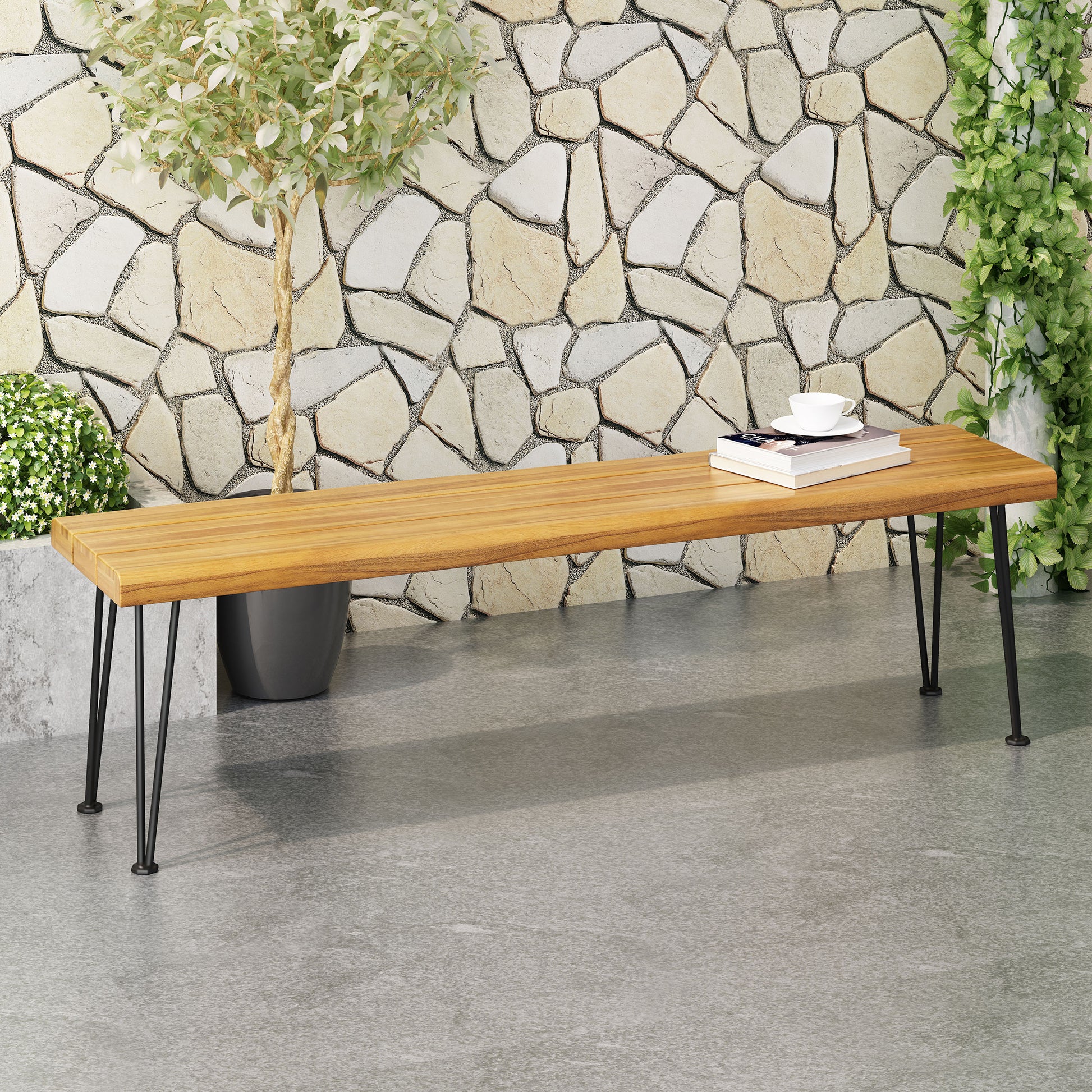
Image d'illustration relative au banc moderne d'extérieur
Quelle est l'importance de la durabilité et de l'approvisionnement éthique sur le marché des bancs d'extérieur modernes ?
La durabilité s'est imposée comme un facteur essentiel influençant le marché moderne des bancs extérieurs. Les acheteurs B2B privilégient de plus en plus les produits respectueux de l'environnement, poussés par la demande des consommateurs pour des pratiques éthiques et la nécessité de se conformer aux normes réglementaires. L'impact environnemental des matériaux utilisés dans le mobilier d'extérieur fait l'objet d'un examen minutieux, ce qui oblige les fournisseurs à proposer des options durables.
L'approvisionnement éthique est tout aussi important, l'accent étant mis de plus en plus sur la transparence au sein des chaînes d'approvisionnement. Les acheteurs sont encouragés à rechercher des fabricants qui s'engagent à respecter des pratiques de travail équitables et à s'approvisionner en matériaux de manière responsable. Les certifications telles que FSC (Forest Stewardship Council) et GREENGUARD peuvent aider les acheteurs à identifier les produits qui répondent à des normes élevées en matière d'environnement et de sécurité.
Les matériaux tels que le bois récupéré, les métaux recyclés et les composites durables gagnent du terrain, non seulement pour leurs avantages écologiques, mais aussi pour leurs qualités esthétiques uniques. Les acheteurs B2B devraient envisager d'intégrer ces matériaux dans leurs gammes de produits afin d'attirer les consommateurs soucieux de l'environnement. En donnant la priorité à la durabilité et à l'approvisionnement éthique, les entreprises peuvent améliorer leur image de marque et fidéliser une clientèle de plus en plus soucieuse de l'environnement.
Quel est le contexte historique des bancs modernes d'extérieur pour les acheteurs B2B ?
L'évolution des bancs d'extérieur reflète des tendances plus générales en matière de design et de préférences des consommateurs. Historiquement, les bancs étaient des structures utilitaires fabriquées principalement en bois et en métal, que l'on trouvait souvent dans les parcs ou les jardins publics. Cependant, à mesure que la vie en plein air gagnait en popularité à la fin du XXe siècle, le design des bancs d'extérieur a commencé à évoluer.
L'introduction de matériaux résistants aux intempéries et de conceptions innovantes a entraîné une hausse de la popularité des bancs d'extérieur modernes, qui allient désormais fonctionnalité et attrait esthétique. Cette évolution a créé un marché diversifié répondant à des goûts et des besoins variés, allant des designs minimalistes privilégiés en Europe aux styles luxueux et complexes recherchés au Moyen-Orient. Comprendre cette évolution historique aide les acheteurs B2B à apprécier la diversité des offres disponibles aujourd'hui et l'importance d'aligner leurs sélections de produits sur les attentes des consommateurs contemporains.
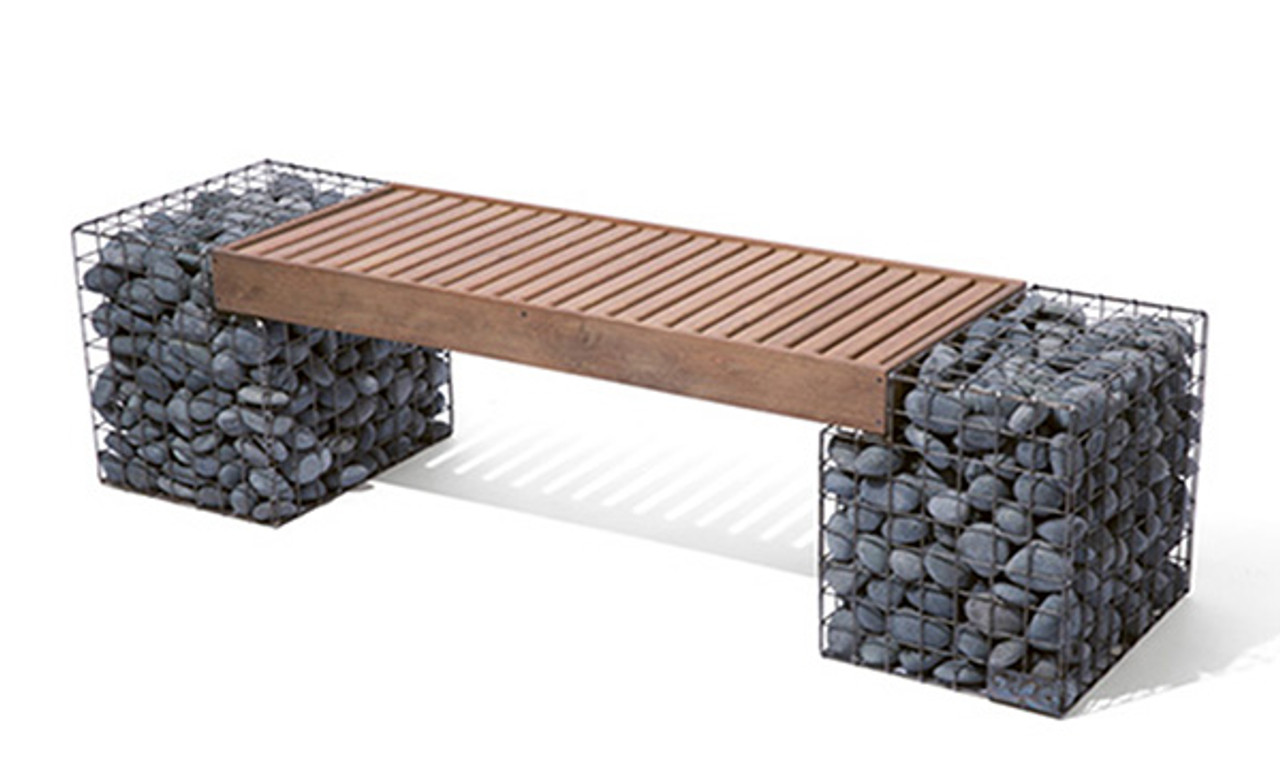
Image d'illustration relative au banc moderne d'extérieur
Foire aux questions (FAQ) pour les acheteurs B2B de banc moderne d'extérieur
-
Comment choisir le banc d'extérieur moderne adapté à mes besoins professionnels ?
Lorsque vous choisissez un banc d'extérieur moderne, tenez compte de facteurs tels que l'utilisation prévue, les contraintes d'espace et l'esthétique du design. Évaluez la durabilité des matériaux, notamment en fonction du climat de votre région - le chêne et le métal sont excellents pour la longévité à l'extérieur. En outre, évaluez la taille et le nombre de places assises pour vous assurer qu'il répond aux exigences de vos clients. Un banc polyvalent qui sert également de rangement peut également améliorer la fonctionnalité dans les espaces restreints. -
Quels sont les meilleurs matériaux pour les bancs d'extérieur dans différents climats ?
Les meilleurs matériaux pour les bancs d'extérieur dépendent du climat. Pour les régions humides et pluvieuses, optez pour du bois traité comme le teck ou des métaux résistants aux intempéries comme l'aluminium. Dans les régions sèches et ensoleillées, les matériaux synthétiques résistants aux UV sont idéaux car ils ne se décolorent pas. Si vous vous approvisionnez dans des régions aux températures extrêmes, optez pour des bancs en polyéthylène haute densité (PEHD) pour leur résistance. Vérifiez toujours les spécifications du fabricant en ce qui concerne la résistance aux intempéries et les exigences en matière d'entretien. -
Quelles sont les quantités minimales de commande pour les bancs modernes d'extérieur ?
Les quantités minimales de commande (QMC) peuvent varier considérablement d'un fournisseur à l'autre, allant souvent de 10 à 100 unités en fonction du fabricant et de la gamme de produits. Il est essentiel de communiquer clairement vos exigences lors des discussions initiales. Si vous souhaitez une personnalisation ou des modèles spécifiques, les quantités de commande peuvent être plus élevées. Confirmez toujours le MOQ à l'avance afin d'éviter les surprises au cours du processus d'achat. -
Comment puis-je m'assurer de la qualité des bancs d'extérieur provenant de fournisseurs internationaux ?
Pour garantir la qualité, demandez des échantillons avant de passer des commandes en gros. Vérifiez les certifications et les processus d'assurance qualité du fournisseur. Recherchez des avis ou des témoignages de clients antérieurs et envisagez de visiter l'usine si cela est possible. La mise en place d'un processus détaillé d'inspection de la qualité avant l'expédition peut contribuer à atténuer les risques. Faites appel à des services d'inspection tiers pour évaluer la qualité des bancs avant qu'ils ne quittent les locaux du fournisseur. -
Quelles sont les conditions de paiement généralement proposées pour les achats B2B de bancs extérieurs ?
Les conditions de paiement peuvent varier, mais les pratiques courantes consistent à verser un acompte de 30% et à payer le solde avant l'expédition, ou à verser un montant net dans les 30 à 60 jours suivant la livraison. Négociez toujours des conditions qui correspondent à vos besoins de trésorerie. En outre, envisagez d'utiliser des méthodes de paiement sécurisées telles que les lettres de crédit ou les services de dépôt fiduciaire pour protéger votre investissement, en particulier lorsque vous traitez avec de nouveaux fournisseurs. -
Comment gérer la logistique et l'expédition des bancs extérieurs ?
La logistique et l'expédition des bancs d'extérieur comportent plusieurs étapes. Tout d'abord, déterminez la meilleure méthode d'expédition en fonction de votre budget et de l'urgence : le fret maritime est souvent rentable pour les commandes en gros, tandis que le fret aérien est plus rapide mais plus coûteux. Travaillez avec un transitaire de bonne réputation qui connaît les règles du commerce international et les procédures de dédouanement. Veillez à ce que le fournisseur fournisse un emballage adéquat afin d'éviter tout dommage pendant le transport. -
Puis-je personnaliser le design des bancs d'extérieur modernes pour ma marque ?
Oui, de nombreux fabricants proposent des options de personnalisation pour les bancs d'extérieur, notamment en ce qui concerne les couleurs, les matériaux et les dimensions. Fournissez des spécifications détaillées et des concepts de design au fournisseur. N'oubliez pas que la personnalisation peut avoir une incidence sur les délais d'exécution et les quantités minimales de commande. Renseignez-vous également sur les coûts supplémentaires pour les conceptions sur mesure et assurez-vous de recevoir un prototype pour approbation avant la production complète. -
Quelles sont les tendances en matière de bancs modernes pour l'extérieur que je devrais prendre en considération ?
Les tendances actuelles en matière de bancs d'extérieur modernes comprennent des matériaux durables, des designs multifonctionnels et une esthétique minimaliste. Les matériaux écologiques tels que le bois récupéré et les plastiques recyclés gagnent en popularité. En outre, les bancs à double fonction, comme les sièges et les rangements, sont de plus en plus demandés. Tenez-vous au courant des préférences du marché local et des tendances mondiales en matière de design pour vous assurer que vos offres restent compétitives et attrayantes pour votre public cible.
Liste des 7 meilleurs fabricants et fournisseurs de bancs modernes pour l'extérieur
1. 2Modern - Bancs d'extérieur
Domaine : 2modern.com
Enregistré : 2003 (22 ans)
Introduction : Cette société, 2Modern - Outdoor Benches, est une entité notable sur le marché. Pour plus de détails sur les produits, il est recommandé de visiter directement leur site web.
2. Signature Design by Ashley® - Banc Visola avec coussin
Domaine : nashcofurniture.com
Enregistré : 2017 (8 ans)
Introduction : {"products" :[{"name" : "Visola - Banc avec coussin - Gris", "brand" : "Signature Design by Ashley®", "original_price" : "$509.99″, "current_price" : "$398.99″, "description" : "Fabriqué en MEGA-TUFF® HDPE, il combine une durabilité exceptionnelle avec un style moderne."},{"name" : "Laguna Heights - Banc avec coussin - Beige", "brand" : "Signature Design by Ashley®", "original_price" : "$589.99″, "current_price" : "$44...
3. Highwood USA - Bancs d'extérieur modernes
Domaine : highwood-usa.com
Enregistré : 2002 (23 ans)
Introduction : Les bancs d'extérieur modernes de Highwood USA se caractérisent par des lignes droites audacieuses et des angles droits, et conviennent à divers environnements tels que les balcons et les patios. Ils complètent l'architecture moderne et sont disponibles en plusieurs couleurs, dont le noir, le rouge Boathouse, le teck côtier et bien d'autres encore. Les bancs sont disponibles en différentes tailles, telles que 4ft et 5ft, avec une capacité de poids de 400 lbs et une capacité d'assise pour 2 à 4 personnes....
4. DWR - Chaises et bancs d'extérieur modernes
Domaine : dwr.com
Enregistré : 1999 (26 ans)
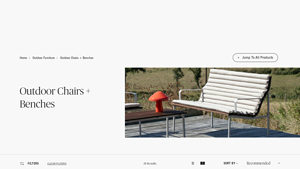
Introduction : Soldes du vendredi noir : 25% - Chaises et bancs modernes pour l'extérieur. Les catégories incluent Chaises de salle à manger pour l'extérieur (37 produits), Bancs pour l'extérieur (26 produits), Meubles de salle à manger pour l'extérieur (16 produits), Ottomans et poufs pour l'extérieur (2 produits), Meubles d'extérieur chauffants (1 produit), Accessoires et décorations pour l'extérieur (1 produit), Chaises longues pour l'extérieur (1 produit), Tables d'appoint et tables à café pour l'extérieur (1 produit), Tabourets pour l'extérieur....
5. Wabash Valley - Heritage Collection Bancs d'extérieur
Domaine : wabashvalley.com
Enregistré : 1996 (29 ans)
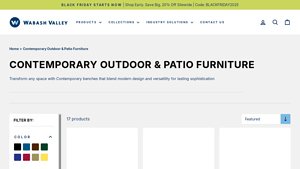
Introduction : {"products" :[{"name" : "Heritage Collection Contemporary Diamond Outdoor Bench", "price" : "$1,398.00″, "colors" :["Blue", "Red", "Green", "Black", "Yellow", "Purple"]},{"name" : "Heritage Collection Contemporary Perforated Outdoor Bench", "price" : "$1,542.00″, "colors" :["Blue", "Green", "Red", "Black", "Yellow", "Purple"]},{"name" : "Heritage Collection Contemporary Rib Outdoor Bench", "price" : "$1,553.00″, "colors" :["Blue...
6. IKEA - Bancs d'extérieur
Domaine : ikea.com
Enregistré : 1995 (30 ans)
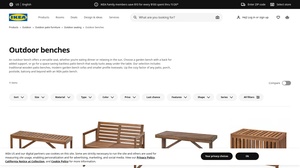
Introduction : Les bancs d'extérieur IKEA offrent des possibilités d'assise polyvalentes pour diverses activités de plein air. Caractéristiques principales :
- Options avec ou sans dossier pour le confort et le gain de place.
- Les matériaux sont principalement constitués de bois massif ou de métal, ce qui leur confère durabilité et attrait esthétique.
- Différents styles sont disponibles, notamment des bancs traditionnels en bois, des modèles modernes en métal et des causeuses plus petites.
- Les prix r...
7. Pinterest - Bancs modernes pour l'extérieur
Domaine : pinterest.com
Enregistré : 2009 (16 ans)
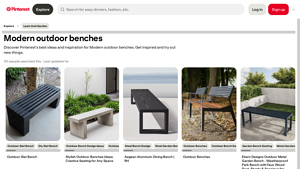
Introduction : Bancs d'extérieur modernes, Bancs d'extérieur design, Bancs modernes, Sièges d'extérieur modernes, Idées de bancs de patio, Bancs d'extérieur à lattes, Bancs à lattes Diy, Bancs à lattes, Bancs d'extérieur modernes à lattes en bois, Bancs d'extérieur en béton, Bancs en acier design, Bancs en acier robuste, Bancs de salle à manger en aluminium Aegean, Bancs d'extérieur en métal Ebern Designs, Sièges d'extérieur avec jardinières, Bancs minimalistes design, Bancs modulaires, Bancs à lattes...
Conclusion et perspectives en matière d'approvisionnement stratégique pour le banc moderne d'extérieur
Dans le paysage évolutif du mobilier d'extérieur, les bancs d'extérieur modernes se distinguent comme un investissement stratégique pour les acheteurs B2B sur divers marchés internationaux, y compris l'Afrique, l'Amérique du Sud, le Moyen-Orient et l'Europe. Leur polyvalence, leur design compact et leur attrait esthétique en font un choix idéal pour optimiser les espaces extérieurs limités tout en améliorant l'ambiance générale de n'importe quel endroit. Les entreprises accordant de plus en plus d'importance aux expériences en plein air, l'intégration de bancs modernes dans les espaces commerciaux peut améliorer la satisfaction et l'engagement des clients.
L'approvisionnement stratégique de ces bancs est essentiel. Les acheteurs doivent prendre en compte des facteurs tels que la durabilité des matériaux, la compatibilité du design et la multifonctionnalité, afin de s'assurer que leurs sélections répondent aux exigences des différents climats et scénarios d'utilisation. En s'adressant à des fournisseurs réputés qui proposent des options personnalisables, il est possible d'aligner davantage les produits sur l'identité de la marque et les préférences des clients.
À l'avenir, la demande de sièges d'extérieur élégants et fonctionnels devrait augmenter. Les acheteurs internationaux sont encouragés à explorer les designs innovants et les matériaux durables qui non seulement améliorent leurs offres d'extérieur, mais résonnent également avec les consommateurs soucieux de l'environnement. En donnant la priorité à l'approvisionnement stratégique dès maintenant, les entreprises peuvent se positionner pour réussir sur le marché concurrentiel du mobilier d'extérieur.
Avis de non-responsabilité et conditions d'utilisation
⚠️ Avis de non-responsabilité important
Les informations fournies dans ce guide, y compris le contenu concernant les fabricants, les spécifications techniques et l'analyse du marché, sont uniquement destinées à des fins d'information et d'éducation. Elles ne constituent pas un conseil professionnel en matière d'achat, un conseil financier ou un conseil juridique.
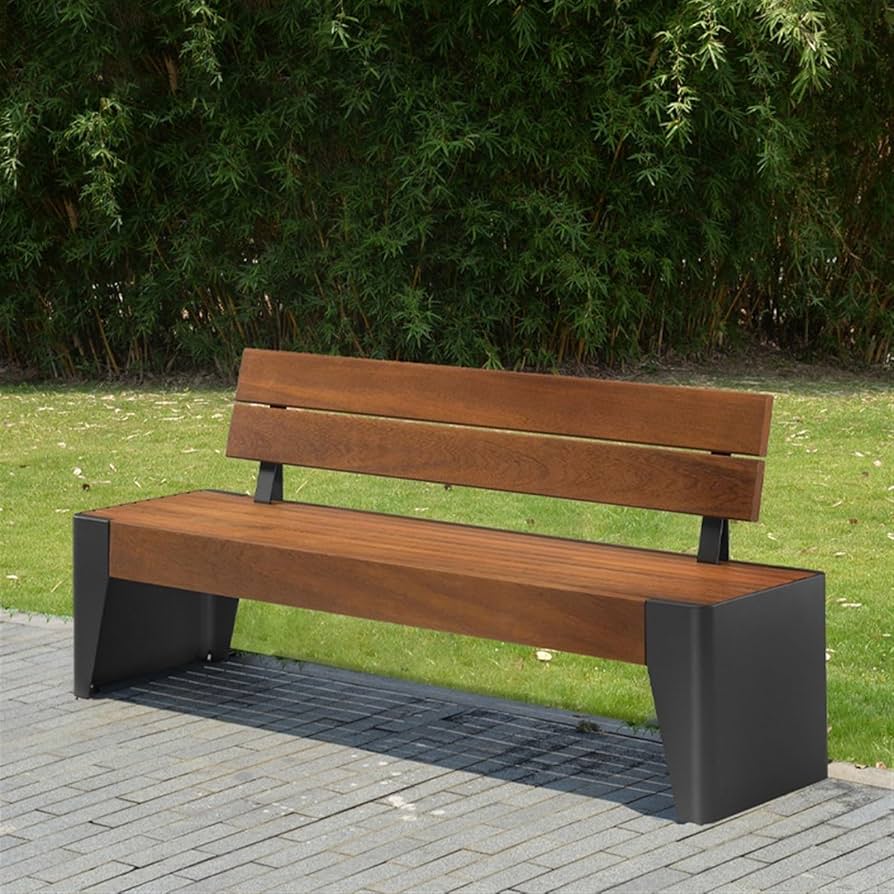
Image d'illustration relative au banc moderne d'extérieur
Bien que nous ayons fait tout notre possible pour garantir l'exactitude et l'actualité des informations, nous ne sommes pas responsables des erreurs, des omissions ou des informations obsolètes. Les conditions du marché, les détails de l'entreprise et les normes techniques sont susceptibles d'être modifiés.
Les acheteurs B2B doivent faire preuve d'une diligence raisonnable indépendante et approfondie. avant de prendre toute décision d'achat. Il convient notamment de contacter directement les fournisseurs, de vérifier les certifications, de demander des échantillons et de solliciter une consultation professionnelle. Le risque lié à l'utilisation des informations contenues dans ce guide est supporté uniquement par le lecteur.


 French
  English
  Russian
  Arabic
  Portuguese
  Japanese
  German
  Spanish
  Afrikaans
  Greek
Greek  Italian
  Thai
Thai