
Εισαγωγή
Workers in electrical utilities, oil and gas operations, welding, chemical processing, manufacturing, and other high-risk industries may face sudden exposure to flame, intense heat, or electric arcs. In these environments, ordinary work uniforms may ignite, melt, or continue burning, potentially increasing the severity of an injury.
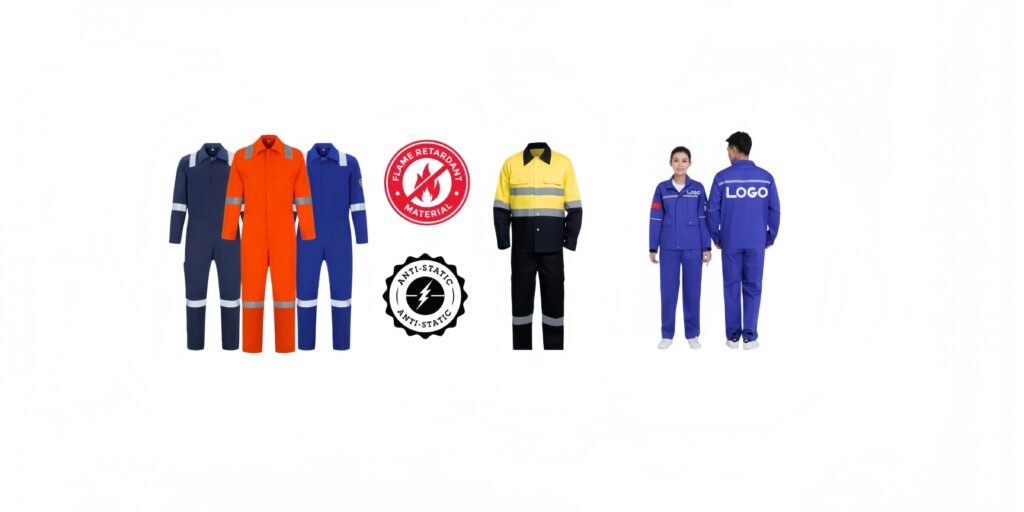
This is where FR clothing becomes important.
FR clothing is designed to reduce the risk of burn injuries caused by short-duration thermal exposure. It does not make a worker fireproof, and it cannot eliminate workplace hazards. Instead, it forms part of a broader personal protective equipment program based on hazard assessment, safe working procedures, training, and appropriate protective equipment.
This guide explains seven powerful facts about FR clothing, including what the term means, how the clothing works, which materials are commonly used, where it is required, and how employers should select and maintain it.
The seven facts at a glance
- FR clothing means flame-resistant clothing.
- FR clothing is not fireproof.
- FR clothing works by limiting ignition and continued burning.
- FR clothing can be made from several different materials.
- Flame-resistant and arc-rated clothing are related but not identical.
- FR clothing is used in several high-risk industries.
- Correct selection, fit, care, and replacement are essential.
1. FR Clothing Means Flame-Resistant Clothing
The abbreviation FR clothing most commonly means flame-resistant clothing. The term describes garments designed to resist ignition, limit flame spread, and stop burning after the ignition source has been removed.
Some people also use FR to mean flame-retardant. There is, however, a technical distinction. Flame-resistant generally describes a material with inherent or engineered properties that resist ignition and continued burning. Flame-retardant treated describes a fabric that has received a chemical treatment to provide flame-resistant performance.
In workplace use, FR clothing may include both inherently flame-resistant garments and garments made from flame-retardant treated fabrics. The correct garment depends on the hazard, expected exposure level, working environment, and applicable safety requirements.
- Work shirts
- Work trousers
- Coveralls
- Jackets
- Bib overalls
- Insulated garments
- Laboratory coats
- Balaclavas and hoods
- Base layers
- High-visibility protective garments
2. FR Clothing Is Not Fireproof
One of the most important facts about FR clothing is that it is not fireproof.
A flame-resistant garment can still be damaged when exposed to sufficient heat, flame, molten material, or electric-arc energy. Its purpose is to reduce ignition, limit continued burning, and provide the worker with valuable time to move away from the hazard.
Ordinary synthetic fabrics may melt when exposed to intense heat. Melted material can adhere to the skin and worsen a burn injury. Untreated cotton does not melt, but it can ignite and continue burning depending on the fabric weight, construction, and exposure conditions.
FR clothing should never be treated as the only form of protection. Employers must first identify hazards and reduce risk through engineering controls, safe systems of work, equipment maintenance, employee training, and appropriate work practices. The garment is a final protective layer when a thermal incident cannot be completely prevented.
3. FR Clothing Works by Limiting Ignition and Continued Burning
FR clothing works differently depending on the fabric and fiber system. Some FR fabrics use fibers that are inherently resistant to flame, meaning the protective property is part of the fiber’s chemical structure. Other fabrics, particularly cotton-based materials, receive a durable flame-resistant treatment during manufacturing.
When properly designed and tested, FR clothing can provide several important protective functions.
- Resist or delay ignition
- Limit flame spread
- Self-extinguish after the heat source is removed
- Reduce the duration of burning
- Reduce heat transfer to the wearer
- Avoid melting onto the skin
- Help reduce the extent and severity of burn injuries
FR performance depends on more than the fiber name. Fabric weight, weave, garment construction, closures, seams, labels, reflective materials, contamination, wear, and maintenance can all influence overall protection.
A buyer should therefore not assume that any cotton shirt, heavy jacket, or thick fabric qualifies as FR clothing. Protective garments should be selected according to verified performance and the intended hazard.
4. FR Clothing Can Be Made From Several Different Materials
There is no single standard composition for all FR clothing. Manufacturers use different fiber systems to balance protection, comfort, durability, weight, moisture management, and cost.
Common FR Clothing Material Categories
Treated FR Fabrics
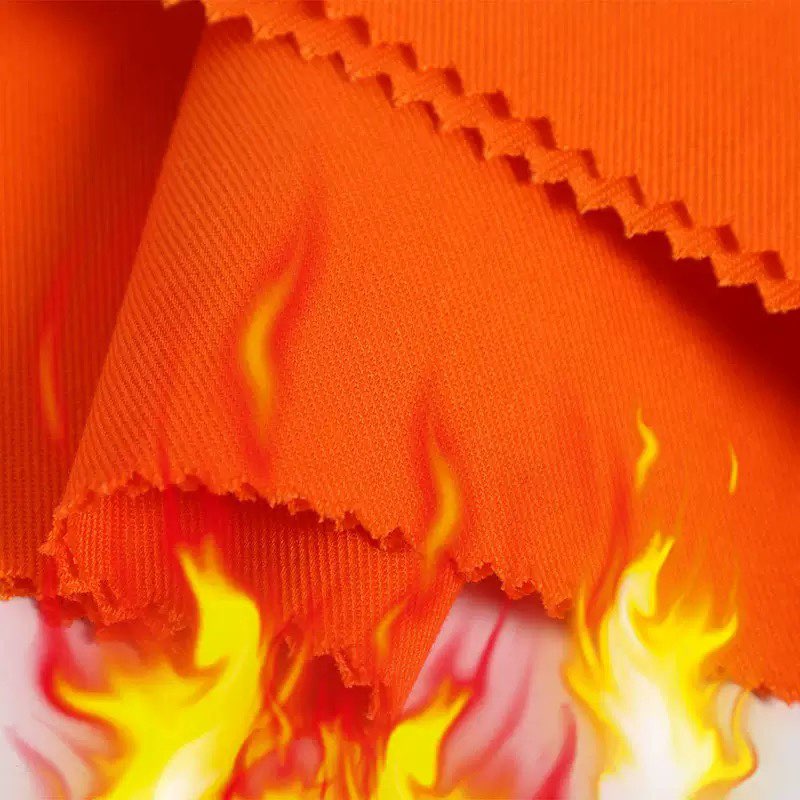
Flame-resistant treated cotton
Treated cotton is one of the most widely recognized FR clothing materials. It offers a familiar cotton feel, good moisture absorption, and reasonable comfort. The cotton fabric undergoes a controlled chemical treatment that provides durable flame-resistant properties.
Common fabric weights range from approximately 180 to 350 GSM, depending on whether the garment is intended for lightweight shirts, general coveralls, or heavier industrial workwear.
Flame-resistant cotton blends
Cotton may be blended with other fibers to improve durability, drying speed, strength, or protective performance. Typical blends may contain cotton, nylon, modacrylic, aramid, conductive fibers, or other engineered protective fibers.
These blends are often selected when a company requires both flame resistance and additional properties such as antistatic performance, improved abrasion resistance, or lower garment weight.
Inherently FR Fabrics
Modacrylic blends
Modacrylic is an inherently flame-resistant fiber commonly blended with cotton, viscose, nylon, or other fibers. Modacrylic-rich fabrics can provide a useful balance of flame resistance, softness, comfort, and moisture management.
They are often used for lightweight FR clothing, industrial uniforms, base layers, and garments requiring several protective properties.
Aramid fabrics
Aramid fibers are known for heat resistance, strength, and flame-resistant performance. Meta-aramid and para-aramid fibers may be used alone or in blends.
Aramid-based FR clothing is frequently selected for electrical, industrial, emergency-response, and higher-risk thermal applications. These materials may cost more than treated cotton, but they can provide strong protection at a relatively low fabric weight.
Flame-resistant viscose blends
Flame-resistant viscose can improve softness, breathability, and moisture management. It is commonly blended with aramid or modacrylic fibers rather than used as the only component.
Multilayer FR systems
Some hazards require several garment layers or a multilayer protective system. A system may include an FR base layer, FR work shirt, FR trousers or coveralls, insulated FR jacket, arc-rated outer layer, protective hood, and gloves.
Layering can improve protection, but every layer must be compatible with the identified hazard. Ordinary meltable synthetic clothing worn beneath FR clothing may introduce additional risk during intense thermal exposure.
FR Fabric Systems at a Glance
| FR fabric system | Typical composition | Common weight range | Main advantages |
| Treated FR cotton | 100% cotton with durable FR treatment | 180–350 GSM | Comfortable, absorbent, familiar cotton feel |
| FR cotton blend | Cotton with nylon, modacrylic, aramid, or conductive fiber | 180–380 GSM | Balanced protection, durability, and comfort |
| Modacrylic blend | Modacrylic with cotton, viscose, or nylon | 140–340 GSM | Inherent FR performance and soft hand feel |
| Aramid blend | Meta-aramid, para-aramid, and other protective fibers | 150–300 GSM | High heat resistance and strength at lower weight |
| FR viscose blend | FR viscose with aramid or modacrylic | 160–300 GSM | Breathability and moisture management |
| Multilayer FR system | Several FR layers, membranes, and insulation | 300–600+ GSM | Higher thermal protection for specialized hazards |
5. Flame-Resistant and Arc-Rated Clothing Are Related but Not Identical
The terms flame-resistant clothing and arc-rated clothing are sometimes used interchangeably, but they do not mean exactly the same thing.
Flame-resistant clothing is designed to resist ignition and continued burning. Arc-rated clothing is FR clothing that has also been tested to determine its protective performance against electric-arc energy. An arc rating is normally expressed in calories per square centimeter, or cal/cm².
All arc-rated clothing is flame resistant, but not all flame-resistant clothing is arc rated.
This distinction is critical in electrical work. A general flame-resistant coverall may be appropriate for a flash-fire hazard but may not provide the required arc rating for a particular electrical task.
Employers should review the hazard assessment, estimated incident energy, garment arc rating, body areas requiring protection, need for face and hand protection, and compatibility of all protective layers.
ASTM F1506 is a major performance specification associated with flame-resistant and arc-rated protective clothing for electrical workers. NFPA 70E is also widely used to support electrical workplace safety programs and arc-flash PPE selection. For industrial flash-fire hazards, NFPA 2112 addresses flame-resistant clothing for industrial personnel exposed to short-duration thermal events.
6. FR Clothing Is Used in Several High-Risk Industries
Energy and Process Industries
Πετρέλαιο και φυσικό αέριο
Drilling, production, refining, and servicing operations can involve flammable gases, vapors, liquids, and ignition sources. FR clothing is commonly used where a workplace assessment identifies a credible flash-fire hazard.
Electrical utilities
Workers involved in generation, transmission, distribution, maintenance, and energized electrical work may face electric-arc hazards. These workers may require arc-rated FR clothing selected according to the estimated incident energy.
Petrochemical and chemical processing
Refineries, chemical plants, storage terminals, and processing facilities may contain flammable materials capable of producing short-duration thermal exposure. Garment selection must reflect both thermal and chemical risks.
Heat-Intensive, Infrastructure, and Response Work
Welding and metalworking
Welders and metalworkers may be exposed to sparks, hot surfaces, radiant heat, and molten-metal particles. The protection system may include task-specific welding garments, leather, FR clothing, gloves, and face protection.
Utilities and infrastructure
Gas, telecommunications, railway, and infrastructure workers may require FR clothing when their tasks place them near potential flame or electrical hazards.
Κατασκευή
Certain processes involve combustible dust, flammable liquids, hot work, furnaces, electrical equipment, or thermal hazards. FR clothing may be required for specific tasks even when it is not needed throughout the entire facility.
Emergency and industrial response
Response teams may need specialized garments designed for the exact thermal, chemical, and physical hazards they face. Industrial FR workwear is not a substitute for structural firefighting turnout gear.
7. Correct Selection, Fit, Care, and Replacement Are Essential
Even high-quality FR clothing can provide inadequate protection if it is incorrectly selected, badly fitted, contaminated, damaged, or improperly washed.
Before Work Begins
Start with a hazard assessment
Identify the type of thermal hazard, likely intensity and duration of exposure, required protective standard, necessary garment coverage, environmental conditions, movement requirements, and other PPE used with the garment.
Check the garment label
The label should provide relevant information such as the manufacturer, product identification, size, fiber composition, applicable standard, arc rating where relevant, care instructions, and traceability information.
Do not select a garment solely because a supplier describes it as fireproof, flameproof, or FR style.
Select a practical fit
FR clothing should fit comfortably without being excessively tight or loose. A garment that is too tight may reduce insulating air space, while a garment that is too loose may interfere with equipment or safe movement.
The design should provide proper coverage during bending, reaching, climbing, and kneeling.
During Use
Keep the garment properly fastened
Shirts, coveralls, jackets, cuffs, and collars should be worn as designed. Rolling up sleeves, leaving the front open, or removing required layers can expose skin and reduce protection.
Prevent contamination
Oil, grease, solvents, combustible dust, paint, and other flammable contaminants may reduce FR performance. Contaminated clothing should be thoroughly cleaned where possible or removed from service.
Care, Inspection, and Replacement
Wash FR clothing correctly
Follow the garment manufacturer’s laundering instructions and the employer’s protective-clothing program. The correct method depends on the fabric system.
Certain detergents, bleaches, softeners, starches, and industrial chemicals may affect FR clothing. Home laundering may be permitted for some products, but the employer remains responsible for ensuring the garment is maintained in a reliable condition.
Inspect and replace damaged garments
Inspect for holes, tears, worn areas, open seams, damaged closures, heavy staining, chemical contamination, missing labels, damaged reflective tape, and unauthorized alterations.
Repairs should use compatible FR materials, thread, and construction methods. Remove a garment from service when it can no longer provide reliable protection or coverage.
How to Choose the Right FR Clothing
A practical FR clothing selection process should follow five steps.
Step 1: Complete a Documented Hazard Assessment
Identify whether the main concern is flash fire, electric arc, welding exposure, radiant heat, or another thermal event.
Step 2: Determine the Required Standard and Protection Level
A garment for an industrial flash-fire hazard may require different testing from an arc-rated garment used by an electrical worker.
Step 3: Compare Material Performance
Review fiber composition, fabric weight, thermal performance, arc rating where relevant, durability, shrinkage, breathability, and laundering requirements.
Step 4: Evaluate Garment Design
Check body coverage, pockets, closures, cuffs, reflective tape, reinforcement, fit, and compatibility with gloves, helmets, harnesses, and other PPE.
Step 5: Establish an Inspection and Maintenance Program
Employees should understand how to wear, clean, store, inspect, report damage to, and replace their FR clothing.
Common FR Clothing Fabric Weights
Fabric weight is commonly measured in grams per square meter, or GSM. The following ranges are general market references rather than universal protection levels.
| Approximate fabric weight | Typical application |
| 140–180 GSM | Lightweight FR shirts and hot-weather garments |
| 180–240 GSM | Lightweight coveralls and general warm-weather workwear |
| 240–300 GSM | Standard industrial FR clothing and coveralls |
| 300–380 GSM | Heavy-duty workwear and higher-abrasion applications |
| Above 380 GSM | Insulated, multilayer, or specialized thermal protection |
A heavier fabric may offer greater durability and thermal insulation, but GSM alone does not establish the level of protection. A lightweight engineered fabric may outperform a heavier untreated material. Buyers should prioritize tested performance, hazard suitability, and garment certification rather than fabric weight alone.
Frequently Asked Questions About FR Clothing
What does FR mean in clothing?
FR usually means flame-resistant. It describes clothing designed to resist ignition, limit flame spread, and stop burning after the ignition source has been removed.
Is FR clothing completely fireproof?
No. FR clothing can still be damaged by sufficient heat or flame. It is designed to reduce ignition and continued burning, not to make the wearer immune to fire.
Is 100% cotton considered FR clothing?
Not automatically. Cotton does not melt, but untreated cotton can ignite and continue burning. Cotton clothing must meet the required flame-resistant performance before it should be described and used as FR clothing.
Is all FR clothing arc rated?
No. Arc-rated clothing has been specifically tested for electric-arc exposure. All arc-rated garments are flame resistant, but not every FR garment has an arc rating.
How long does FR clothing last?
There is no single lifespan for every garment. Service life depends on the fiber system, washing method, frequency of wear, contamination, abrasion, damage, repairs, and manufacturer instructions.
Can FR clothing be washed at home?
Some FR clothing may be home-laundered when the manufacturer’s instructions and the employer’s program permit it. The employer must still ensure that the garment remains properly maintained and suitable for use.
When should FR clothing be replaced?
Remove it from service when it is severely worn, torn, contaminated, incorrectly repaired, permanently stained with flammable substances, or otherwise unable to provide reliable protection and coverage.
Συμπέρασμα
FR clothing is a critical form of protective workwear for employees exposed to short-duration flame, flash-fire, and electric-arc hazards.
Its purpose is not to make workers fireproof. Properly selected FR clothing helps resist ignition, limit continued burning, reduce heat transfer, and decrease the potential severity of thermal injuries.
Effective protection depends on more than the fabric name. Employers must consider hazard type, exposure level, applicable standards, garment certification, arc rating where required, fit, coverage, laundering, contamination, inspection, and replacement.
FR clothing should always be matched to the actual workplace hazard.
When FR clothing is supported by a proper safety program, employee training, suitable work practices, and compatible PPE, it becomes an important part of protecting workers in high-risk industrial environments.
Selected References
CDC PPE-Info: ASTM F2757 Care and Maintenance Guidance
OSHA: Flame-Resistant Clothing in Oil and Gas Operations
OSHA: Electric Power Generation, Transmission, and Distribution – Appendix E
OSHA: Best Practices for Arc Exposures and FR Clothing
OSHA: Employer Responsibilities for FR Clothing Maintenance
ASTM F1506: Flame-Resistant and Arc-Rated Protective Clothing
NFPA 2112: Flame-Resistant Clothing for Industrial Personnel


 Greek
Greek  English
  Russian
  Arabic
  Portuguese
  Japanese
  German
  Spanish
  Afrikaans
  Italian
  Thai
Thai  French