As one of the China’s leading PPE manufacturers since 2009, we would like to share what are the best PPE products for mining from the perspective of the type of minerals and resources so as to boost the understanding of PPE role in mining industries. Mining is a high-risk industry.
The following is a list of PPE Products for Mining:
Inhaltsübersicht
PPE products for Mining Industry
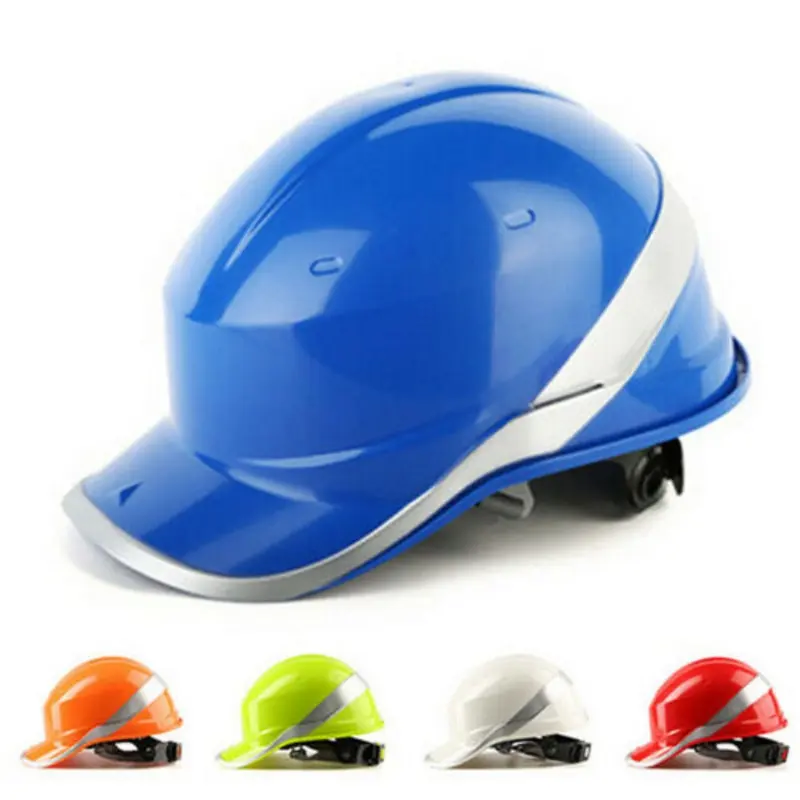
Helmets
Enhanced impact resistance: Miners’ helmets need to have higher impact resistance to prevent rocks or minerals from falling and injuring the head.
Puncture proof: The crown is reinforced to resist piercing by sharp objects.Anti-electrical insulation: used in electrified mines, safety hats need to have an insulation function to prevent electric shock accidents.
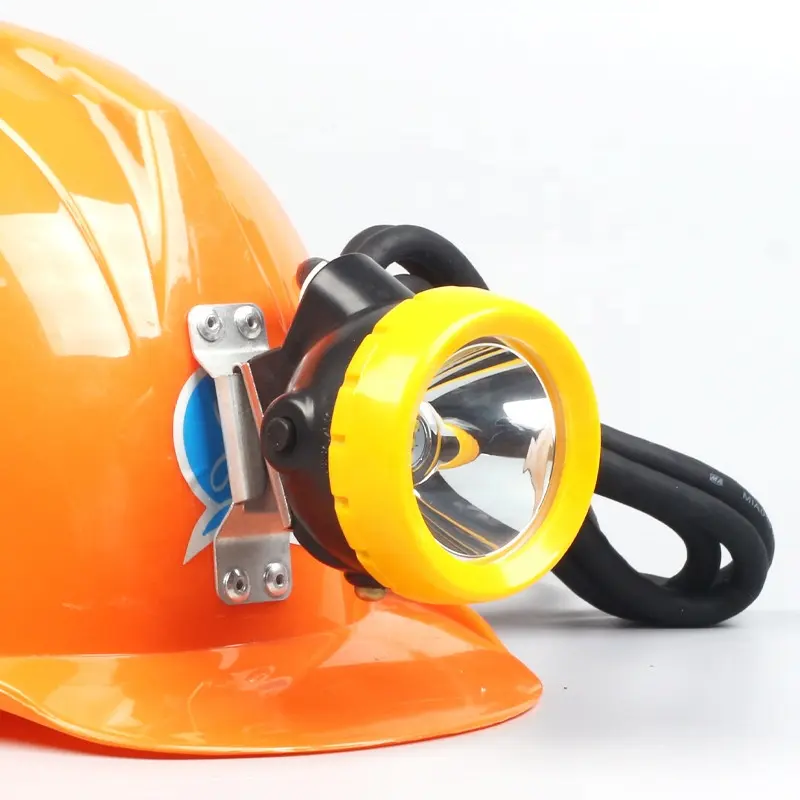
Headlamp fixing: The front is equipped with a headlamp mounting clip, which is convenient for lighting in dim mines.High temperature and fire resistance: with high temperature and fire resistance, adapt to the mine high temperature environment.
Ventilation design: The ventilation hole enhances the air permeability and reduces the stuffy feeling of wearing for a long time under the mine.
Reinforcement material: High-strength polyethylene or composite material is usually used to ensure durability and long-term protection.
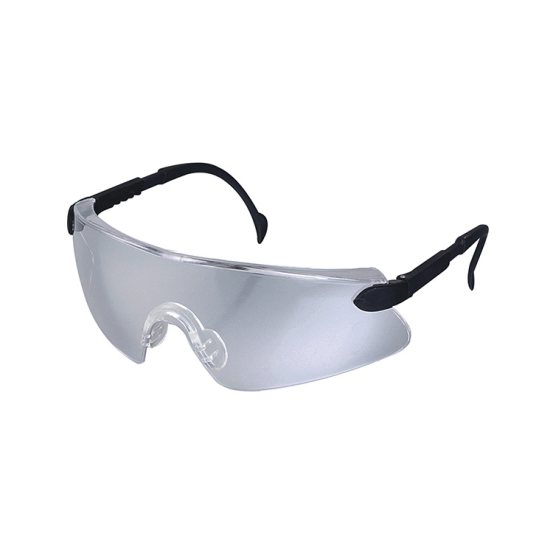
Anti-debris impact: It has impact resistance to prevent splashing ore, dust, or debris from entering the eye.
Dust and wind: sealed design, effectively block the dust and wind sand in the mine, protect eyesight.
Scratch-resistant lens: The surface of the lens is scratch-resistant to ensure clear and non-destructive use in harsh environments for a long time.
Fog resistance: The special coating prevents the lens from fogging in wet or high-temperature environments, ensuring a clear line of sight down the mine.
Uv protection: Some miner’s glasses have UV protection to protect the eyes from long-term underground light or reflected light damage.
Comfortable fit: ergonomic design, comfortable to wear, to prevent pressure after prolonged use.
Chemical corrosion resistance: It can resist the chemical substances or corrosive gases in the mine and extend the service life of the glasses.
Miners could need heavy duty rain boots and safety boots with steel toe or composite toe and puncture resistance in case of penetration, impact and slipping.
Anti-smash protection: steel toe shoes prevent heavy objects from being smashed.
Anti-puncture: The sole protective layer resists piercing by sharp objects.
Anti-slip design: Ensure stable walking on slippery ground.
Wear-resistant and durable: suitable for harsh mine environments.
Waterproof and oil-resistant: keep feet dry to prevent liquid penetration.
Comfortable support: It is still comfortable to wear for a long time and provides foot support.
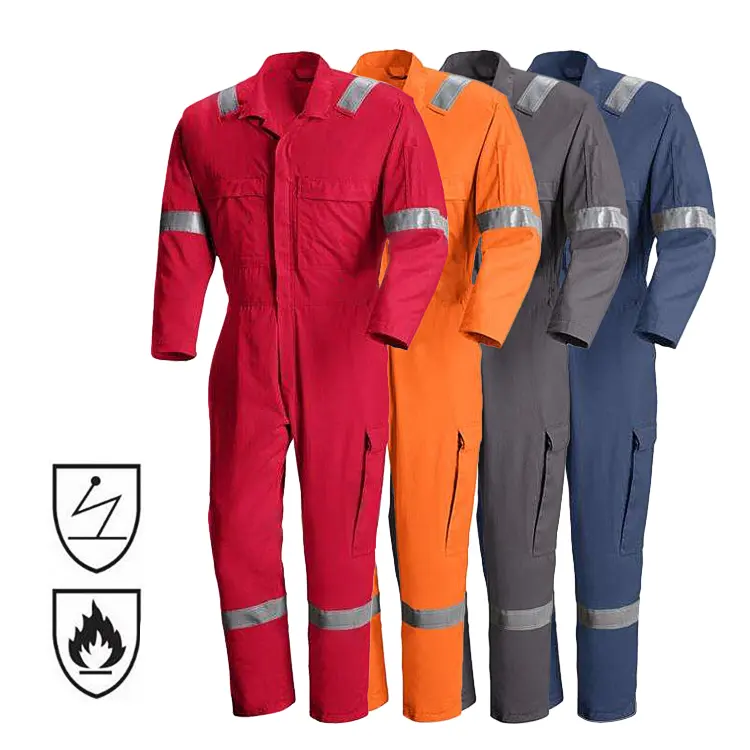
Fire-resistant or chemical resistant coveralls, aprons, long sleeves and full-body suits or jackets could be necessary to fight against fire hazards or extreme temperatures.
Iron Ore Mining: Extraction of iron-rich minerals for steel production.
Copper Mining: Extraction of copper ores for electrical wiring and other applications.
Gold Mining: Extraction of gold, often from quartz veins or placer deposits.
Zinc, Lead, and Nickel Mining: Other important metal extractions used in manufacturing and industrial applications.
Coal Mining
Extraction of coal used primarily as a fuel for electricity generation. Two main methods include surface (open-pit or strip mining) and underground mining.
Non-Metallic Mineral Mining
Extraction of minerals used for industrial or construction purposes, such as:
Limestone Mining: For cement production.
Clay and Gypsum Mining: For building materials.
Phosphate Mining: For fertilizers.
Salt Mining: Extraction of salt, either through traditional mining or solution mining methods.
Oil and Gas Extraction
Involves the extraction of hydrocarbons (oil and natural gas) from underground reservoirs. This is typically done through drilling wells or fracking (hydraulic fracturing) in unconventional reservoirs.
Gemstone Mining
Involves the extraction of precious or semi-precious stones like diamonds, emeralds, rubies, and sapphires, either through open-pit, placer, or underground mining.
Difference of PPE Requirements between Metal Mining and Coal Mining
The PPE products for mining requirements between metal mining and coal mining can be quite similar. But the performance and function of the safety products could be slightly different.
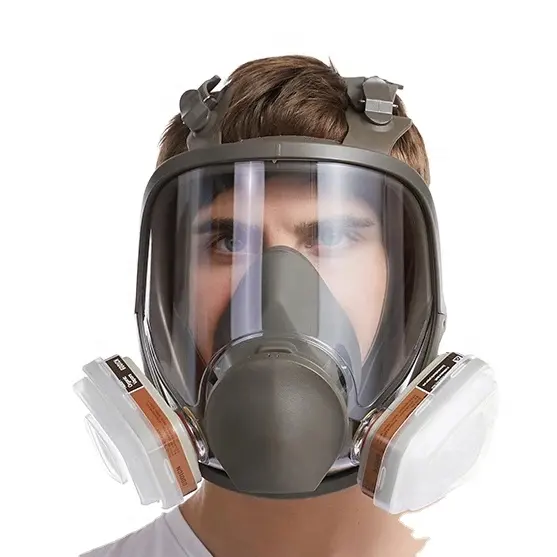
Metal mining often releases dust, fumes, and chemicals, while coal mining creates too much coal dust. So the respirators or masks for metal mining tend to filter out toxic materials like lead, arsenic, or cadmium. And the masks for coal mining are mainly protection from coal dust.
Coal mining requirements fire retardant coverall are much higher than metal mining’s, due to high risks of methane explosions and coal dust ignitions.
We use safety goggles or face shields against sparks, metal shavings, and chemicals. But in coal mining, the safety glasses for coal mining are just for coal dusts and debris.
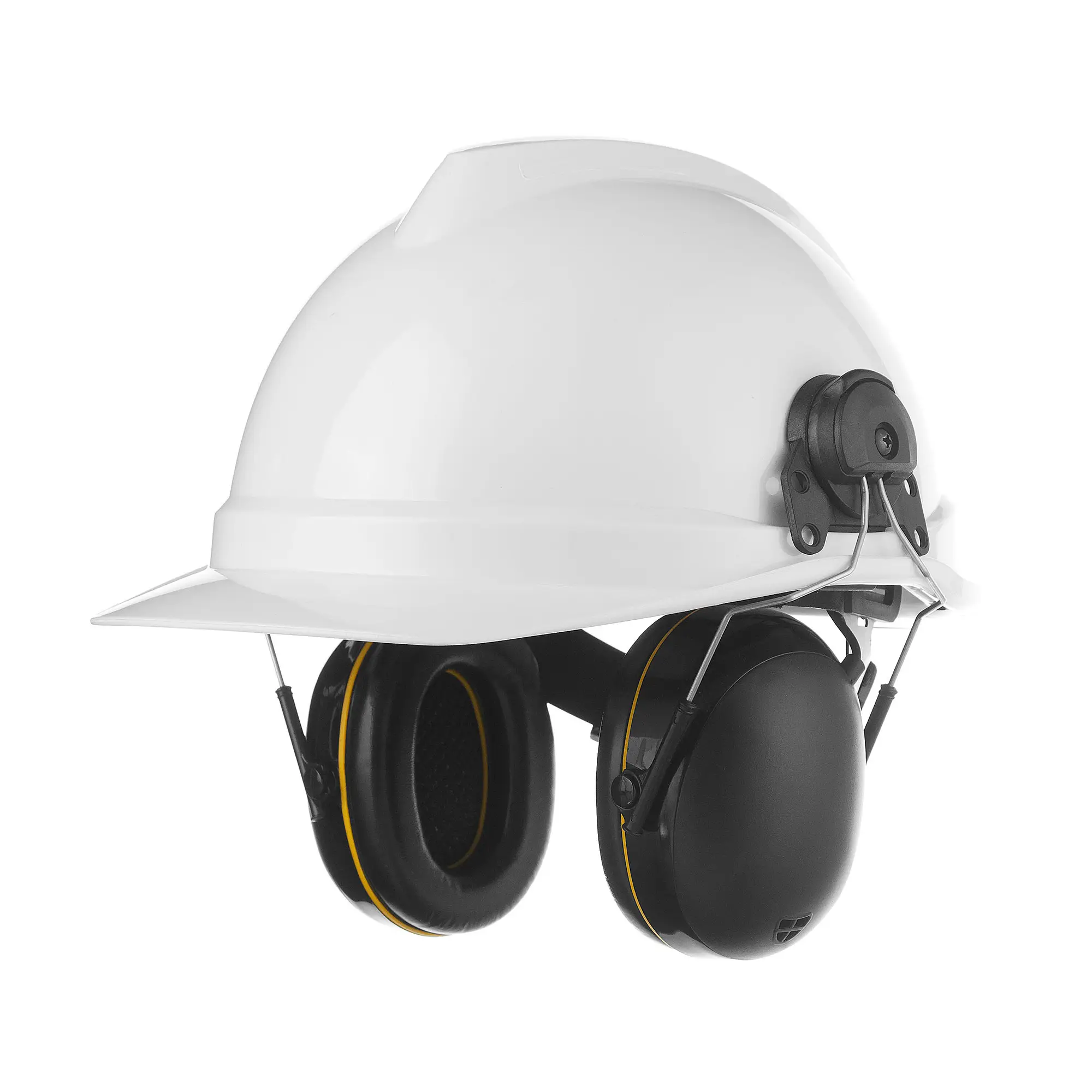
Heavy machinery for drilling, blasting, and crushing could create noise hazards, earmuffs or earplugs with a higher NNR required. The requirements for earplugs could vary too much in coal mining.
Metal miners would prefer steel toe safety boots with puncture resistant soles. However, slip resistant soles and waterproof performance of the safety boots are more important in wet underground environments
Workers in gas and oil extraction would need air-purifying respirators because of H₂S gas, a kind of toxic acid gases, while the respirators in coal mining are mainly for filtering out the particulate and protection for methane gas leak out.
Flame-resistant clothing are worn throughout the shift in oil and gas extraction. And fire resistant hoods or balaclavas and fire resistant gloves can be carried. However. the fire resistant coverall in coal mining is mainly in case of any gas or methane explosions.
Earplugs or earmuffs with higher NNR is needed in oil and gas extraction because of the noise from heavy machinery, drilling rigs, pumps, and compressors. But the requirements in coal mining are not so strong.
Chemical resistant soles for safety boots in oil and gas extraction is a must. The boots must be slip-resistant in oil spills. Regular safety boots with slip resistance would be fine. Also heavy duty rain boots in coal mining could be used.
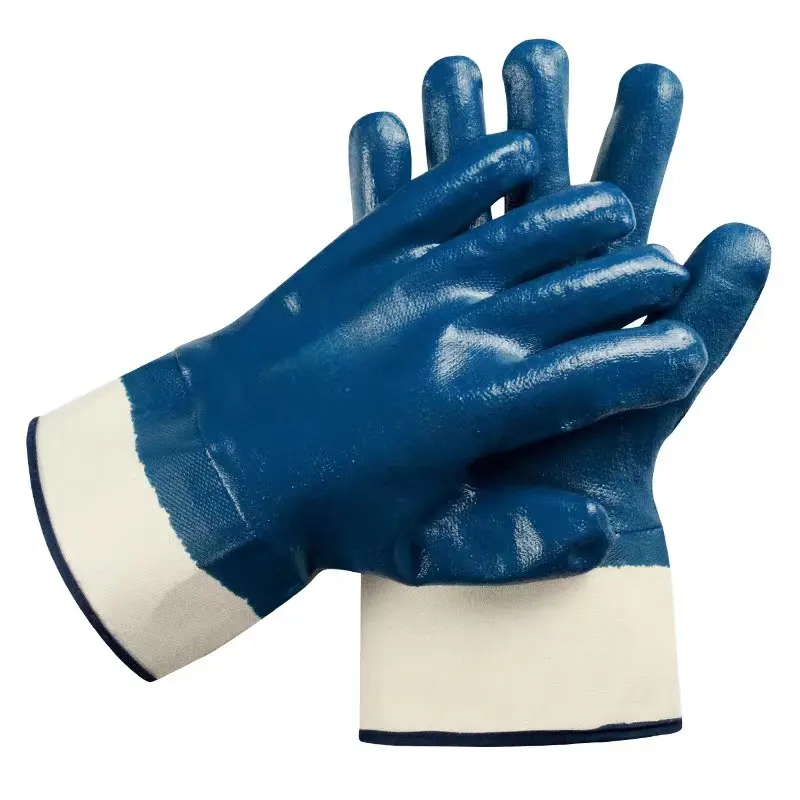
As for hand protection, oil and gas extraction workers have to use chemical resistant (like nitrile-coated gloves) and heat resistant gloves, while handling chemicals. In coal mining, cut resistance and heavy duty would be more preferred.
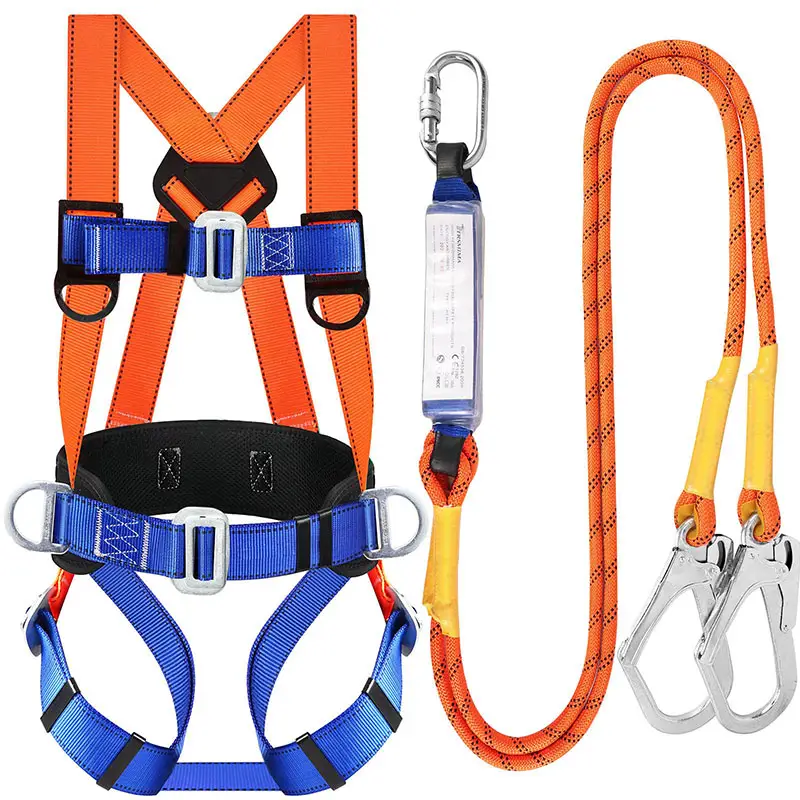
Full-body safety harness and lanyards are more often used in oil and gas extraction, especially on oil rigs, derricks, and elevated platforms. They are seldom used in coal mining.
In short, safety products are used in all kinds of mining industry. But there could be different requirements. We shall be clear about what safety products and their requirements in details we need in specific mining industry. Any other doubts about PPE products for mining, pls feel free to contact us for further discussion. Here you can check our contact https://toprisesafety.com/contact-us/
Haben Sie eine Frage? Nehmen Sie mit dem unten stehenden Formular sofort Kontakt auf. Unser Kundendienstteam wird sich bald mit Ihnen in Verbindung setzen.






 German
  English
  Russian
  Arabic
  Portuguese
  Japanese
  Spanish
  Afrikaans
  Greek
Greek  Italian
  Thai
Thai  French