
Sichere Arbeitsschutzkleidung : Baustellen verzeihen kein Rätselraten. Die richtige Arbeitsschutzkleidung hilft, Verletzungen vorzubeugen, verbessert die Sichtbarkeit, trotzt brutalem Wetter und sorgt dafür, dass Sie sich wohlfühlen und konzentriert arbeiten können. Ganz gleich, ob Sie zu einem Straßenteam gehören, ein Haus bauen, Beton gießen oder MEP-Installationen durchführen - Ihre Schutzkleidung sollte genauso hart arbeiten wie Sie selbst.
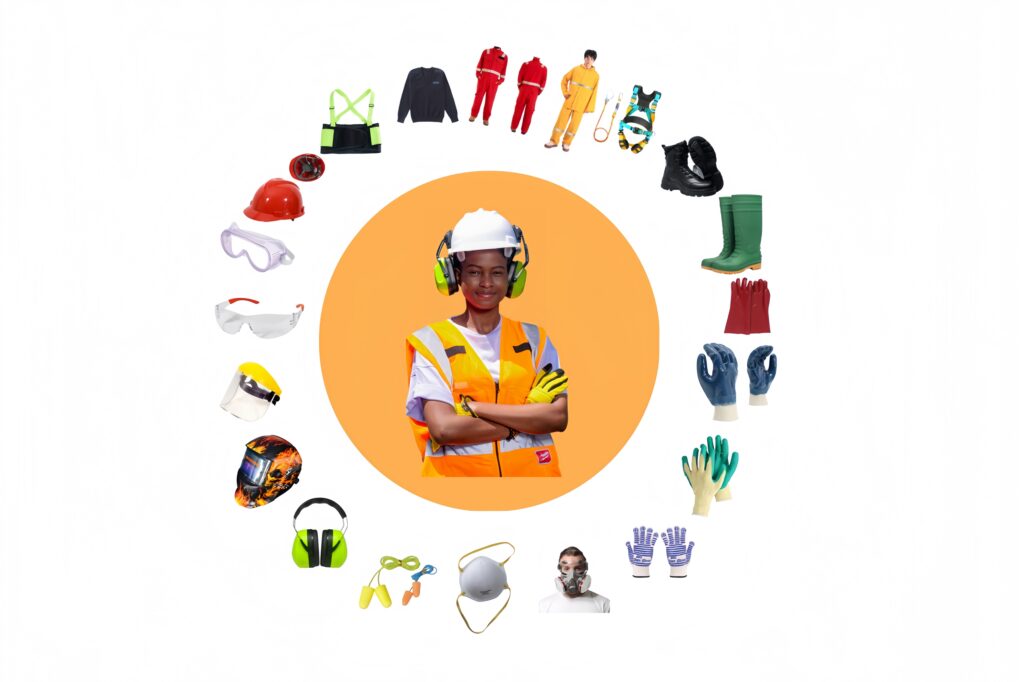
Dieser Leitfaden schlüsselt die beste Arbeitsschutzkleidung für das Baugewerbe nach Kategorien auf (was zu kaufen ist), nach wichtigen Standards (wie zu kaufen ist) und nach Tipps zu Passform und Material (wie man sie richtig trägt).
Schnelle Checkliste: Was "beste" Sicherheits- und Arbeitskleidung bedeutet
Bedeutet
- Sichtbarkeit: auf das Verkehrsrisiko und die Beleuchtung abgestimmte Hi-Vis-Klasse
- Fußschutz: Zehenschutz + Rutschfestigkeit + Durchstichschutz bei scharfkantigen Gegenständen
- Handschutz: Schnitt-/Stoß-/Chemikalienbeständigkeit je nach Aufgabe
- Kopf/Augen/Ohren: PSA, die passt, abdichtet und den ganzen Tag über bequem bleibt
- Wetterschutz: wasserdicht, winddicht, atmungsaktiv und schichtbar
- Strapazierfähigkeit: verstärkte Knie, Ripstop-Gewebe, Dreifachnähte
- Beweglichkeit: Stretcheinsätze, vorgeformte Knie, ergonomische Passform
1) Warnschutz-Arbeitskleidung (Hi-Vis-Hemden, -Westen, -Jacken)
Wenn Sie in der Nähe von Fahrzeugen, Geräten oder bei schlechten Lichtverhältnissen arbeiten, ist eine Warnweste unverzichtbar.
Worauf ist zu achten?
- Nach ANSI/ISEA 107 (USA) oder EN ISO 20471 (EU/Vereinigtes Königreich) eingestufte Warnschutzkleidung
- Klassenstufe: Klasse 2 für mäßige Exposition; Klasse 3 für Straßenrand, Nachtarbeit oder Bereiche mit hohem Verkehrsaufkommen
- Reflektierendes Band, das beim Bücken oder Knien sichtbar bleibt
- Feuchtigkeitsableitend für den Sommer; isoliert und wasserdicht für den Winter
- Reißfestes Gewebe, insbesondere im Bereich des Gürtels und der Schultern
Beste Auswahl nach Anwendungsfall
- Heißes Wetter: leichte, feuchtigkeitsregulierende Langarmkleidung (Schutz vor Sonne und Abrieb)
- Ganzjahresjacke: Hi-vis Softshell-Jacke mit verschweißten Nähten und atmungsaktiver Membran
- Budget + Konformität: Weste der Klasse 2 (ideal für Besucher oder den Einsatz in mehreren Schichten)
Profi-Tipp: Wenn Sie einen Klettergurt tragen, wählen Sie eine Warnweste, die so konzipiert ist, dass sie gut sichtbar ist und die Gurte den Oberkörper bedecken.
2) Sicherheitsstiefel, die Sie tatsächlich schützen
Ihre Stiefel sind Ihr Fundament. Die besten Baustiefel bieten ein ausgewogenes Verhältnis zwischen Schutz, Grip und Komfort.
Worauf ist zu achten?
- Sicherheitszehe: Stahl, Verbundwerkstoff oder Legierung
- Rutschfestigkeit für nasses Sperrholz, Betonstahl, Schlamm und Fliesenstaub
- Durchstichsichere Zwischensohle oder Platte für Nägel, Bewehrungsdraht und scharfen Schrott
- Schutz gegen elektrische Gefahren (EH) oder statische Aufladung, falls erforderlich
- Knöchelstütze für unebenes Terrain
- Abdichtungen für Regen, Schnee oder nasse Baugruben
Beste Auswahl nach Jobtyp
- Beton + nasse Umgebung: wasserdichter Stiefel + chemikalienbeständige Laufsohle
- Rahmung + allgemeine Baustelle: leichte Komposit-Spitze mit aggressivem Profil
- Industrie + schwerer Materialumschlag: robuster Lederstiefel mit verstärkter Zehenkappe
Fit-Tipp: Probieren Sie die Schuhe am Ende des Tages an. Ein sicherer Schuh, der Blasen verursacht, ist eine Ablenkung - und Ablenkungen verursachen Verletzungen.
3) Arbeitshandschuhe: Entsprechen der Gefahr, nicht dem Hype
Die Hände werden auf der Baustelle am meisten beansprucht. Die besten Handschuhe hängen davon ab, was Sie tun.
Gängige Handschuhtypen für das Baugewerbe
- Schnittfeste Handschuhe für Bleche, Glas, scharfe Kanten und Universalmesser
- Schlagfeste Handschuhe für Abbrucharbeiten, Rigging und schwere Vibrationswerkzeuge
- Chemikalienbeständige Handschuhe für Lösungsmittel, Klebstoffe und Betonzusatzmittel
- Allzweck-Griffhandschuhe zum Tragen, Hantieren und Befestigen
- Handschuhe für kaltes Wetter, die auch für Werkzeuge gut geeignet sind
Worauf ist zu achten?
- Der Schnitt sollte für Ihre Aufgaben geeignet sein (kaufen Sie nicht zu viele Handschuhe, wenn Sie Geschicklichkeit benötigen)
- Handflächenbeschichtung (Nitril/Latex) für Griffigkeit bei nassen oder öligen Bedingungen
- Touchscreen-Fingerspitzen, wenn Sie vor Ort Tablets verwenden
- Eng anliegender Verschluss am Handgelenk zum Schutz vor Verschmutzung
Eine Regel aus der Praxis: Halten Sie zwei Paare im Wechsel - eines für Präzisionsarbeiten, eines für schwere Arbeiten.
4) Schutzhelme und Helme: Komfort = Compliance
Wenn er unbequem ist, passt man ihn an oder nimmt ihn ab. Der beste Kopfschutz ist der, den man den ganzen Tag über richtig trägt.
Worauf ist zu achten?
- Typ und Klasse sind auf die Anforderungen des Standorts abgestimmt (Aufprall, Elektrik, usw.)
- Aufhängungssystem, das beim Blick nach oben/unten stabil bleibt
- Belüftungsöffnungen für heiße Klimazonen (falls zulässig)
- Optionen in Form eines Helms für besseren Halt und die Befestigung von Zubehör
- Kompatibilität des Zubehörs: Gesichtsschutz, Ohrenschützer, Stirnlampen
Tipp: Ersetzen Sie den Kopfschutz nach einem starken Aufprall, sichtbaren Schäden oder gemäß den Herstellerangaben - auch wenn er in Ordnung aussieht.
5) Augenschutz: Geben Sie sich nicht mit "nah genug" zufrieden
Fliegende Trümmer, Staub, Betonspritzer, Schleiffunken - Augenverletzungen sind schnell passiert.
Beste Auswahl nach Aufgabe
- Allgemeiner Standort: Rundum-Schutzbrille mit Anti-Beschlag-Beschichtung
- Schneiden/Schleifen: versiegelte Schutzbrille oder Brille mit Schaumstoffdichtung
- Betonarbeiten: spritzwassergeschützte Schutzbrillen
- Helle Bedingungen: getönte Gläser (überprüfen Sie die Vorschriften vor Ort)
Anti-Beschlag ist wichtiger, als Sie denken. Wenn Sie nicht sehen können, heben Sie die Brille - und dann werden Sie getroffen.
6) Gehörschutz: Schützen Sie Ihr Gehör, bevor es zu spät ist
Lärmschäden sind dauerhaft und kumulativ.
Beste Auswahl
- Schaumstoff-Ohrstöpsel: hoher NRR-Wert, billig, wirksam (wenn richtig eingesetzt)
- Wiederverwendbare Stöpsel: bequemes An- und Ausschalten der Lärmbelastung
- Kapselgehörschützer: ideal bei ständigem Lärm oder wenn man die Stöpsel nicht sauber halten kann
- Bluetooth-Gehörschutz: hilfreich für die Kommunikation, aber stellen Sie sicher, dass er an Ihrem Standort konform ist
7) Strapazierfähige Arbeitshosen, Knieschoner und verstärkte Ausrüstung
Knie, Schienbeine und Oberschenkel werden beim Knien, Kriechen und Klettern ständig belastet.
Worauf ist zu achten?
- Verstärkte Knie (doppelte Lage) oder Knieschutztaschen
- Ripstop oder schweres Segeltuch für Abriebfestigkeit
- Stretch-Paneele für die Beweglichkeit (Hocken, Klettern auf Leitern)
- Die Werkzeugtaschen sind nicht nur zur Aufbewahrung, sondern auch für das Gleichgewicht platziert
Beste Kombination: Hosen mit integrierten Knieschutztaschen + Qualitätseinlagen. Ihre Knie werden es Ihnen in 10 Jahren danken.
8) Witterungsbeständige Schichten für reale Baustellenbedingungen
Das Wetter verändert das Gefahrenprofil: Regen erhöht die Rutschgefahr, Kälte verringert die Geschicklichkeit und Hitze erhöht die Müdigkeit.
Funktionierendes Schichtensystem
- Basisschicht: feuchtigkeitsableitend (keine Baumwolle)
- Mittlere Schicht: Isolierung (Fleece oder leichter Puffer)
- Äußere Schicht: wasser- und winddichtes Außenmaterial mit atmungsaktiver Membran
- Extras: Halsmanschette, wasserdichte Handschuhe, Thermosocken, Sonnenhüllen
Hitzetipp: Wählen Sie belüftete und atmungsaktive Stoffe. Überhitzung führt zu Fehlern.
Materialien, die vor Ort am besten funktionieren
- Ripstop-Mischungen aus Polyester und Baumwolle: haltbar und leichter als schweres Segeltuch
- Softshell-Gewebe: windabweisend und flexibel (ideal für aktive Arbeit)
- Wasserdichte Membranen (mit verschweißten Nähten): besser als wasserabweisende Beschichtungen
- Verstärkte Bereiche mit hoher Beanspruchung: verstärkte Einsätze an Knien und Manschetten
Wie man die richtige Sicherheits- und Arbeitskleidung auswählt (schnell)
Stellen Sie sich diese fünf Fragen:
- Welche Gefährdungen sind heute am häufigsten anzutreffen? (Verkehr, Schneiden, Quetschen, Chemikalien, Funken)
- Was ist für die Baustelle erforderlich? (Visierklasse, Schutzhelmtyp, FR-Kleidung usw.)
- Wie ist das Klima diese Woche? (Regen, kalte Vormittage, heiße Nachmittage)
- Brauche ich Geschicklichkeit oder maximalen Schutz? (Handschuhe und Oberbekleidung)
- Passt die Ausrüstung auch noch nach einer 10-Stunden-Schicht? (Komfort bestimmt die Einhaltung)
Häufige Fehler, die "gute Ausrüstung" nutzlos machen
- Hi-vis kaufen, aber mit einer Nicht-Hi-vis-Jacke bedecken
- Das Tragen von zu dicken Handschuhen, die dann für schnelle Aufgaben ausgezogen werden
- Wahl von Schuhen mit geringer Rutschfestigkeit für nassen Beton oder Schlamm
- Anti-Beschlag-Brillen bis zum Winter ignorieren
- Verzicht auf Knieschoner und spätere Kosten (Schmerzen, Verletzungen, Produktivitätsverlust)
FAQs
Was ist die wichtigste Sicherheitsschutzkleidung für den Bau?
Beginnen Sie mit Warnschutzkleidung (falls erforderlich), Sicherheitsstiefeln, Handschuhen, Schutzhelm und Augenschutz. Fügen Sie je nach Ihren Aufgaben Gehörschutz und Wetterschutzschichten hinzu.
Sollte ich mich für Stahlkappenstiefel oder Verbundwerkstoffstiefel entscheiden?
Stahlzehen sind robust und oft schlanker. Zehen aus Verbundwerkstoff sind leichter und leiten die Temperatur nicht so stark - beliebt bei langen Schichten und extremen Wetterbedingungen. Wählen Sie je nach Komfort, Baustellenvorschriften und Gefahrenanforderungen.
Woher weiß ich, welche Warnschutzklasse ich brauche?
Viele Baustellen schreiben sie vor. Im Allgemeinen ist die Klasse 2 für Standardarbeiten auf der Baustelle üblich, während die Klasse 3 für Arbeiten am Straßenrand, bei Nacht oder in stark befahrenen Bereichen bevorzugt wird. Halten Sie sich immer an Ihren Sicherheitsplan für die Baustelle.
Wann sollte ich PSA und Sicherheitsarbeitsschutzkleidung ersetzen?
Tauschen Sie sie aus, wenn Sie Beschädigungen, abgenutzte Sohlen, zerrissene Reflektorbänder, gerissene Helme, zerkratzte Gläser oder eine verminderte Schutzwirkung feststellen. Befolgen Sie bei Helmen und Sicherheitsausrüstung die Anweisungen des Herstellers und die Richtlinien des Standorts.
Schlussbemerkung: Erstellen Sie ein System für Arbeitskleidung, kein zufälliges Outfit
Die beste Arbeitskleidung für das Baugewerbe besteht nicht aus einer einzigen Jacke oder einem einzigen Paar Stiefel. Sie ist ein System: Sichtbarkeit + Schutz + Komfort + Wetterbeständigkeit, abgestimmt auf Ihre spezifischen Aufgaben. Wenn Ihre Ausrüstung richtig sitzt und gut funktioniert, bleiben Sie sicherer, bewegen sich besser und sind stärker.
Sie möchten ein maßgeschneidertes Kit? Nennen Sie Ihren Beruf (Betonbauer, Dachdecker, Elektriker, Straßenarbeiter), das typische Wetter und die Vorschriften auf der Baustelle (Warnweste, FR-Anforderungen), und TOPRISE wird Ihnen eine praktische Checkliste vorschlagen.
Schlussfolgerung
Bei der Auswahl der besten Arbeitsschutzkleidung für das Baugewerbe geht es nicht darum, die teuerste Ausrüstung zu kaufen, sondern ein System zusammenzustellen, das den Gefahren Ihrer Arbeit, den Anforderungen auf der Baustelle und den Wetterbedingungen entspricht. Die richtige Kombination aus Warnschutzkleidung, Sicherheitsstiefeln, aufgabenspezifischen Handschuhen, Kopf-, Augen- und Gehörschutz sowie strapazierfähigen, wetterfesten Schichten trägt dazu bei, Verletzungen zu vermeiden, die Sichtbarkeit zu verbessern und die Produktivität bei langen Arbeitsschichten zu erhalten. Investieren Sie in Arbeitskleidung, die gut sitzt, den einschlägigen Sicherheitsnormen entspricht und den ganzen Tag über bequem ist - denn wenn Ihre Ausrüstung funktioniert, können Sie sich auf die Arbeit konzentrieren, ohne sich ablenken zu lassen. Wenn Sie Ihre Ausrüstung aufrüsten, sollten Sie zunächst mit dem Nötigsten beginnen und dann speziellen Schutz für Ihren Beruf hinzufügen, um auf jeder Baustelle länger sicher zu sein.


 German
  English
  Russian
  Arabic
  Portuguese
  Japanese
  Spanish
  Afrikaans
  Greek
Greek  Italian
  Thai
Thai  French